Brixton Ginger Cake

Ginger cake

One of the few branded foods that I have a soft spot for is McVities Jamaican Ginger Cake. Squishy, sticky and so good smeared with butter, I occasionally sneak one into my trolley on the odd occasion I’m in a supermarket. But since I live in a area with a big Jamaican population I feel a bit guilty buying something that is probably highly inauthentic and mass produced. I decided it was time to try making my own version.

But how to get that almost difficult to eat super sticky feeling in a cake without the use of commercial levels of oil and played about with sorts of sugars? I always find that adding vegetables to a cake really up the moisture levels and adds a depth that sugar and fat alone cannot achieve. But what you achieve in moisture can often be overwhelmed by a vegetal taste that jars somewhat with me. Even the sweeter veg like beetroot and carrot can be cloying.

Independently of this cake dilemma, I kept seeing strange kermit-green items that looked like a pear crossed with a sock puppet’s mouth on the stalls in Brixton Market, but never known what they were. Having had my head bitten off once or twice for asking questions at the market, I’m now reluctant to buy unknown items. So when I flicked through a beautiful Caribbean cookbook and finally realised they were Christophenes or cho chos, I picked a couple up immediately and following a recipe, blanched and fried them with chilli and garlic. As a side dish they were odd. Incredibly crisp and fresh like a Chinese Pear but fried, they were incredibly succulent but didn’t taste of much.

Instead of being disappointed, I realised I had found the perfect vegetable to add to a cake. Especially a ginger cake where one can’t risk a clash of flavours without a risk of your baked goods coming up more like a curry when in fact you want a dark, sticky and grown up cake. I looked around for a recipe to fit the bill and couldn’t find one, so for the first time I decided to bake fairly freehand.

I did take some tips from this Ginger Cake at The Caked Crusader, but completely omitted the evaporated milk, fresh ginger and the icing and added in the cho cho to give some serious squish. I boiled it until tender, mashed it and left to drain with a weight on top to get rid of excess water and got on with winging the rest of it. One whole cho cho is about 200 grammes raw.

To make this cake you need:

225g plain flour
1 teaspoons baking powder
½ teaspoon bicarbonate of soda
1 teaspoon ground allspice
½ teaspoon grated nutmeg
2 teaspoons ground ginger
180g unsalted butter
100g light brown sugar
half a jar of stem ginger in syrup
a cooked and mashed cho cho or christophene
125g black treacle (or molasses)
2 eggs

100g plain flour
100g cold butter
50g sugar
cinnamon

Preheat the oven to 180°C and prep a loaf tin (preferably a 2lb or 900g one. But if like me you’ve forgotten what size it is, prep it anyway.)

Boil and mash the christophene (also known as chayote or mirlitons) and drain well. If you can’t get a cho cho, use some mashed courgette instead.

Sift the flour, baking powder, bicarbonate of soda, allspice, nutmeg and the ground ginger into a bowl and mix together. I would use half the amount of baking powder as the original. Mine exploded like a my hair on a drizzly day with double.

Blitz the stem ginger, the entire jar’s worth of syrup and the treacle together to make a heavenly smelling puree. If you’ve not got any syrup left in the jar, make your own with dark sugar, water and double the ground ginger or add some freshly grated ginger root.

Beat the butter into the dry ingredient until well combined. Beat in the sugar. Pour in the elixir of ginger and treacle and beat in the eggs with a folding motion. It’s actually much easier than the usual all in one sponge method, saves on washing up and creates an amazing light fluffy puffy batter that smells divine. I didn’t find mine runny at all, quite robust in fact, but The Caked Crusader warns that ginger cake can be a thinner batter.

Mix the remaining cold butter, plain flour and sugar to make a crumble crumb and line the base of the loaf tin with it. I decided I didn’t want an icing or I feared the cake would be teeth itchingly sweet, but this would hopefully make it look more exciting than a bit lump of loaf.

Pour the batter into the tin and bake for approximately 45-50 minutes or until a skewer comes out cleanly. But bear in mind that this cake is so moist, even when it’s perfectly cooked the skewer might still be sticky. I turned the oven off and left it for 5 minutes more to be sure.

Leave to cool in the tin for 30 minutes or until you can be bothered to take it out of the tin. i was so overcome with having baked off the cuff for once (I am usually rigid on anything involving flour) that I couldn’t face the fear it wouldn’t come out and left it for any hour. I inverted it and it slid out beautifully. I’m glad I’d been warned it might dip in the middle or I’d have panicked. I let it cool completely and then wrapped tightly in a tea towel overnight.

It was so moist, it crumbled a bit when I unwrapped it and it was a slightly bedraggled looking loaf cake. But this one is all about the taste not the looks. But I could forgive its shabby exterior when I tasted the spicy ginger flavour and enjoyed the sponge pudding like texture. It was as sticky and moreish as I had hoped and went down well with others who tried it. I felt the crumb added nothing to it in the end except a vaguely greasy aftertaste so I’d skip that again.

But for a great sticky treat that would go with any cup of tea (and keep well) you can’t beat this cake. Perfect to bake on a Sunday. It means you can bring back the much missed tradition of elevenses this week!
Easy Peasy Lemon Curd

An impromptu breakfast at Wild Caper in Brixton has led me to a new summer obsession. Nestled in between the toasted sourdough, homemade jams and ricotta was a small dish of mellow yellow in the shape of proper lemon curd. Creamy as custard and bursting with the invigorating tang of sunshine soaked lemons, I fell in love with it. And went back the next week for more of the same. (Wild Caper doesn’t even advertise it does breakfast, but it’s the best in Brixton… you need to go there!)

I was tempted to buy a jar of it the third time I went in (this time for one of their sourdough doughnuts) but having found some proper unwaxed Italian lemons in The Fruit Garden in Herne Hill the day before, I postponed my original plans for limoncello and decided to make a vat of lemon curd instead.

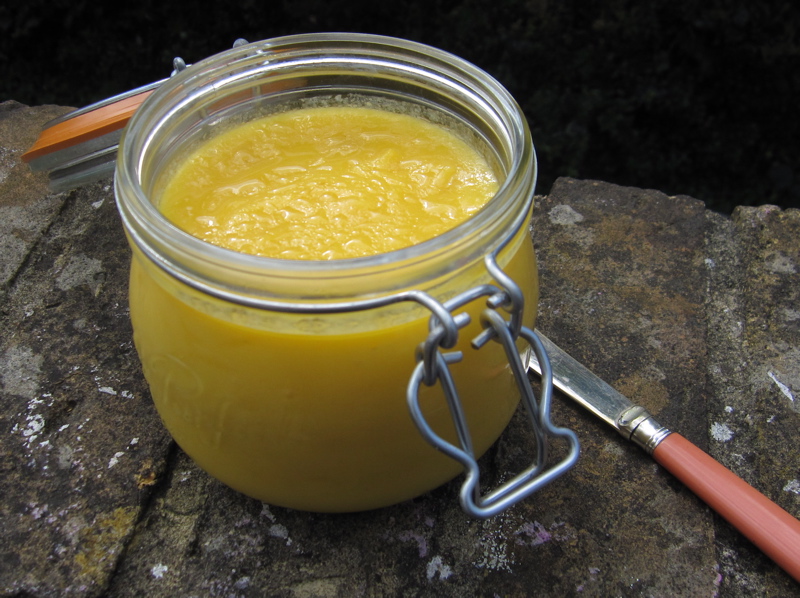
I expected it would be delicious. I did not expect it would be easier than falling off a log to make it. The only remotely fancy thing you need is a bowl over a pan of water and a lemon zester or grater. I followed this recipe from the lovely Rachel Eats as it seemed the most straightforward I could find. I halved the amount of sugar as I loathe sickly sweet citrus things and wanted some sharpness to it. It made about a pint of curd and filled a small Kilner jar.

Start by sterilising your jars in the oven. This is very important. Then get down to zesting and juicing your lemons as your (unsalted) butter melts above the water. Revel in the citrussy spell of summer now infusing your kitchen as you go. Add the lemon to the butter and put in as much sugar as you choose and make sure it is all melted. Double check the water isn’t boiling under the bowl and things aren’t too hot and then add in your eggs, whisking firmly and making sure nothing scrambles and then cook it out until it looks thick and opaque. Resist the temptation to stick your finger in there. It’s hot and you need to be fussy about good preserve hygiene.

Pour into your sterilised jar promptly, close the Kilner jar or cover with a lid and leave to cool. Scrape the bowl out and lick the spatula with unreserved glee. This stuff is amazing. Light, yet buttery with an utterly moreish tingle of lemon. You’ll be hard pushed to walk past the jar without dipping into it.

Dollop it on bread or Ryvita with a base of cream or curd cheese. Perk up your porridge with it. Stir it into yoghurt for a luxury dessert. Ripple it through ice cream. Give crepes a new lease of life. Take your lemon drizzle cake up a notch. Fill lemon poppyseed muffins with it. Eat it off the spoon out of the jar. Try to resist the urge to turn everything you come across into curd, even though you imagine grapefruit and passion fruit would both be sensational with the sharpness and sweetness that a good curd has. Make friends and influence people with jars of this when they invite you for instead of a mediocre bottle of wine from the corner shop. The possibilities are endless. But just make sure you make it immediately…

Homemade Buffalo Curd Cheese…

I’m going to confess something. You’ll either nod sagely at my bravery or recoil in horror and never speak to me again. I’m just not that into cheese…

That’s not to say I don’t ever eat it. I’m partial to a nice slice of Jarlsberg (the holes make it taste better). I keep Parmesan in the house to add some extra umami to everything. And I’ll eat cheese at other people’s houses, but I never think to buy it and I never crave it. It just doesn’t tickle my fancy the same way a nice salami does. So I’m as surprised as you are that I made my own cheese last night.

My eye was caught by Hugh Fearnley Whittingstall’s column in the Guardian the other week explaining that making certain types of cheese at home is a walk in the park. I imagine cheese to be a combination of dairy and witchcraft so this intrigued me. And then I happened to come across a bottle of rennet in Waitrose* the very next day and the spell was cast. I was going to make my own curd cheese!

It is ridiculously simple. You need some non-homogenised milk, some rennet, a pinch of salt and some muslin or ahem, cheesecloth and then you can get going with a few small pieces of attention to detail. You should be able to get non-homogenised milk at a Farmers’ Market but if you want to do raw or unpasteurised milk for whatever reason, then source yours through Duchy Originals at most major supermarkets or try some of the suggestions here. And while you’re at the supermarket, follow this excellent tip from the comments on the original article and pick up a pack of muslin squares from the baby aisle. Much larger than the trendy facecloths around, you’ll get about 5 for a fiver and can use them for cheese making or the forthcoming preserves season. Just iron before use to sterilise it.

I was using raw buffalo milk from Alham Wood Farms and I was surprised to see just how creamy it looked in colour and texture. Much more like the milk when I was a kid and most appetising looking. I heated it to 38° with the aid of a thermometer and then added the rennet. I think I used a touch too much, around a quarter of a teaspoon to a pint of milk, but a little bit extra splashed in so I suggest you measure carefully and not above the milk itself if your hand isn’t too steady. I stirred it in well and then left it for 15 minutes to separate into curds and whey while I got on with a batch of lemon curd.

And when I came back, it really was like magic. What had been thick creamy milk was now a slightly unappealing layer of watery liquid and something that did look quite cheese like already. I scooped the curds out with a slotted spoon into the muslin and tied onto the kitchen tap to drain and set for around three hours, dispensing with the whey completely. This is all you need to do. I won’t judge you though if like me you keep going in and staring at it as if hoping to catch a glimpse of the alchemy as it happens.

About three hours later, when I could wait no more, I unwrapped my little milky miracle. And it looked like real, honest to goodness cheese! Possibly a little bit firmer than it was meant to be due to the extra splash of rennet, it looked like cottage cheese with the firmness of mozzarella. I served it crumbled on some green lentils and homegrown tomatoes and it was stunning. Slightly bouncy, with a touch of saltiness while rich and creamy, it turned some placid pulses into something rather racy as it melted slightly and soaked up the juice from the tomatoes.

I couldn’t get over how delicious it was and how unlike the shop bought equivalent in flavour and depth. That’s probably the buffalo milk but I like to think it’s my natural cheesemaking skills. On an effort to taste ratio, it scores maximum points. I enjoyed it so much I had exactly the same dinner the next night as well and probably would have done so a third night had I not run out of cheese. Had I been able to get my hands on some more milk, I’d have made more and served it on my favourite black pepper infused crackers from Ryvita. I might even have remembered to photograph the meal instead of gorging myself. I think it’s safe to say I finally get the cheese obsession. I’ve come over the dark side of dairy…

*which happened to be vegetarian on closer inspection.

Meatball stuffed tomatoes

There are somethings I never tire of and could eat for all eternity and one of those things is meatballs. I just adore them. Served with spaghetti, stuffed into a sandwich, as a canapé or just on their own, I can’t get enough of them. I usually use Allegra McEvedy’s failsafe recipe from the first Leon cookbook, but as the sun slowly came out over London a few weeks ago, I fancied something lighter and more summery. A chance encounter with some veal mince at Waitrose helped focus the mind and the next thing I knew, I had a plateful of veal, black olive and parmesan meatballs chilling in the fridge.

Pan-fried until well sealed and then steamed with stock until fully cooked through, I served them with some grilled courgettes and the pan juices for a treat of a Friday night dinner after a long week. And they were good. The sweet meatiness of the veal was enhanced utterly by the umaminess of the parmesan and the olives. I scraped the plate clean in record time and even recommended the combo to the little loaf on Twitter. But something was missing. It needed something to take it from good to amazing.

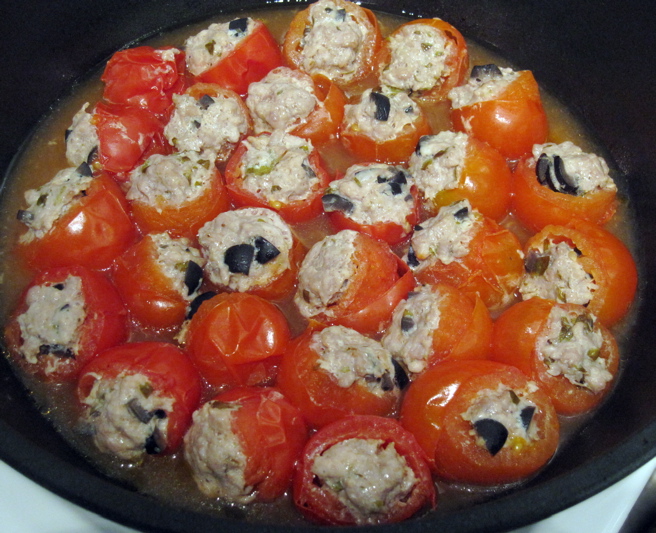
It had to be tomatoes. The July sun and heavy rains of the past few months mean that everything is better with a British tomato right now. Bursting with flavour and warmed up naturally by the flickering sun, they add a note to every dish that lifts it beyond just good. But even having decided on the welcome addition of tomatoes, it still needed something beyond just a sauce. And flicking through some stored up summer recipes, I saw an idea for stuffed beef tomatoes and it all fell into place. Meatball stuffed cherry tomatoes…

As I’ve mentioned before, my life is never too short to stuff anything. Not when everything is more delicious filled with something else. Taking the tops off and scooping out the middles of the cherry tomatoes is in fact no more time consuming than rolling individual meatballs and chilling them into shape. It’s almost as relaxing in fact.

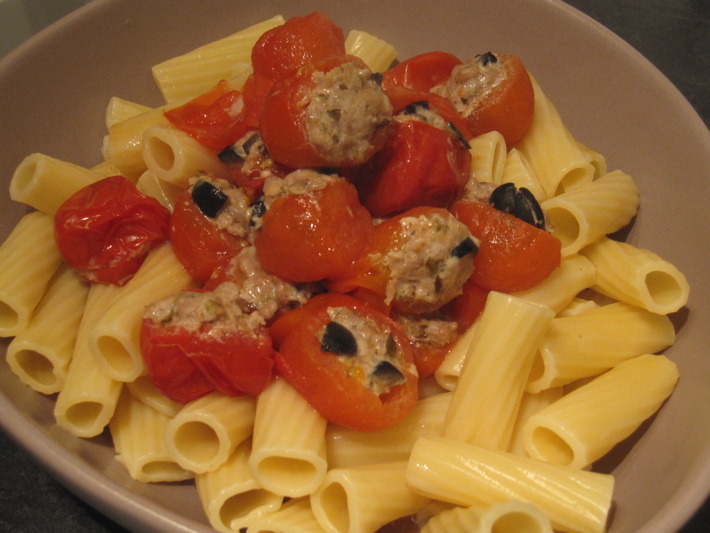
I used about 200g of veal mince, a handful of fresh oregano, about 75g of parmesan and about ten black olives finely chopped and bound together with an egg yolk. I didn’t bother with the usual milk soaked breadcrumbs as I didn’t need the mixture to form such distinct shapes and then I stuffed the tomatoes nice and full. They then got baked for around 35 minutes until soft and collapsed and intensely tomatoey. This was longer than I thought they’d need and when I checked them about 20 minutes in, I added a splash of tomato juice to help steam them quicker. I then served them along with the pan juices on a big plate of pasta.

And they had gone up a notch from tasty to terrific. The tomato was exactly what they needed to set off the flavours perfectly and despite my intentions to only have half the meatballs for dinner, I found myself wolfing down the other portion immediately because let’s face it, there was never really any chance of me saying no to two of my favourite things combined. I enjoyed every single scrap and wished I had twice as many. I did miss the sticky cruncy crust that you get on a fried meatball, but I might just put them in upside down, pan sear them and go from there in future. But really these are the perfect summer supper. Stuff one immediately!

Veda Bread Ice Cream

July is a hot month back home in Belfast. Not especially due to the weather, but because of the slightly heightened feeling on the streets due to the Orange Order marches held in what is known as the Twelfth Fortnight. This was the traditional summer holiday for the shipyard workers in the city and a chance to hark back and remember Catholics and Protestants knocking the pan out of each other at the Battle of the Boyne in 1690. For those of us who don’t enjoy some light civil disobedience, it’s a good time to potter around at home doing all those things you’d sort of meant to do all year since you can’t really go out. Or ignore them completely and spend time watching box-sets and eating ice cream instead…

Feeling oddly left out here in London, I thought I would try and join in with a ice cream recipe with a taste of home. I’ve been wanting to make a traditional brown bread ice cream since I got my ice cream maker earlier this year, but the arrival of my mother on the week of the Twelfth with every Northern Irish exile’s request in the shape of a loaf of Veda bread, meant I decided to give it an Ulster twist and use Veda instead.

A dark delicious slightly sticky (non-fruited) malt bread, Veda makes the best toast in the world, marrying together with butter like nobody’s business. Adding sugar to bring out the natural sweetness and crisping it up with butter is what my life has been missing up until now. Using this recipe by David Lebovitz, I crumbled the Veda into smallish pieces, fried off in butter and a good unrefined caster sugar and then toasted in the oven for about 30 minutes or until I had clusters of crispy, sticky, malty heaven that were so good, I could have skipped the ice cream and just eaten them alone.

But since I had promised ice cream, I made ice cream. The recipe uses a basic custard, but with the addition of cream cheese to stop it all being just too sweet. This is much more faffy, needing a third bowl, more counter space, a sieve, a whisk and more potential for the custard to curdle as it needs to be hotter to melt the cream cheese, so in future, I don’t think I’ll bother with this addition. Otherwise, it was all pretty straightforward.

I gave this ice cream a bit of a Brixton twist and added a slug of dark rum, some vanilla and then stirred the caramalised crisped up Veda into the churned mixture about five minutes before the end. Because the Veda is stickier and maltier than regular brown bread, the crumbs clumped up more and made huge nuggets of crispiness. Fearing that I would either break my teeth or the machine, I blitzed them in the blender to make them more crumb like. Everything then went in the freezer for a couple of hours to firm up and create hands down the finest ice cream ever created.

Creamy beyond belief but crunchy and chewy due to the crisped up bread crumbs and with a slightly grown up flavour from the rum, this was just magnificient. Rich with butter and with a gorgeous toffee feel, I defy you not to fall in love with this amazing ice cream and want to sneak a spoonful everytime you pass the freezer. It was declared even better than the Northern Irish ice cream institution that is Maud’s Pooh Bear Delight*.

You need to make this ice cream immediately. If you don’t have access to Norn Iron’s best kept secret, try it with some Soreen or a really good brown bread instead. This is what breadcrumbs aspire to being…

*Youse know it’d be belter in a poke.