Homemade Vanilla Extract

IMG_4142

I’ve been meaning to post this recipe for a while as it’s completely changed my cooking and baking habits and after such a busy week, it’s nice to to feature something simple and slow to develop. More like musing than cooking, it’s perfect after a fortnight that’s seen me submit the manuscript on the slow cooker book to Ebury, feature in the Metro and finish the three days of photography on the book, seeing my creations come to life in a way I hadn’t envisioned when I was eating them.

It was a real pleasure to collaborate with Mister North this week as he is the photographer for the book. My writing and his photography was enhanced by the wonderful food styling of Olia Hercules who was a real joy to work with. It was also great fun spending time with my lovely editor Laura Higginson. And of course having the excuse to eat all the food from the shoot. Very different to my previous life working in fashion…

I felt a pang when my borrowed slow cookers went back to the publisher this week and I comforted myself by pot roasting a chicken in my own one and baking myself a cake which is where the vanilla extract came in. A splash of vanilla in any cake, custard or dessert tends to lift it from good to glorious, but there’s no way round it, vanilla extract is expensive and I usually find myself rationing it like fine perfume.

However just before Christmas 2012 whilst perusing Ebay, I discovered that you can buy vanilla pods for a fantastic prices on there. Scoring 32 of them for £8, I assumed they’d at least have a hint of vanilla and look nice tied to Christmas presents or nestled into sugar. When they arrived however I could smell the rich sweet scent of vanilla through the package before I’d opened it. Unwrapped, each pod was sticky soft and left a sprinkle of vanilla seeds behind on your fingers like fairy dust. And that was just the A Grade pods. They go up to AAAAA in quality.

As with any excess of anything, I thought I’d stick them in some booze and see what happened. Three pods and a smidge of sugar went into some vodka for the perfect festive tipple. I also had a cheap bottle of dark rum left over from a mojito night and wondered what would happen if I put 10 in there and left it in the dark for three months? Vanilla extract that will knock your socks off and make those bottles of Nielsen Massey seem like The Body Shop oil you dabbed behind your ears at the age of twelve.

Rich chestnut brown, spicy sweet and utterly heady, this extract was amazing. The seeds melt into it to make it thick and glossy and the flavour is so intense you need half the amount you normally do. Considering those posh bottles retail at £4.70 per 100ml or around £47 per litre, making your own makes financial sense too. I made around 750ml of extract in December 2012 and gave small bottles of it as gifts, keeping some for myself. I’ve tested two cookbooks since then, baked myself silly and still have 150ml left. My vanilla beans are also currently brewing a second batch too which is just as intensely flavoured meaning I will probably never need buy commercial stuff again.

Homemade Vanilla Extract (makes 700ml)

  • 700ml dark rum
  • 10 vanilla pods

So simple to make. Simply split your pods so that they are opened out and flattened slightly. Pop them into a clean Kilner jar and cover with dark rum. I used Basics for this. Put somewhere dark and cool for at least 3 months. Shake the jar every few days to help infuse it all.

After 3 months, decant around 50ml into a small bottle and use. Leave the rest to keep infusing for up 9 months or decant it to give as gifts. I put half a pod into each small bottle to keep the infusion going and look pretty. I don’t bother to strain the extract as the seeds look beautiful to me.

Friends I gave this to asked for more for Christmas 2013 and I do actually have some waiting to be delivered! If you are a baker, this is a brilliant way to make the most of vanilla in your kitchen. You will never think of vanilla as bland or flavourless again once you’ve tasted this.
 

St Patrick’s Day Okonomiyaki

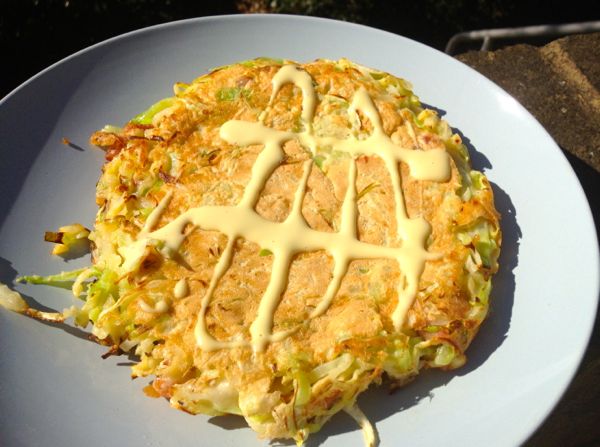
okonomiyakiI have no idea what the adjective for Irish-Japanese fusion food is, but we need one. Both Ireland and Japan love a bit of cabbage and seaweed (and whiskey). Their cuisines have more in common than you’d think.

This idea came from Mister North who having seen the design for Recipes from Brixton Village on mentions the recipes he is most excited by as he reads. Okonomiyaki is a Japanese pancake made primarily from cabbage, but the number of spring onions (or more accurately scallions) in it made him think it overlapped with the Northern Irish delicacy of champ.

Since okonomiyaki means ‘as you like it’ I wondered if I could make a champ based version for St Patrick’s Day. I have grown to love okonomiyaki after Motoko Priestman opened Okan in Brixton Village, dishing up a variety of okonomiyaki in the Osaka style. My favourite is the mochi and cheese, but this is a little like choosing your favourite pet or child as they are all fabulous in their own way.

There are few more filling and healthy lunches than an okonomiyaki making it perfect for fortifying one’s self if you’ve had a few swallies the night before. I’ve gone stereotypically Irish here with bacon, cabbage and scallions. Annoyingly I was seaweed-less but some nori or dulse on top would have been perfect. I also varied from the usual topping of mayonnaise to use a creamy buttermilk dressing and omitted the typical okonomiyaki or ‘burnt sauce’ that tastes like ketchup combined with HP sauce.

St Patrick’s Day Okonomiyaki (adapted from Recipes from Brixton Village)

Serves 1

  • 50g pancetta or bacon cubes
  • 150g sweetheart cabbage, shredded finely
  • 2 scallions, chopped
  • 1 egg, beaten
  • 50g potato, grated
  • 50g plain flour
  • pinch sea salt
  • pinch brown sugar
  • 1 teaspoon baking powder
  • 50-75ml water
  • 1 egg
  • 1 tablespoon oil
  • 1 tablespoon buttermilk or yoghurt
  • 1 teaspoon mayonnaise
  • salt and pepper
  • seaweed flakes to serve

Okonomiyaki usually has toppings like thinly sliced squid, belly pork, prawns or cheese which are cooked as the pancake itself cooks, but because I only had thick cubes of bacon, I’ve cooked them first as they might still have been raw otherwise. Pan fry until crisp round the edges.

Shred the cabbage in very thin slices and then break it up into individual shreds with your hands into a large bowl. Add the cooked bacon and any fat from the pan. Thinly slice the scallions and add in. Beat the egg into it all. Set aside.

Take a skillet or heavy pan and heat on a high heat for about 3-4 minutes while you make the batter. Don’t add the oil at this point.

Prepare your batter by grating the potato in a bowl and adding the flour, sugar, salt and baking powder. Crack the egg into it and beat it in. Add enough of the water to make the whole thing a soft and pourable batter. Stir quickly but without overmixing. Pour 3/4s of the batter into the cabbage and bacon and mix lightly. Set the rest of the batter aside.

Add the oil in the pan and turn it down to a medium-low heat. Put the cabbage batter into the pan, smoothing it out from a heap to a thick pancake. Don’t push it right down to knock the air out. Cook the okonomiyaki for about 3 minutes.

Pour the remaining batter on top of it all. This would usually help seal the toppings into the okonomiyaki. Carefully flip the okonomiyaki over and cook on the other side for about 2-3 minutes. The base of the okonomiyaki will be quite dark from the hot pan but you want the top a bit paler.

Serve on a plate, paler side up and drizzle with the buttermilk dressing. Sprinkle with the seaweed flakes and a few spare scallion slices if you have them. Eat immediately and experience the perfect cross between a pancake, boxty and a potato farl. You may fancy a wee stout on the side. I had good strong tea instead.

Recipes from Brixton Village - front cover

Recipes from Brixton Village will be published on May 22nd 2014 from independent bookshops and the Kitchen Press website. It can be pre-ordered now for delivery as soon as it’s published.

Manchester Pudding

manchester puddingLike everyone else in the world, I was planning on making pancakes this week. But being one of them there fancy food blogger types, I was going to do one version in advance to be published today, making me look smart and then have the standard ones tonight for tea as well.

My forward thinking/gluttony was sabotaged by the fact my non stick pan has given up the ghost. A omelette last week was unspeakable and yesterday’s attempt at boxty taught me something can be burnt and gluey at the same time. I wouldn’t dare try and flip anything in it today while I await my new cast iron pan from Sainsbury’s to arrive (their whole cast iron range is on offer currently.)

Instead I thought of other ways to use up the eggs I’d bought specially and my mind went back to this recipe for Manchester Pudding I’ve bookmarked ages ago. A rich custard is bulked up with breadcrumbs and baked and then topped with jam and meringue, it is the perfect pud when you have some spare eggs.

I made mine in the slow cooker as originally I thought I might use the recipe for the book but as the custards were baking, I counted my recipes and realised I’ve actually got more than 200 recipes and decided to blog it instead. I am totally loving the slow cooker as a giant bain marie. It’s so much easier than trying to lift trays of boiling water out of the oven and the steaming effect seems to make custards even creamier. In fact, it’s turned me from a custard catastrophe to to a custard champion. Perfect.

Manchester Pudding  (adapted from Simon Rimmer’s recipe here)

(serves 4-6)

  • 600ml or 1 pint whole milk
  • 1 lemon, grated
  •  few drops almond essence (optional)
  • 25g butter
  • 25g sugar
  • 100g white breadcrumbs
  • 6 egg yolks, beaten
  • 4 egg whites
  • 200g caster sugar
  • 1 teaspoon vinegar
  • 25g raspberry jam

I used individual ramekins for mine but you could use one large dish to make this. If you are using the slow cooker, check to see which fits best before you get to the stage of pouring boiling water round it.

Pour the milk into a saucepan and warm it gently on a medium heat. Don’t let it boil. Grate the lemon zest into the milk and allow the flavours to infuse. I added some bitter almond essence as well at this stage but this is non traditional and optional. Set the milk aside to cool for 10 minutes.

Add the butter and the sugar to the milk while bringing it back to a simmer. Stir in the breadcrumbs and combine well, allowing them to soak up some of the milk. Take the pan off the direct heat. Beat the egg yolks well in a small bowl and then add a splash of the hot milk and stir it well. This tempers the egg yolks and stop them from splitting or scrambling.

Pour the tempered yolks into the milk and stir it well. This creates the custard. Pour it into the ramekins or dish. Set it into the slow cooker crock. Pour boiling water carefully into the crock so it comes halfway up the sides. Put the lid on it and bake the custards for 30 minutes.

If you don’t have a slow cooker, set the dishes in deep roasting tin. Put the roasting tin in the oven at 180ºC and pour boiling water into it so it comes half way up the side of it. Bake the custards for 30 minutes.

While the custards cook, make your meringue. Put the egg whites in a clean grease free bowl and beat with an electric whisk for 1-2 minutes until they are frothy. Start adding the sugar gradually, beating all the while. This will create a lovely glossy meringue. Beat for about 5 minutes until the egg whites are in soft peaks and you can do the whole turn the bowl upside down thing. Stir the vinegar in. Spoon the meringue into a piping bag.

Check on your custards. They should be set but still wobbling. Add a dollop of jam and then pipe meringue on top the custard. This is much easier to do in the slow cooker where all you have to do is lift the lid off and lean over the crock. You’ll need to take the roasting tin out of the oven completely to do this.

Replace the lid of the slow cooker and allow the meringue to cook for 12 minutes or turn the oven up to 240ºC and bake the meringue for 8-10 minutes. The slow cooker meringue will be set but soft and sticky like the chewy bit in a pavlova or some marshmallow fluff. The baked ones will be crunchy and sticky inside. Finish the slow cooker puddings off under a hot grill for about 1-2 minutes just to give them a little colour.

Serve the puddings immediately or allow to cool. The slow cooker one will keep for up to 2 days in advance in the fridge. I love the soft gooey meringue combined with the thick creamy custard and don’t feel I’m missing out on pancakes at all with one of these left for dinner tonight!


Fried Porridge

fried porridgeI am probably constructed half and half from oats and potatoes if you consider my Scottish and Irish heritage. Childhood days started with oats in the form of porridge and ended with spuds for dinner very often. Both are still mainstays of my table even now.

Porridge is surprisingly controversial. People have strong feeling about the type of oat used, the ratio of water and milk and whether salt or sweet and they stick to their guns. I make mine with Flahavans oats if I can get them, using half milk and half water and I add a pinch of salt as the oats cook. This makes it all the right smooth consistency for me without being too creamy and the salt makes it taste much more intense. I then tend to eat mine plain or with some fruit on top if I’m feeling virtuous. Occasionally I have a little drizzle of golden syrup, but I have fairly simple tastes with my porridge.

Others however have magical porridge powers involving spurtles and things like steel cut or pinhead oats and take it all very seriously. They also mention something about a porridge drawer which I was reminded of recently when talking to Caitríona at Wholesome Ireland. This would have been a small section in a dresser where the leftover breakfast porridge was poured and allowed to cool and set before being cut into slices. Children ate when they came home from school or men took it as their ‘piece’ for lunch. A forerunner of the flapjack or the cereal bar basically.

Apparently the porridge drawer was common in both Ireland and Scotland, but I’ve never seen one or eaten from one. Curiosity piqued I asked my dad who grew up on the west coast of Scotland and he remembers the sliced ‘purritch’ being fried up in bacon fat or butter and served for dinner. I love the idea of being able to go savoury or sweet here but I’ve tempted go sweet as I had some leftover spiced butter from making hot buttered rum at Christmas. Read more

Cornflake Tart


cornflak c-upMister North and I must be very rare specimens indeed because we went to a primary school that served excellent school dinners. The only thing I remember hating was the cabbage which they served minced and overcooked. Otherwise, I have very fond memories of eating lunch at school. There were proper hand cut twice cooked chips that I still dream about, Irish stew and of course, proper puddings with custard to match.

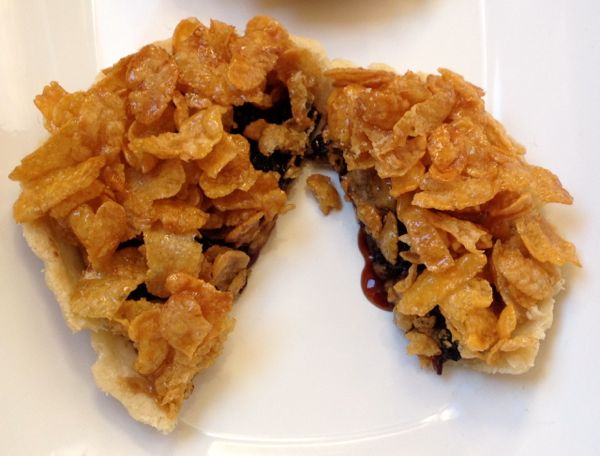
Most people liked the chocolate sponge and custard best, but my favourite was the cornflake pudding. A slab of crumbly pastry topped with red jam and sweet crunchy cornflakes on top, served with simple yellow custard. I last ate it when I was no more than 11 years old and I’ve spent years trying to track a recipe for it down. I’ve asked many people if they remembered it and in between triggering memories of Spam fritters, people have either rhapsodised about it or looked blank.

I was starting to think it was a Northern Irish thing when eventually I came across something about on Mumsnet and realised it was actually very simple to make and just the thing to use up some spare pastry. But would it taste the same or was I about to destroy a treasured childhood memory like the time I rewatched Button Moon and realised it was just an actual button?

Cornflake Tarts (makes 4 individual sized tarts)

For the pastry:

  • 175g plain flour
  • 45g cold cubed butter
  • 40g lard
  • 2-3 tablespoons cold water

For the topping:

  • 150g raspberry jam
  • 30g unsalted butter
  • 25g sugar
  • 1 tablespoon golden syrup
  • 75g cornflakes

Start by making your pastry. I like the incredible shortness you get using half lard and half butter (plus it’s much cheaper too) but if you prefer, you can use all butter.

Put the flour in a large bowl and rub the lard and butter through it. I think I’ve mentioned before that my pastry always shrinks massively in the tin and some plaintive wailing about it to a friend, established that I was rubbing my fat into the flour too much and over working the pastry. So don’t be afraid to leave some lumps of fat in this instead of trying to get only tiny crumbs.

Add two tablespoons of ice cold water (I’ve also been using too much water because overworking the pastry had made it dry) and bring it all together neatly in a ball without too much fiddling and poking. Chill it in the fridge for 30 minutes.

When you are ready, roll it out and line the tart tins. I had 4 small ones but this will also do a 23cm tart tin nicely. Don’t trim all the pastry off the edges, but leave some overhang and then chill again for 15-20 minutes while the oven heats up to 180ºC.

Line the pastry with greaseproof paper and fill it with rice or dried beans and blind bake for 12 minutes. In the meantime, heat together the butter, sugar and golden syrup in a saucepan until it is all melted and runny. Put the cornflakes in a large bowl and pour the butter and syrup over them. Gently stir it through until they are all coated. Set aside.

Now put the jam into the same saucepan and warm it through too. I used some homemade stuff, but a decent shop bought one will do. Try not to use indeterminate ‘red jam’ like the school dinner version did. It’s better with a bit of flavour and texture.

Take the blind baked tarts out of the oven. Remove the baking beans or rice and prick the base of the pastry several times with a fork. Trim the edges of the tarts with a sharp knife and then spread the warmed jam over all the base of the tarts. Sprinkle the cornflake mixture over the top of the jam, making sure you don’t skimp.

Bake the tarts for another 8 minutes and then allow to cool for at least 10 minutes to give the cornflakes a proper crunch. You’ll probably want to serve this with a generous pouring of custard. I can’t help you here as custard is my nemesis and my most recent attempt at heating some fresh stuff from Sainsbury’s ended with me curdling it!

I ate my tarts just as they were and they tasted exactly like I remember, but actually slightly better for not being made with marge and cheap jam or washed down with tepid water in a metal beaker! I am now convinced Proust was really on about cornflake tart rather than madeleines…

What about you? Do you have a school dinner memory that’s surprisingly good or was it all crimes against food?