
Fodmap Friendly Chicken Liver Pate

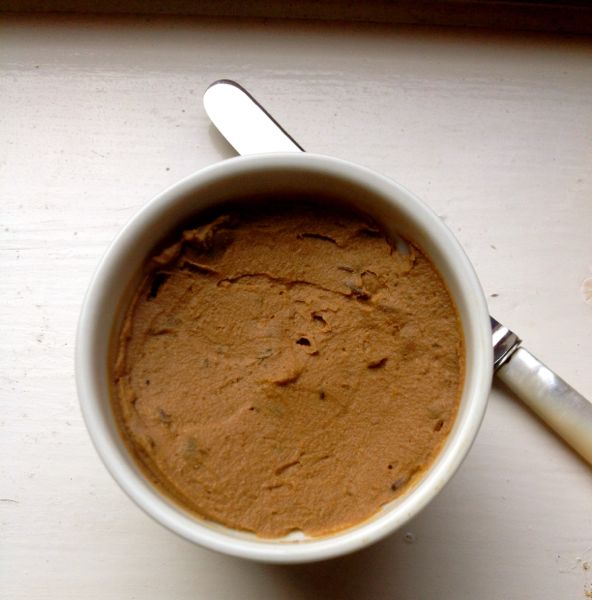
pateA recent health glitch involving the gallbladder I had removed when I was 18 means I’ve been stuck in the house recuperating for the last week or so. In between Googling to see if I need to see a gastroenterologist or an exorcist, I’ve almost been enjoying being round the house so much. The last few months have been a whirlwind of activity and it’s oddly comforting to have the chance to start doing more cooking than I’ve managed recently.

Coinciding with the weather becoming distinctly autumnal, the slow cooker has come back into action for more than just a whole chicken or a shoulder of pork and I’ve been enjoying de-fodmapping recipes from Slow Cooked and rediscovering some old favourites. I’ve also been meal planning again rather just eating variations of meat, rice and spinach for dinner every night in a fodmap inspired food funk.

I’ve managed to roast a chicken, make soup from it and whip up a batch of ragu that filled the freezer and made some Tuesday night cannelloni so far in the slow cooker. I felt extremely organised in between naps until I realised I’d managed to forget to put the chicken livers I’d defrosted into the ragu…

Armed with a tub of previously frozen offal and the memory of having to chuck a bag of mince in the bin the previous week because I’d been too ill to eat it, I couldn’t bring myself to throw more food out and my mind turned to pate.

I love love love pate. One of my great comfort foods has always been pate on toast. It’s a thing of joy to have a good pate filled with duck or chicken livers whether you go for rugged and chunky or smooth as silk. I even like the ones of more dubious provenance piled inch thick on toasted cheap white bread. Pate is my jam.

Except that all pate one can buy contains alliums. It’s a festival of shallots/garlic/onions/delete as applicable and thus out of the reach of my sticky little paws now. Even my own slow cooker version uses shallot. And just to add annoyance, there is often dried fruit too. I needed to adapt it but not lose flavour.

I decided to go creative and try to use up leftovers. A half drunk bottle of red wine went over the chicken livers to marinate them and depth. Since I’m supposed to watching my fat intake so as not stress my gallbladder area out and I’m not up to going out to buy double cream, I roasted some pumpkin with caraway seeds and fresh thyme to use instead. I browned some butter and fried the livers lightly in it.

Everything got blitzed together with a splash of brandy and it all went into the slow cooker in ramekins. Once cooked and cooled, I covered the tops of the ramekins with clarified butter and froze the ramekins inside a bag. Each one takes about an hour to defrost so I can have no fuss, low energy allium free lunches with ease and extra smugness.

Fodmap Friendly Chicken Liver Pate (serves 4)
  • 250g chicken livers
  • 100ml red wine
  • 100g pumpkin (or sweet potato if not sensitive)
  • 150g butter (see below for instructions)
  • 1 tablespoon caraway seeds
  • 4 sprigs fresh thyme
  • salt and pepper to taste
  • 1 tablespoon brandy or red wine
  • dash lemon juice

Whether your chicken livers are fresh or frozen, it’s best to gently rinse them and remove any discoloured patches. Then carefully remove the gallbladders that are attached. These make the pate bitter otherwise. The irony of doing this to a chicken while my body was reacting to someone doing it to me was not lost on me. At least they gave me the good drugs at the same time.

Put the chicken livers in a non metallic bowl and put the red wine over them. Marinate for at least an hour or preferably overnight. This is the one time it’s appropriate to soak your liver in red wine.

While the livers do their thing, roast your pumpkin (or sweet potato or butternut squash if non fodmapping). I buy wedges of pumpkin in Brixton market and roast them chopped into chunks with the skin still on and then peel it off when it cooked.

You’re going to go through the cooking life cycle of butter next. Put all 150g in the pan, chopped into small cubes and melt it gently. Simmer it until it starts to foam and reduce and when the foaming dies down and it stops moving, pour half the butter through a sieve that you’ve lined with some muslin or a clean cloth into a bowl. The clear butter you collect is your clarified butter. Set aside until needed.

Then brown the remaining butter. Keep stirring it over a slightly higher heat and let it heat until the butter foams furiously again and turns brown and smells nutty but not burned. Watch it closely and take it off the heat at this point, pouring it into a clean bowl to cool slightly. You need to do this even though you’re going to cook in it because otherwise it will burn when you heat it again.

Heat the browned butter in a frying pan on a medium heat and when it bubbles slightly, add the chicken livers and the fresh thyme and caraway seeds. Keeping the livers moving the whole time, cook it all for 2 minutes. It’s fine if they are still pink in the middle.

Take the pan off the heat and tip the contents into a large bowl along with the cooking juices, add the pumpkin and lemon juice and with a handblender, blitz it all until it is smooth and silky looking. Add the splash of brandy and put into ramekins.

Set these in the slow cooker crock and fill it halfway with boiling water and put the lid on and cook on low for 2 hours. Or set them into a roasting tin, fill halfway with water and bake in the oven at 140℃ for 45 minutes. Either way when cooked, lift out of the water and allow them to cool.

Pour enough of your clarified butter over each cooled ramekin of pate to cover the surface well. You may need to melt it again first. You don’t want it an inch thick but enough to be noticeable. Allow it to cool and thicken. Pop the ramekins of pate in a freezer bag and seal. Freeze for up to 3 months or eat the pate from the fridge within 3 days.

I was delighted that I froze three quarters of my pate because when I started eating it in front of Don’t Tell The Bride that evening, it was so beautifully smooth and delicious I could have worked my way through the whole lot in one sitting. This way I got to feel smug that I was pacing myself and lying in bed eating pate instead of letting a man organise me a wedding I would hate. What a perfect evening.


Homemade Mayonnaise

mayonnaiseWhen I moved to London in the early 2000s, it was a mythical land where you could afford the rent to live in Zone 1 and had to actually go out of your way to find a branch of Pret a Manger. Clutching a crayfish and rocket sarnie at lunch in those was a statement (mainly that you weren’t doing Atkins) but also that you were in some way young and trendy.

That feeling lasted about six months and then I realised that Pret’s utter obsession with mayonnaise was ruining my life. The occasional sandwich I bought from there was limp with the stuff. They applied it to unsuspecting bread the way estate agents apply gel to their hair. I didn’t just stop eating in Pret; I stopped eating mayonnaise completely.

I suddenly, after a childhood spent smuggling tubes of lemon juiced spiked Continental stuff home from Italy and eating potato salad at any opportunity, couldn’t even look at the stuff. Where only ‘low fat’ mayonnaise had seemed to have that shudderingly globular appearance, all mayonnaise started to resemble something as slick and oily as Vaseline.

I couldn’t bear it. I pitched myself firmly in team salad cream and only ventured back to Pret when they made the Jamon Buerre easier to get. My potato salad went vinaigrette based. And then on August Bank Holiday I woke up and craved mayonnaise so badly I almost made the effort to go out in the rain to get some.

It is testament to my combination of dedication to not getting dressed and agoraphobia that I decided it would actually be easier to just make my own homemade version for the first time. I had eggs, I had oil, I had a whisk and I had nothing better to do.

Turns out making it from scratch is quicker than trying to find a clean bra, locate your purse and find out where Tesco Express have moved everything to this time. It’s also easier and more fulfilling in every possible way. I had no fear of it splitting on me having heard a little trick from my friend Adriana about adding a teaspoon of water to the egg yolk first to stabilise it all (this article explains why but the video autoplays.)

I used some beautiful golden rapeseed oil from Broighter Gold from Northern Ireland to add some summer feel to my grey kitchen and then added dill, capers and anchovies. I ate it dolloped onto homemade oven chips and congratulated myself heartily on my life choices. The rest went into the most magnificient egg sandwich I’ve ever eaten to keep the Bank Holiday joy alive on a Tuesday.

Homemade Mayonnaise (makes about a cupful)

  • 1 egg yolk
  • pinch sea salt
  • 1 teaspoon water
  • 45ml olive or rapeseed or garlic infused oil
  • 75ml flavourless oil such as sunflower oil
  • flavourings of choice such as lemon, mustard, fresh herbs etc

This is incredibly easy and much less hard work than you’d expect. I didn’t actually find it tiring to make and I’ve got spectacularly low energy levels. I wanted a mix of flavoured oil and something neutral so have gone for the balance above to allow you to add more flavours in as desired. Garlic infused oil is fodmap friendly so this a great way to add garlickiness to meals.

Separate your egg and put the yolk into a deep bowl. Beat lightly with a balloon whisk and add a pinch of salt. Add exactly a teaspoon of cold water and beat it in slightly.

Mix your two oils together in a small jug and start off by dripping a few drops of them into the egg yolk while beating steadily. Almost instantly you get a foreshadowing of what will happen and it starts to emulsify. Beat until the oil is combined and then add a drip or two more, repeating three of four times.

Start to add the oil a little more generously at this point as the mayonnaise goes from cautious baby steps to all singing all dancing emulsifying. It literally comes together into a smooth glossy miracle. It’s like comparing an Arab horse to the Shetland pony of commercial brands like Hellmans.

Leave it as it is or add a squirt of lemon and a pinch of mustard powder if you want a good basic mayonnaise you could lick off your fingers in joy. Allow your imagination to take over if you want to personalise it to a particular dish or desire. If I can crack making a garlic free harissa paste soon then that’s my next batch of this sorted.

You can scale the amounts up but remember it does involve raw egg so it will only keep for a day or two in the fridge and if you want more, you can just make more. This is the kind of stuff that impresses the hell out of people no matter their condiment of choice!

mayo & chips

Gherkin Soup

gherkin soupI have several loves in my life. Black eyeliner. Slow cookers. Carmex. But my heart really belongs to gherkins. Just say the word to yourself. It’s delightful to utter. It looks comical to write. And you get to decide how deep your relationships with people will be depending how they feel about them in burgers.

I always keep a jar in the house and have to ration myself from crunching through a gherkin every time I open the fridge (and yes, I know pickling preserves them. There’s just more room in there.) I garnish sandwiches with them and add them to salads, but I’ve never cooked with them.

Like most people, by late August, I’m in courgette apathy. Allotmenteers have gluts of them, but for fodmappers like me, this lasts all year as they are one of the few vegetables I can eat.

Staring glumly at a courgette on a chilly August lunchtime, I wondered how I could perk things up a bit. Deciding soup would be more acceptable than turning the heating on, I used a jar of gherkins to add some bite and interest to the whole thing. My Polish friends might clutch their pearls in horror at how inauthentic it all is but it tasted great and made courgettes interesting again.

Gherkin Soup (serves 2)

  • 1 large courgette, grated
  • 1 large potato, grated
  • 1 parmesan rind or 25g grated parmesan
  • 1 anchovy fillet
  • 450ml stock (vegetable or chicken)
  • 100g gherkins, chopped finely
  • 25g fresh dill or parsley, chopped
  • 1 tablespoon sour cream

This is so easy and quick, writing the recipe out as a blogpost definitely took longer than cooking it from scratch (and I’m a speedy writer!)

Peel the potato and grate it and the courgette on the largest hole of a box grater and put into a large saucepan and cover with the stock. Add the anchovy fillet and the parmesan rind if you are using it. I stash mine in the freezer in a Tupperware until needed.

Simmer for about 10 minutes until the veg is soft and the anchovy has dissolved. I’m still working on a homemade fodmap friendly stock as it’s the place I miss the depth of onion the most, but I’m using the Knorr Touch of Taste one from a bottle. It’s onion and chicory fibre free for fodmappers and the least cheap roast chicken crisp flavoured commercial one I’ve found. Stop me if I sound too like Marco Pierre White though…

Fish the parmesan rind out and add in the chopped gherkins. Chuck in the grated parmesan if you’re using it instead and carefully blitz the soup with a stick blender, remembering hot liquids expand.

Add the chopped dill (I went fancy and added the parsley too. Mint would work if you are a dill-phobe) and stir in the sour cream and serve. It’s the perfect late summer soup, all fresh and tangy but warming and soothing at the same time. I’ve made it twice in a week which means my gherkin usage is about to fill my whole recycling bag singlehanded, but who cares when it’s this good?


Coconut Spelt Tart


coconut tart

I have to say, I don’t really get the current coconut craze where it seems to be the new food Messiah du jour. I’m a fructose malabsorber so coconut milk doesn’t agree with me, mainly use coconut oil in the shower rather than cooking with it due to its strong coconut flavour and tend to only drink coconut water when hungover when I don’t mind the mustiness it has.

The one way I really like coconut is desiccated which I think is a throwback to my Northern Irish Proddy background where it crept into all kinds of traybakes and sweet treats promising ‘a taste of paradise‘ in a small grey skied country with small minded views. I love a bit of it on a Fifteen or a raspberry ruffle bar and occasionally inhale a dark chocolate Bounty with indecent speed.

I don’t have a particularly sweet tooth so it takes a lot for a dessert to knock my socks off but the treacle tart I had at the Rochelle Canteen a few months ago was so good I’m still thinking about it. The lightest pastry and butteriest filling, it was dessert perfection in my eyes and I’ve been itching to play around with it since.

I volunteered to bring dessert for book group the other week and needed something that was non wheat, low fodmap, low fructose and without chocolate or caffeine to fit all our dietary requirements and the idea of reworking that treacle tart into a coconut version popped into my head. I’ll leave to the utter brilliant Low Fodmap for Life to pick apart the coconut question for hardcore Fodmappers here and get on with baking.

This recipe is one of the few times you see me pick coconut oil over butter for cooking (even I draw the line at using butter as body moisturiser or hair conditioner though!) I wanted that extra heft of coconut flavour but if you don’t have any, just sub in butter. Please don’t ask me if you can use other liquid sweetners such as honey or agave syrup instead of golden syrup as they are incredibly problematic on the Fodmap diet and I never use them.

Coconut Spelt Tart (makes one 9 inch tart)

For the pastry: (adapted from Dan Lepard’s sweet shortcrust pastry)

  • 250g white spelt flour
  • 50g icing sugar
  • 125g cold butter
  • 2 egg yolks
  • scant tablespoon ice cold water
  • pinch salt

For the tart:

  • 200g desiccated coconut, toasted
  • 125g brown sugar
  • 50ml golden syrup
  • 120ml water
  • 3 tablespoons coconut oil
  • 2 egg yolks
  • 2 egg whites, whipped to soft peaks
  • 1 teaspoon vanilla extract
  • pinch salt

I am not a good pastry maker despite having deathly cold hands. It can sense my fear I think and shrinks away from me. I think I often add too much liquid to it but this Dan Lepard version for sweet shortcrust is the best version I’ve used. (I know it looks like it shrank in the photos, but I actually cut the block I rolled slightly too small.)

Sift the flour into a bowl and add the icing sugar and salt. Cut the cold butter into small pieces and rub into the flour until it disappears. Separate the eggs and beat the yolks with the cold water and beat it into the mix. I use a fork to just combine it and then switch to my hands to bring the pastry together.

It’s quite a soft almost sticky pastry and it needs a serious chill to be able to roll it. I usually put it in the freezer for 10 minutes and then fridge for 30 minutes if I need it then and there, but find it works best chilled overnight. Cut the block of pastry in two and roll one out to fit a 9 inch tart tin and then freeze the lined tin for 15 minutes.

Heat the oven to 180℃ and spread the desiccated coconut out on two lined baking trays and toast it for about 7 minutes. Hover awkwardly by the oven keeping an eye on it as it browns as it goes from slightly tanned to smouldering almost instantly. Take out and allow to cool.

Line your tart tin with foil or baking paper and fill with baking beans or rice and blind bake for 25 minutes. I don’t prick spelt pastry usually as it’s lower gluten and doesn’t seem to like it. I have no idea if there’s science behind this or me just being superstitious, but I’m sticking to it.

Put the brown sugar, coconut oil, golden syrup and water in a saucepan and heat to melt it all together. (If you do it in that order the golden syrup behaves itself nicely on an oiled spoon and cuts down sticky drips in the kitchen.) Add the toasted coconut and allow it to absorb some of the liquid for 2-3 minutes before turning the mix out into a big mixing bowl to cool.

Once it’s not hot to the touch, separate your eggs and add in the yolks along with the vanilla extract and salt and allow to sit for a few minutes. Take the baking beans out of the tart tin and bake it for another 5 minutes to crisp up slightly.

Beat the egg whites with an electric whisk until they are peaked and pillowy and then fold them into the coconut mixture. Pour the coconut filling straight into the tart tin and bake for 15 minutes until set in the middle. You might have a tiny bit of coconut mix that doesn’t fit the tin but it can be baked pastry free in a ramekin if you can want to serve a gluten free version of the dessert.

Take the tart out before it looks dry and don’t worry if there is a hint of moisture to the very middle when you test it with a skewer. It’ll be grand when you come to eat it. Cool on a rack completely. I baked mine the night before and it kept fine wrapped in a tea towel.

Serve in slices with some thick cream or creme fraiche on the side. It’s surprisingly buttery despite using coconut oil and not too sweet compared to some desserts so I liked something slightly lactic on the side as contrast. I was really pleased with how this tart worked out and would definitely make it again. The only time the book group was silent was when they were eating this which I’ll take as a good sign!


Asian Style Chicken Meatballs

chicken meatballs

I think anyone who bought Slow Cooked got a flavour of my love of meatballs. I am delighted to have enabled so many other people too as they are amongst the most popular recipes from it and popular as a summer dish with the slow cooker too.

However sometimes, you want a dinner you can make really quickly without much prior thinking and effort and these Asian style chicken meatballs are a good one for that. I suspect it will take longer for me to write this post than make them…

On the #fodmap diet these days, my two ‘safe’ foods are always chicken and rice and I fall back on them when I cannot risk anything going wrong. I have almost superhuman abilities to eat plain chicken and brown rice but sometimes I need my staples to be jazzed up a bit so I blitzed some leftover rice with raw chicken and all the Asian style flavours in my kitchen and voila!

Bobbed in some homemade chicken broth with courgette, carrot, broccoli and some radish and fresh herbs I had a fodmap friendly dinner that didn’t feel worthy and used up lots of odds and sods. You could chuck any flavourings in that you liked or need using up. If you go Asian inspired, don’t forget to squeeze some lime over it all. I was limeless and it suffered slightly.

This dish also allowed me to try my newest fodmap trick with a julienne peeler. This turns carrots and courgettes etc into ribbons or julienne that makes small amounts of veg go further and bulk meals up when you can’t do much fibre or need to make one lone courgette serve several people to avoid a trip to the shop. I do like a useful kitchen gadget…

Chicken Meatballs (serves 2 if hungry, 4 if decorous)

  • 4 chicken thighs, boned and skinned
  • 150g cooked rice
  • 1 teaspoon shrimp or anchovy paste
  • 1 teaspoon soy sauce (use tamari if avoiding wheat)
  • 1 teaspoon miso paste (if not avoiding barley)
  • 1 teaspoon oil (sesame would be lovely if you have it)
  • 3cm fresh ginger or 1 teaspoon ginger paste
  • 1 stalk lemongrass or equivalent paste
  • 1/2 bunch fresh coriander
  • 1/2 bunch fresh parsley

Take the chicken off the bone. I usually just snip it off with kitchen scissors and then chop it roughly. Add in the cooked rice. I used some leftover stuff I had but if you keep an emergency packet of that microwaveable stuff in the house, it works well.

Put in all the flavourings and the oil in with it all and using a stick blender or food processor blitz it all together into a thick paste. It will will look revolting and oddly reminiscent of a documentary on McDonalds Chicken Nuggets and the shrimp paste will smell vile. Resist the temptation to curse my name and trust me because they will be great.

Wet your hands with cold water and pinch off walnut sized balls of the chicken mixture and roll into meatballs. Place on a plate and repeat until they are all rolled, wetting your hands again as needed. Chill for 30 minutes in the fridge or pop in the freezer for 15.

Heat a pan and add a little oil (not sesame) if it isn’t non stick. Fry the meatballs on each side on a medium hot heat for about 3 minutes, turning to get an even golden-ness on each side. Allow them to rest for about 3 minutes before serving. They have that bouncy chewy texture like Thai fish cakes but if you serve them too hot they are a bit rubbery.

Serve in a big bowl of chicken broth and veggies, maybe some rice noodles if you are super hungry and some chopped red chilli and fresh coriander and lime juice over the top and slurp them up out of the bowl. You could also serve them as a chicken meatball sandwich in a tortilla or flatbread for some serious fusion cooking going on. They are excellent cold as a lunch so it’s worth making a batch and playing around with flavours as you fancy.