Malted Milk Crème Brûlée

creme brulee

Life has been extremely busy recently and days and hours have been whizzing by in a blur. I’ve been enjoying it immensely, but I’m not used to the pace and I crave quiet and familiarity to keep me grounded. I need a break from the newness and novelty and seek comfort in things I know well, especially with food.

Simplicity doesn’t have to mean denial though. You can make classics eternally interesting with quality ingredients and care. It can be mashed potato beaten with butter and hot milk until silky soft and smooth or the boiled egg cooked with a perfectly gooey yolk and fingers of toast just the right golden shade or a cup of tea drawn with fresh boiling water and proper tea leaves in your favourite cup. It’s the sum of its parts more than anything else.

At times like this, my greatest indulgence is crème brûlée. Combining how easy it is to make with the contrast between the crisp sugar shell and the smooth cream custard inside, it always hits the spot for me. I’m not an enormous fan of making this classic dessert too fussy, but I’ve always found the utterly simple vanilla version slightly lacking something. Inspired by the way that the malt powder in my recent Paris Buns deepened the flavour without dominating, I decided to use it instead of my albeit brilliant homemade vanilla extract.

Malted Milk Crème Brûlée (makes 2 large or 4 small, adapted from Felicity Cloake’s Perfect)

  • 300ml double cream
  • 2 tablespoons caster sugar
  • 3 tablespoons malt powder (I used Horlicks)
  • 3 egg yolks
  • 2 tablespoons demerara sugar

Heat the oven to 150℃. Place two ramekins in a deep oven proof dish. Beat the egg yolks and the caster sugar together until they form a slightly airy mix. Pour the cream into a saucepan and heat over a medium heat until just boiling. Pour over the Horlicks powder in a heatproof bowl and stir well. Then add into it into the egg yolk mix. Transferring it from the pan to a bowl will cool the cream just enough to make sure the eggs don’t curdle. Make sure it is evenly mixed and voila, you have custard!

Pour the custard into the ramekins, leaving a bit of space at the top. Then fill the oven proof dish with cold water until it comes about 2/3s of the way up the dishes. This makes a water bath or bain marie and it cooks the custard gently so it stays wobblingly soft and yielding instead of omelette like. Bake for about 40 minutes and allow to cool at room temperature. You can then keep them in the fridge until needed.

horlicks brulee

Once cooled, sprinkle the top of the custard with the demerara sugar and blast under a very hot grill for about 5 minutes until blistered and melted or use a cook’s blowtorch for even more fun. Cool down again for about 10 minutes and the sugar will have formed a glistening crust that just cries out to be shattered with a spoon and eaten alongside the smooth creamy sweet custard with gusto. I won’t judge you at all if you run your finger round the dish to finish it all off…

This was the best crème brûlée I’ve made (and I’ve made a few, believe me!) The malt powder enhanced the natural sweetness of the cream and everything felt even more creamy and more luxurious than normal. Simple and classic but with just enough of a twist to be relevant. It’ll soothe even the most stressful day.

Paris Buns

3 buns

Baked goods have become very complicated these days. Cakes are 7 layered wonders, iced to Sistine Chapel like standards. Cupcakes have wacky flavourings and enough frosting to get lost in. Breads have starters from 500 years ago that require the kind of nurturing of a pet. It gets quite exhausting. Faced with so much choice, I’ve had a yen for something very simple. And nothing gets more simple than the staple of the Belfast bakery when I was a child, the Paris Bun.

Sweet bready cakes the size of your fist, they were little mounds of total simplicity, only jazzed up by a scattering of crisp pearled sugar on top. Some might even say they are a bit dull, but I loved them. Similarly comforting as a Rich Tea biscuit or a malted milk, they go quietly and unobstrusively with a cup of tea mid afternoon. No one outside of Northern Ireland and the west coast of Scotland seems to have known their un-showy charms and it was frankly a devil to get a recipe for them. I’ve ended up cobbling something together from three or four bits and bobs on ex-pat forums, adding my own twist in the shape of malt powder to give them a slight richness and flavour. Despite all that, they were very easy to make.

Paris Buns: makes 12

  • 115g butter
  • 125g sugar
  • 2 tablespoons Horlicks or other malt powder (optional)
  • 2 eggs
  • 150g plain unsweetened yoghurt or buttermilk
  • 1/2 teaspoon baking soda
  • 250g plain flour
  • 2  teaspoons baking powder
  • Pearl sugar to scatter

Cream the butter and sugar together until light and fluffy. Add the Horlicks powder and the baking soda and mix well. Crack the eggs in and pour in the yoghurt. Mix until a batter forms. It will look slightly curdled, but this is fine.

Sift in the flour and the baking powder and mix until the batter becomes a soft dough that pulls away from the sides and forms a lump in the middle of the bowl. Don’t overmix.

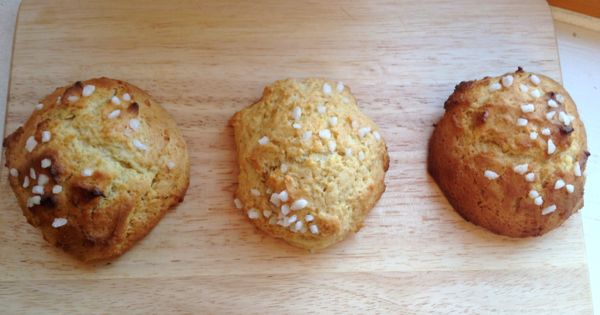
Place dessertspoonfuls of the mix on a baking paper covered tray. Paris Buns are traditionally a smooth domed shape with a slight point on the top which looks quite bosom like, so try and make these smooth and slightly more upright as they will spread while cooking. Scatter with pearled sugar and then bake at 220℃ for about 12 minutes. They should be a golden sun kissed colour rather than actually brown. Cool on a wire rack.

I was as pleased as punch with these. Paris buns could be a bit dry in my memory but the yoghurt in these makes them very soft and the malt powder gives them a stickier crumb with a beautiful glossiness. I had one with a cup of Suki Belfast Brew tea and it was the perfect combination. If you like your baked goods simple, do give these a try. They are so quick and delicious, you’ll understand why things that work well in Belfast are described as ‘wee buns’….

PS: I have no idea why they are called Paris buns. I suspect the shape might be supposed to look like the Eiffel tower. If you really squint…

Feijoada – the ultimate pork and pulses dish?

feijoada-19

Ah, Feijoada: the national dish of Brazil, straddling the culinary and cultural tectonic plate boundaries of Africa, Europe and South America. Possibly the stoutest meal you’re likely to encounter, and enough to give any vegetarian a dose of the cold shivers.

Feijoada marries the southern European / Romance tradition of slow-cooked pork cuts and beans, but with the addition of west African and Amerindian flavours and techniques. It’s often described as originating from slave fare (the story being it was made up of scraps and offcuts of meat that plantation owners disregarded), but like many classic dishes comes loaded with myths and romanticised stories of its origin. Regardless, it reflects the melting pot culture of modern Brazil, which perhaps explains its extraordinary popularity across generation, class, race and region.

I vaguely remember reading about feijoada many years ago, amongst a glut of facts about Brazil gleaned from geography schoolbooks. At the time it didn’t really register…as a teenage boy I was focusing more on images of the impossibly gaudy and glamorous Carnaval and sugar cane-fuelled cars than meat-heavy dishes. A few years ago, as part of an impromptu South American-themed meal, a good friend brought her own version of feijoada, and that sparked my interest. Ever since I’ve resolved to make my own.

Regular readers are probably spotting a pattern here: yet another dish pairing pork products and pulses, and another opportunity to indulge in the joys of black pudding. Well yes, guilty as charged. And having access to some superb rare-breed pork from our friends at Porcus, I’m inclined to work my way through the world’s greatest pig ‘n’ bean dishes, one by one.

When it comes to feijoada there are a plethora of recipes out there. My well-thumbed go-to-guide for South American recipes, Felipe Rojas-Lombardi’s ‘The Art of South American Cooking‘, suggested one needs at least five types of pork in there, including the snout. Others suggest a bit of pork belly and sausage is enough. In the end I ploughed my own furrow, referencing recipes from the ever-enjoyable Flavours of Brazil blog and a smattering of others.

I’d previously procured a Tamworth tail and trotters (being able to source a pig tail generally points to it being raised ethically, as sadly most intensively-farmed pigs have their tails cut off) and had also set aside some artisan chorizo from the fabulous folk at Levanter Fine Foods. After visiting Miss South in Brixton, allowing me to pick up some genuine morcela de lamego from the wonderful Continental Deli on Atlantic Road, I was as ready as I’d ever be.

Here’s the final recipe: it took a day of preparation and cooking, but believe me, it was worth every minute.

Read more

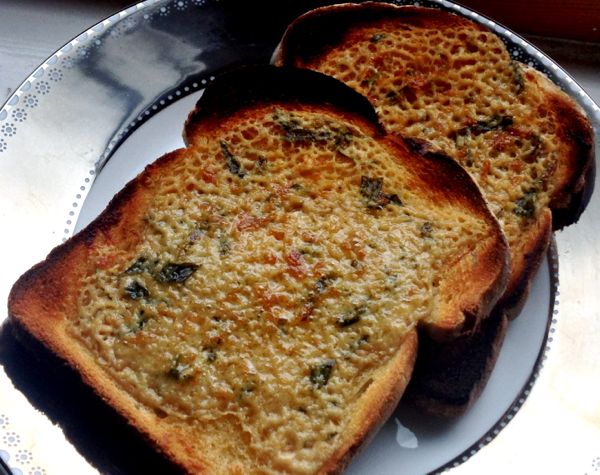
Easter Rarebit

toast

Like everyone else in the UK I am absolutely desperate for spring to arrive. These grey skies, raw winds, bare trees and frozen crocuses are getting to me. There are two options: buy a lightbox or start adding spring flavours into my food despite the fact the view suggests it is January. One of my favourite fresh light flavours is tarragon. I adore this herb even if I cannot for the life of me get it to grow for me. The slightly liquorice, slightly aniseed taste is probably my favourite fresh herb and bunches of it from the deli are my indulgence. It works beautifully with chicken or fish or eggs, making very versatile.

However there is no finer use for tarragon than Béarnaise sauce. Sharpened with a pucker of vinegar and poured heartily over anything, but preferably steak, I adore the stuff. I made some on Saturday night and was faced with the greatest of middle class dilemmas. Should I reduce the recipe to one egg yolk and run out or go with all three and eat it all week? You can probably guess the answer.

Read more

Keep taking the tablet…

dime tablet-2

Last weekend I found myself in the slightly retro experience of finding myself with half a can of evaporated milk needing used up. I haven’t eaten the stuff neat since childhood and even then I never particularly liked the slightly metallic taste. I generally prefer the toffee-ish tones of condensed milk and its sticky sweetness, and as a topping, I always preferred cream, so it seemed for a minute like I’d either be throwing it down the sink or finding out if squirrels like a spot of Carnation.

But then a conversation with the Lovely Scotsman reminded both of us about that peculiarly Scottish delicacy of tablet. Harder than fudge, sweeter than falling in a bag of pure caster sugar after being dipped in syrup and utterly lovely, it seemed like the perfect solution to my evaporated milk* dilemma. I prepared to roll up my sleeves and beat some molten sugar into submission when I espied that you can magic this sweetmeat up the modern way and do it in the microwave making it perfect for a lazy Sunday afternoon.

Tablet is usually served simply. Some even suggest that the addition of vanilla extract is too newfangled, but I’m no stickler for tradition so it seemed like a marvellous idea to add a Scandinavian twist and add some crunch to the tablet in the shape of some crushed up Daim bar. I thought the saltiness of it would work here without just copying the salted caramel trend.

Read more