Inside the Diablo SupperClub

The devil’s in the detail… Diablo SupperClub
Diable supperclub 14

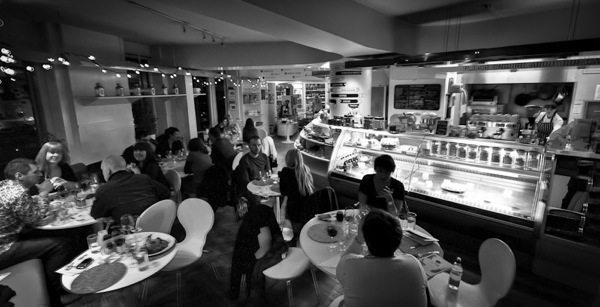
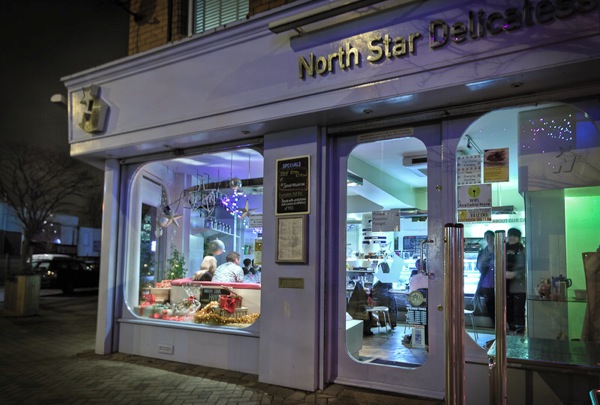
Wednesday night saw us turn up to Chorlton’s inimitable North Star Deli, on Wilbraham Road, to enjoy a taste of the Diablo SupperClub. Not, as you might think at first, a meeting of gastro-occultists, but instead a chance to learn something about Casillero del Diablo wine while enjoying fabulous food.

Yes, those cunning vintners at Concha Y Toro have hit on the ideal way of giving people greater confidence pairing food with wine: bring a liquid roadshow direct to a selection of the country’s finest supper clubs. This was their first venture north of Brighton or London, so of course Mr North was more than happy to help raise a glass in support. My other half is half-Chilean, and we’re partial to a drop of South American reds at the best of times, so this was an invite I didn’t think twice about accepting. After all, what could be more fun than being educated in the dark arts of the grape, while enjoying top-notch food? They’ve got a great blog online, (incidentally this month’s guest blogger is our favourites, Niamh from Eat Like a Girl, who even mentions our take on her exceptional Spiced Beef recipe) and a bunch of user-submitted recipes, which should be good to provoke some fresh ideas in the kitchen.
Diable supperclub 12

It’s incredible to think it’s been almost a year since we attended the first pop-up restaurant at North Star Deli, one of my favourite independent eateries in Manchester. Where did the last 12 months go? In the last year their Join Us 4 Supper nights have become a regular occurrence on the Manchester food scene, showcasing the best of local, seasonal food. Chef Deanna Thomas continues to set the menu and head up the kitchen for each event, whilst the deli has recently expanded to a second location, this time in the city centre. A great tip for a really good breakfast, lunch or fabulous coffee if you’re in the Piccadilly area!

January has a habit of being the grimmest, greyest month (personally I think that’s February… when you want winter to be drawing to a close and it’s tenaciously determined to stay put) and this was the first temptation to eat out since the New Year. Hospitality from the staff at North Star was as warm and welcoming as ever, and as good guests we allowed ourselves to be graciously plied with canapés and bubbly… the perfect start to any evening. First up, an intriguing savoury macaroon, which paired smoked salmon and a citrus-cream cheese inside light macaroons, dusted with poppy seeds. They looked delightful, and were soon followed by rabbit empanadas (following the South Amercian theme), which disappeared faster than a fluffy tail down a rabbit hole. Just right with a delicious dry, crisp glass of Brut Reserva Chardonnay.

Diable supperclub 3

Our resident wine expert for the night, the spendidly-named Hans Joachin Wadsack (or Joe, as he answers to) won over the assorted dinner guests in no time with his extensive knowledge and enthusiasm. This laconic raconteur raptly held our attention with some background on the vineyards, terroir, and production methods of each of the wines we were due to sample that night. That, plus the wonderful smells wafting gently from the open kitchen, cranked the anticipation up to tangible levels in the room.

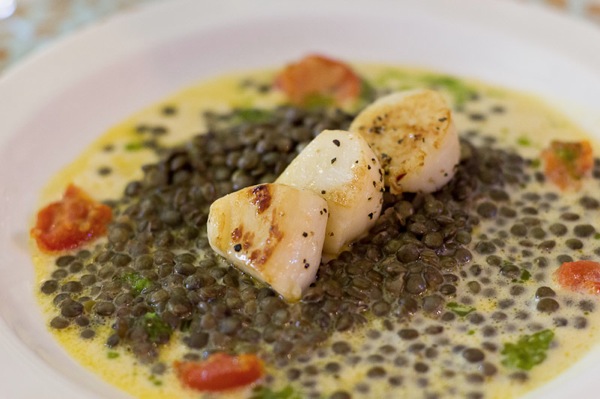
First course was a trio of plump, tender and perfectly seared King scallops. They sat daintily on a bed Puy lentils cooked in a creamy Chardonnay sauce, finished with tiny roasted tomatoes and (I think) a dash of basil oil. It takes a certain kind of determination to try and snare every last lentil on a plate (preferably doused in that wonderful buttery sauce) but I managed it, and looked up to find everyone else’s plates were empty too: a room full of happy diners.
Diable supperclub 5

We each had a glass of Chardonnay, and a glass of Sauvignon Blanc to accompany the dish: for me the Chardonnay was more harmonious, complementing the subtle ocean flavour of the scallops and butteriness of the sauce alike. A good example of how cooking and drinking the same wine in a dish can really pay dividends. Sure, it felt slightly decadent to sit with two glasses of wine at each serving, but I kept telling myself it was purely for educational purposes!

The aroma of the main had been wafting out of the kitchen for as long as we’d been sat down: I ‘d (wrongly) guessed at beef, but was pleasantly surprised to find out that wonderfully meaty, heady aroma was venison. Mmm, venison. Proper winter fare… and it had been a couple of weeks since our venerable venison pie, so were suffering withdrawal symptoms. Joe introduced the reds which were to accompany the main –  a Shiraz, and a Carmenère – both paired to compliment the food. My predisposition was towards the Carmenère – I love its soft, spiced notes and it’s a bottle I already regularly buy – but the Shiraz was also balanced, fruity, and worked well with the dish.

Diable supperclub 7

Deanna introduced this particular venison as being sourced from red deer – good to know as there’s no legal requirement to disclose what kind of deer your venison is from – and this haunch had been marinading comfortably in a delicious bath of Cabernet Sauvignon for the previous day, ready for cooking. And cooked it was, to perfection: pink flesh gave just enough under a richly caramelised dark exterior. Venison can be a bugger to cook, but this was spot-on: rested and rich without being overwhelming. Add that to an oh-so-rich red wine sauce, some savoy cabbage, and a wintery Hunter’s pie (think Shepherd’s Pie, but with an earthy celeriac mash topping and venison filling) and you have a stellar seasonal selection on a plate.

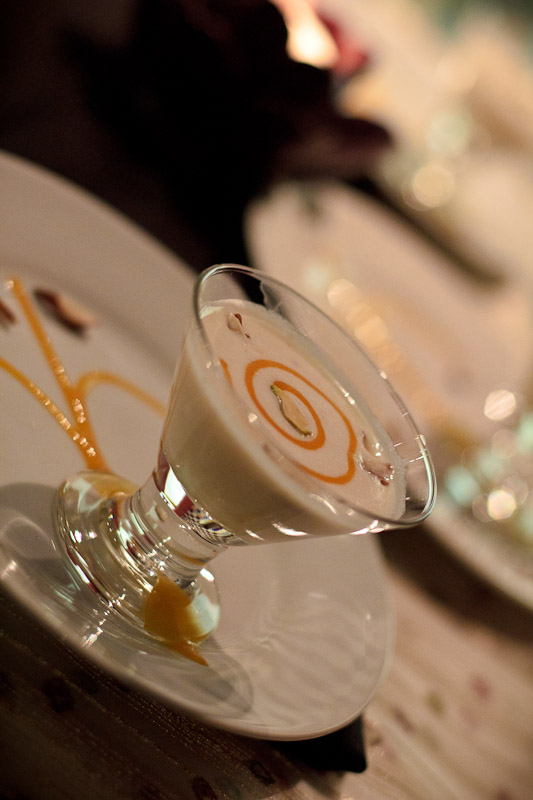
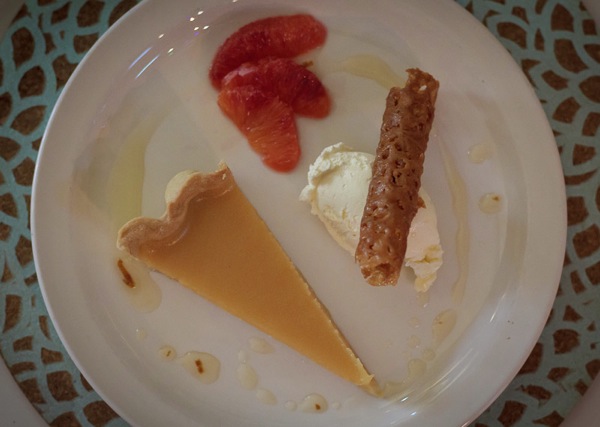
Finally, we got introduced to the dessert wine – the Casillero del Diablo Late Harvest – which is a newly introduced line in the UK (so new I couldn’t even link to it on their website). I don’t really do dessert wines, but every time I get persuaded to try a dessert wine with an appropriate sweet, I remind myself I appreciate the combination more than I think I do. This was no exception: the dessert was an Blood Orange tart, which quivered and shivered coyly on the plate. The mix of sweet and bitter riffed brilliantly with the concentrated, rich flavour of the wine, and added a welcome burst of late summer sunshine to the dark environs of south Manchester.
Diable supperclub 9

Thanks to Briony and Joe from Casillero del Diablo for the wine and wisdom; Deanna, and Ben in the kitchen for the fantastic food; and smiling service from Adam, Jenny and the rest of the staff. A really great night, with plenty of sparkle, humour and gastronomic pleasures!

Diable supperclub 11

I should also mention that Ben, the chef at North Star Deli, is one third of Team ‘Northern Stars’ on BBC2’s food quiz ‘A Question of Taste‘, alongside myself and SJ from Porcus.  We got on so well together that North Star Deli and North/South Food will be teaming up for next month’s ‘JoinUs4Supper’ on February 23rd. We’re hugely excited about this, and will be announcing more details very soon!

Diable supperclub 10

Irish Spiced Beef brings Christmas comfort…

Spiced beef 11

Having read Miss South’s glowing write-up before my latest visit to her, I was keen to read through Niamh Shields‘ “Comfort & Spice” cookbook. I sped read as much as possible in a short time, and one of the (many) wonderful recipes which caught my eye was Spiced Beef: an Irish dish which is traditionally served cold over the Christmas period. We’d normally have a decent-sized cold cut in the house over the holiday period, often the Coca Cola Ham which we wrote about last year.

However I can only remember having spiced beef once, when our mum brought back joint from the butcher. She’d fondly mentioned it from her childhood, but this shop-bought version was memorably unmemorable. So I’ve always wanted to make proper spiced beef from scratch, and Niamh’s recipe provided the perfect excuse to give it a go this year. I alternate between spending Christmas in the north of England, and returning to Belfast, and this year I was in Manchester with my girlfriend and her family. Having something which brought a taste of Ireland to the table was important to me… and having a cold joint to be able to pick and nibble at is always a bonus.

Spiced beef isn’t a complicated dish, but it does require some patience, preparation… and an ingredient which wasn’t available to the general public in Northern Ireland during the Troubles, which curtailed its consumption when we were growing up. Saltpetre aka potassium nitrate was a controlled substance, as it’s a key constituent of black powder (gunpowder). I’m not sure if it’s still verboten: I was lucky enough to be given some for this recipe by a friend. Saltpetre’s one of those relatively unknown but essential compounds on which the modern world has been built; used for fertiliser, food preservation, an oxiding agent for gunpowder and fireworks amongst other uses.*

I ordered the Christmas meat in advance from Stansfield’s in Todmorden Market –  the centrepiece of our Christmas meal was leg of venison – but Paul always has good beef and I picked up a weighty brisket form him last weekend.

Irish Spiced Beef (from Comfort & Spice)

  • 2kg beef brisket off the bone

The curing mix:

  • 1tsp allspice
  • 1tsp cloves
  • 1tsp fresh nutmeg
  • 1tsp mace
  • 75g soft brown sugar
  • 10g saltpetre
  • 100g sea salt

Combine all the ingredients for the curing mix and rub all over the brisket. Sterilise with boiling water a non metallic pot or plastic container into which the beef will fit snugly. Add the beef, cover and store in the fridge for eight days, turning daily and basting with any juices.

Wipe off the excess marinade and cover the beef with water in a large saucepan. Bring to a boil and simmer for two hours. Allow to cool and serve over the festive period as you would a ham.

First step: make the curing mix. I closely followed Niamh’s ingredients, with a couple of minor tweaks. I used Muscovado sugar, as I love its rich, sticky, almost smoky rawness. I also raided my extensive selection of salts to create a posh mix which would hopefully play up the strengths of the beef and spices, using Maldon Smoked Sea Salt, Guerande Grey Sea Salt, and Carmargue Fleur de Sel. Every recipe I’ve seen for dry-curing meat stresses that the quality of the salt is imperative, and they looked beautiful ranged on the plate too.

Spiced beef 1

I ground the whole allspice, nutmegs and cloves together, together with a cheeky tablespoon of mixed peppercorns to add a little bit more warmth to the mix. Then I combined the salt, sugar and saltpetre in a bowl, make a good stiff mix. The aroma was stunning: if you’re ever looking for a sure-fire way to enfuse your home with the sweet, aromatic and suggestive hints of winter, this really is it. It’s even better with a cockle-warming glass of hot port to aid the cook’s concentration!

Spiced beef 4

I sterilised a tupperware container, and placed the cured meat in it, sealing it tightly and placing it in the fridge. With six days between the initial preparation and Christmas Eve, the only requirements were to gently spoon and baste the spiced liquids over the joint daily. You’ll find a fair amount of juice will be drawn out of the meat by the cure. I tried my best to disturb as little of the spiced coating as possible, wanting to let the power of the spices permeate properly through the meat.

Spiced beef 7

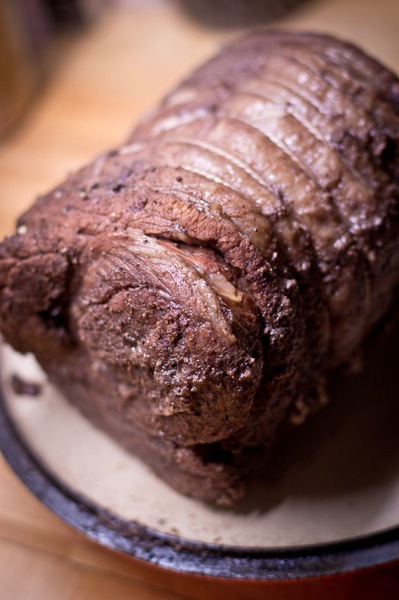
On Christmas Eve we simmered the beef for a couple of hours, before letting it cool (patience is a virtue) and cautiously cutting a few slices off for a Christmas Eve nibble. As you can see, the beef had held its vivid rose hue thanks to the saltpetre, and the flavour was quite wonderful: warming, comforting and so tender. Paired with wholegrain mustard mixed into some mayo, and ranged with gherkins, this was a perfect sandwich: almost the Irish equivalent of New York pastrami. We didn’t leave any out for Father Christmas though, as it proved way too popular with everyone who tasted it.

Spiced beef 8

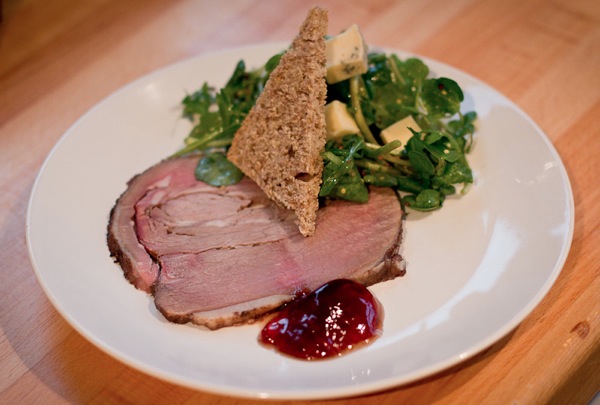
I’d also decided to have the Irish-themed starter on Christmas Day revolve around the spiced beef: after a night in the fridge the meat was even easier to thinly slice, and I plated it up with a small toasted piece of soda bread, a dab of redcurrant jelly, some cubes of Cashel Blue cheese, and a lightly dressed selection of watercress, rocket and baby spinach leaves. Everything worked well together: the sweetness of the jelly complementing the sharpness and warmth of the mustard vinaigrette, pepperiness of the rocket, the crisp of the bread… and of course that succulent, aromatic and oh-so tender beef. Needless to say, we’ve been cutting cheeky slices off the joint ever since, as it’s perfect for snacking and sating our cravings for seasonal cold meats.

Spiced beef 14

Thanks to Niamh aka @Eatlikeagirl for allowing us to reproduce the above: it’s a brilliant encapsulation of a traditional Irish recipe, and doesn’t suggest any of the adulterations which crop up in many US-oriented traditional ‘Oirish’ recipes. We’ve recommended it before and we’ll do it again… buy Comfort & Spice and make your kitchen a happier, better place!

*Update. This still remains a firm festive favourite dish in our family. The last couple of years I’ve not used saltpetre as part of the cure, as there’s increasing awareness of the potential health risks associated with nitrites used in processed or preserved meats. Without the saltpetre acting as a colour fixative the spiced beef isn’t as rosy, but tastes just as good… and even a large 1.5kg joint rarely lasts more than a few days, so as long as you follow standard good practise for food hygiene, there’s no need for the preservative qualities of saltpetre. You may or may not chose to exclude saltpetre from the recipe when you make this dish.

Delights and tea lights: twice the fun at The Spice Club

As the candles fade after this year’s Diwali, it’s a good time to shine a bright light on The Spice Club in Manchester, one of the best open secrets in the North West’s food landscape. It’s Manchester’s longest running secret supper club, and comes with a sterling reputation. A fortnight ago my regular dining partner and I made it down to the first of two pop-up events in the city centre’s Spinningfields: the second was held this weekend past, and part of me wishes I could’ve been there two weeks running to enjoy the superlative authentic flavours again.

We didn’t have many reference points for Indian cuisine when growing up in Northern Ireland during the 80s. Sure, the family got the occasional takeaway; I had a few good meals round at south Asian friends’ houses; and I remember some home sessions where we made meals with Sharwoods’ finest pre-packed ingredients. Apart from that, our dad’s biryani became a running family joke, largely because it was never served with any sauce so was dry as straw (we think he was missing one half of the recipe and never realised). At the time south Asian food just wasn’t as ubiquitous in Belfast as it was in most English towns, so my first experience of the wider world of Indian food was when I moved to the northwest of England to study.

Diwali candles at The Spice Club, Manchester pop-up restaurant

Hanging out with a couple of beery lads from the Midlands, for whom curry competed with a full Sunday roast when it came to the best choice for a shared house meal, I quickly learned about key ingredient and basic techniques. I got in the habit of easting out at cheap and cheerful curry houses, and when I moved to Manchester (home of the infamous Curry Mile in Rusholme, as well as some great little joints in the Northern Quarter) my education broadened further. I’ve eaten out a lot over the years in Manchester, but two restaurants really made an impression on me for a range of dishes which they offered up; Gaylord, and the sadly-missed Shimla Pinks. Both contradicted the usual restaurant fare by serving fresh dishes with incredibly distinctive flavours. This was the kind of Indian cooking which I could really connect with, but I was more likely to get it cooked by knowledgable friends than when I ate out. Garishly bright sauces, suspiciously-similar looking curries, oil slicks spreading across balti dishes, sickly-sweet dessert options… I knew there was more to Indian food than this, but even in a city with so many choices for eating, it was surprisingly uncommon to find oneself tasting fresh ingredients in the way one would take for granted with, say, Thai food. Surely something was wrong here?

This brings me, in a roundabout way, back to The Spice Club. I’d met Monica Sawhney, the prime force behind Manchester’s first secret supper club, at a couple of events early this year. Her obvious ability to combine advocacy and enthusiasm for quality Indian food was apparent… and infectious… so I was determined to check out The Spice Club when I could. Over the next couple of months I heard more glowing first-hand reports, which cranked up the anticipation, but I always seemed to have something already in the diary. As a result, when I decided to go to the South Indian food special at the beginning of July, my dining companion was most miffed,as she already had plans and couldn’t make it. I smacked my lips with anticipation and signed myself up anyway, keen to check out some Keralan cuisine. After booking through their website and receiving a confirmation email, the next stage was getting a text messgae on the day, revealing the location. As I was going alone I decided to drive – public transport from the depths of the Pennines to the balmy suburbs of north Manchester is a convoluted option – so I was one of the few sets of guests who didn’t BYO.

After a drive over th’hills on a beautiful summer’s evening I arrived at what was very obviously a family home: perfectly appointed but with an atmosphere which thankfully said relaxed dinner party, not mini-restaurant. This vibe, plus the warm and friendly greetings from Monica and her mum Anita at the door, was a perfect statement of intentions. Escorted to my place, I joined a dozen or so other people at one of two large tables. Chatting around before food was served, the diners seemed to come from a wide range of backgrounds and levels of food interest. There’s alway a good frisson at a supper club: a range of dining companions, united by a common interest and shared anticipation of what’s to come. The buzz around the table grew over glasses of fruit juice, before Monica came out to welcome us and introduce the meal. The Spice Club’s manifesto is to let their guests experience and enjoy fantastic, authentic home-made Indian food, and to be as open and welcoming as possible. Including, rather bravely I thought, inviting anyone who wanted to pop into the kitchen to see behind the scenes.

Our first course was Masala Dosa, a wonderfully light dosa (a thin pancake), rolled into a cone and filled with delicately spiced potato. This was wonderful in its own right, but was taken to another level by the wondrous coconut chutney on the side. On a warm summer’s evening this was such a perfectly cool, soothing and fresh condiment, and I made sure to take advantage of it. Not that the food that night needed a cool touch to temper savage spices: if you’re looking to carry out any random acts of chilli masochism, this isn’t the venue for you, it’s all about balancing the distinct fresh flavours of the spices and ingredients in harmony.

After this, our plates were cleared away, and a series of entrées made their way onto the table. Each plate had an individual bowl for the sambar, and plenty of space for the accompaniments. Glancing at my menu, I couldn’t help think the next course had a touch of the Julian & Sandy‘s about it – “ooh, did you vada those steamy idlis down the sambar?” but that says as much about my humour as my relative ignorance of south Indian food…

Idli at Spice Club Manchester

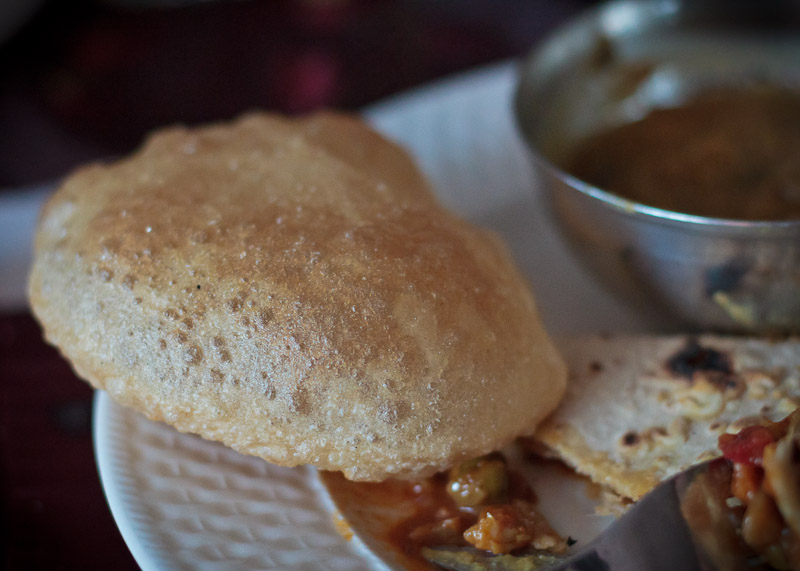
I’d never had idli before: delightfully cute steamed rice and lentil cakes; nor vada, light crispy rice and lentil fritters, delicately spiced and perfect for scooping up sauce. Or beer snacking, I’d warrant. There was a toor dal sambar, piquant and fresh with spiced onion, garlic and ginger; and Pau Bhaji, a selection of veg in a rich tomato-y masala. Little vegetable bhajiis and plenty of chapattis completed this main course.

The presentation is uniformly excellent too… each serving is delicately detailed without being overly fussy. However they obvious know their audience: neatly plated dishes empty quickly but a succession of refills, top-ups and temptations ensure that no-one leaves the table hungry in any way. There’s a touch of that Scots-Irish “Ahh, go on and eat up, you’re at yer Grannys” about the smiling countenances which pleasantly persuade you to have just one more thing…

Curious about the dishes we’d enjoyed, I took up Monica’s opening offer and went for a nosey in the kitchen. Anita was more than happy to show off the ingredients, talk about exactly how to cook them, and how much they all enjoyed hosting Spice Club. All in a kitchen which looked spotless… you get the impression this operation hums and ticks like a well-oiled machine (and that’d be olive oil, not ghee as you might expect… Spice Club aren’t afraid to update traditional elements with healthier alternatives… so no worries about unhealthy greasy curries).

Thankfully after the generosity of the previous courses, dessert was light and fresh – a strawberry and mango sorbet – just right for a warm summer’s eve to cleanse the palate. Then we were offered cardamon tea or a coffee (I went for the cardamon tea) and a selection of cake and biscuits. Despite feeling a little like one of those cartoon characters, when my eyes should’ve registered ‘Full’ signs, I still managed to enjoy more of the biccies than good sense would allow. They’re naan kithai, a kind of cardamom-y shortbread, and boy, they’re seriously good, which I why I’ve linked straight to Monica’s recipe for them.

Spice Club - cake and naan kithai

Many things made the evening special, but more than anything else I took away the impression that this was something which Monica and her family really loved to do: bringing together people for an insight into great regional home-cooking, with wonderfully warm hospitality. Which, I may say, they did with ease. My better half was even more jealous after she’d heard about the evening, so when we heard The Spice Club was branching out to a pop-up restaurant in central Manchester for two weekends, she quickly determined we’d go. I needed little persuasion…

Looking over the Diwali pop-up restaurant by The Spice Club, Spinningfields, Manchester

After wandering around the shiny glass canyons in Manchester’s gauche new quarter, getting slightly confused by the multiplicity of RBS banks (which threw us, based on the directions we had) we found a corner unit, twinkling with hundreds of candles to set the mood for Diwali. The location was a unit which I believe had been a sandwich bar (the decals on the windows still advertised wraps and salads). As before, the table decorations were beautiful, and they’d managed to inject some homely personality into the space. I popped open one of the bottles of the ever-delightful Meantime IPA which we brought along (a big, strong, fruity, hoppy beer which is absolutely perfect for a spicy meal) and we talked to our dining companions. It turned out to be a small world – I was sitting next to a lady I’d last met at the Spice Club during the summer – so obviously we’d both rated it highly enough to plan a return visit, this time with our partners.

Aloo Tikka Chaat - Spice Club, Manchester

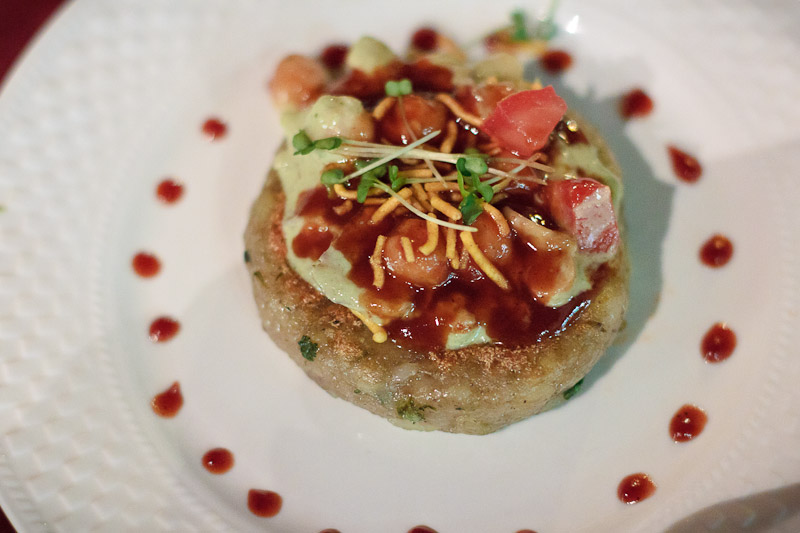
After Monica came out of the kitchen and introduced the evening, we were presented with a lovely appetiser: Aloo Tikka Chaat. A dinky potato patty, topped with chutney, yoghurt and a tangy sweet tamarind sauce, together with chickpeas and tomato. Small, but perfectly formed, this set the pace for the rest of the evening with its fresh flavours and perky presentation. Really good. It was only after I’d left the July Spice Club I’d realised the whole evening was vegetarian. This time our entrées had a more meaty bent, but as with so much good Indian cuisine, veg and pulses played a critical role. Roasted chicken Masala was a million miles from its namesake in most restaurants, being melting succulent and thrilling warming; the Shahi Keema Mattar paired the classic minced lamb with peas and spices perfectly. The dal, made from moong and channa, and lobia (black-eyed beans) was as good as anything I’ve ever had before, and the Gajjar ka Raita, a carrot raita added a dash of sweet coolness. How come I’ve never had a carrot raita before… it’s genius!

Entrées at Spice Club pop-up restaurant, Manchester

However the real revelation of the night for me was the Paneer Bhindi. I’ve had okra (aka the slightly creepily-named ladies fingers) before, but was not impressed by its somewhat slimy texture. Likewise, though I’ve had paneer in dishes before, when I’ve tried to cook with it at home, it’s left me thinking it’s like a blander cheese cousin of tofu. That’s aching bland. So I was tentative in trying out the paneer bhindi when it appeared, but I had seconds, and even thirds (yes, that policy of death by kindness and generosity was in full effect again, with all the diners plied with multiple helpings of everything from chapattis and rice to main dishes). When I confided that I really didn’t like okra beforehand, I given the tip that it’s often best to overcook it to reduce the mouthfeel which I’d been so unenamoured by. I’m going to be following their recipe for Paneer-stuffed Okra soon…

Kheer - dessert at the Spice Club, Manchester

In between courses, despite there being more diners than usual, service was swift and good-natured, and we even had time to take tips and advice from Anita and Monica as they talked to everyone. We needed a little time to let the main course settle, so easy conversation and good banter was in order. Dessert was Kheer, a sort of grown-up rice pudding, with enough sweetness to lift it without being cloying, and just enough bite to the rice to elevate it above a mousse or blancmange-like consistency. All with a glowing hint of cardamom and a drizzle of mango. Lush.

Cardamom tea was then served alongside those cracking Naan Kithai again, and a slice of the Diwali cake which I think Monica mentioned had been brought along by one of the guests. We also each had a barfi, which again confounded my expectations by being much less sickly-sweet than the versions I’ve had before in sweet houses. The whole evening was a delight: wonderful food, of course, but also a great atmosphere.

This is very much a family affair: Monica fronting the whole operation, with full culinary direction from mum Anita, assistance from brother AJ and dad Jee, and close support from Vik. They’re so obviously proud of their culinary heritage, and determined to reclaim that food background from the identikit coloured curries most of us have been all-too-familiar with.

Monica from The Spice Club

The Spice Club run a series of events every month: having experienced two I’d have no hesitation in urging you to sign up for one of their forthcoming nights. The location might be a mystery, but the authentic tastes, and true deliciousness is guaranteed!

Hare removal… or who killed Roger Ragu…

Hare ragu, plated and ready
It’s game season again, and my thoughts have been straying towards furred and feathered fare as the hills and woods around here turn various gorgeous autumnal hues. Here at North/South Food we seemed to have cooked a disproportionately large selection of locally-sourced wild beasties over the last couple of years, perhaps motivated by an interest for something a little bit different, combined with a healthy desire to keep food miles low and quality levels high.

The blackboard in the local butcher’s been filled with a good variety of game in the last month: it’s been a bumper year for berries and fruits, so it stands to reason that many of things which feast on them will be in particularly fine fettle. Time to sharpen the steak knives, check the juniper berries, dig out the redcurrant jam and pour a glass of home-made damson gin!

I was gutted to have missed out on hare recently at the butchers (hare today, gone the next… buy it when you see it is the moral of this tale) so I was extremely chuffed to be offered a hare and three rabbits from another source; all local, lean and super-fresh. I’ve had hare in the kitchen once before, but it was more memorable for the cooking than the eating, perhaps as I’d ad-libbed the ingredients and found the beast a bit stringy and wanting for flavour. Since then I’ve read a lot more about hare – how in many respects it’s more akin to venison than rabbit – and wanted to give it a proper go before I made up my mind. So I took no chances and decided to follow a proper recipe this time, rather than make it up as I went.

The beast had been jointed and came without blood or giblets – jugged hare obviously wasn’t an option – so I delved into the excellent ‘Game: A Cookbook‘ by Trish Hilferty and Tom Norrington-Davies (now my go-to book for all things game) and plumped for a classic northern Italian dish of Hare Ragu. It sounded perfect for these cooler autumn evenings. I’m not a great fan of that hardcore, machismo-laced strain of game eating: you know, when the meat’s been left to hang for so long it’s high to the point of walking around the kitchen on its own. Not appealing to me… I’m all for flavour, but not so dominant it threatens to overpower everything else. This hare had been caught the day before I had it, and it spent a day resting before I started cooking. I reckoned the extreme slowness of the recipe would compensate for a lack of extended hanging.

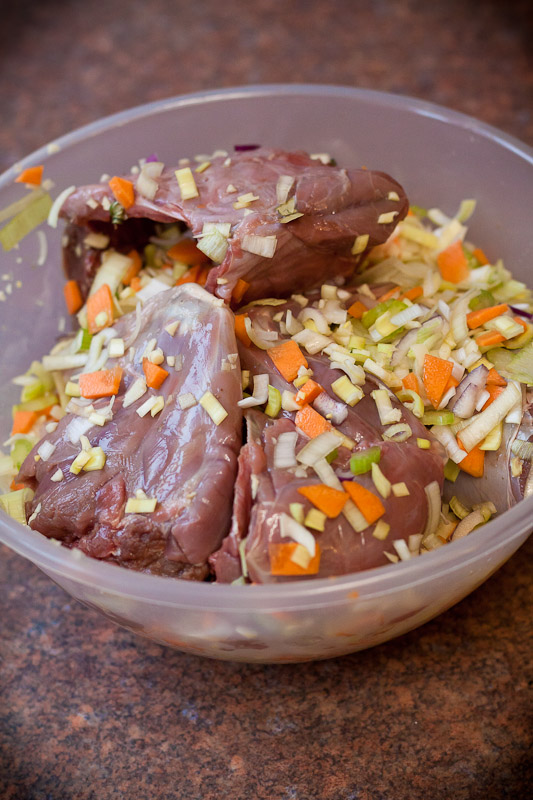
Before going to bed I finely chopped up the veg and aromatics to make a marinade, gave the joints a good coating, mixed up everything and left it overnight to mellow and rest. I then did the same, minus the marinade. Next day I chopped up the last of some wonderfully smokey Porcus backfat and bacon (to keep with the local, hilltop vein), and rendered that down, substituting this for the oil in the recipe. Then the veg got sweated down, accompanied by what few drips of marinade juices were left in the bowl, then in went half a litre of red wine. This took a while to simmer down and evaporate, then I added a dollop of tomato puree and some cocoa.

The addition of cocoa powder might sound a tad unexpected… but after the frankly amazing rabbit with morcilla and chocolate I’d previously cooked, I didn’t need much persuasion to whack a generous teaspoon into the mix. The cocoa-y flavours add a richness with a slight tang, just enough to play off the tomato and sweetness of the veggies. Finally in went the meat, the pot was filled with water, and everything simmered slowly, softening and bubbling away for a few hours until the meat threatened to slip unbidden off the bones. It was at about this time that my guest for the evening, a good mate who’s recently recanted an adult lifetime of vegetarianism, helped me to clean the cooked meat from the bones for the second stage of the cooking. To be honest,  this was above and beyond the call of duty, but he threw himself into the task with more gusto and enthusiasm than many a seasoned carnivore would; driven by a combination of curiosity and hunger. I’d at least warned him that wild beast would be on the menu before he turned up, so it wasn’t too much of a shock for him…

Everything went back in the pot, bar the carcass which was reserved for later use, and the ragu reduced for an hour or so, until it more resembled a dark pulled-pork dish than a normal pasta sauce. By this stage the collective groans of our stomachs ensured the pasta was cooked and garnished. I’d originally intended to dig out the pasta maker and roll out a few sheets of home-made ribbons, but this was a bit ambitious for a midweek work night, so I decided to go with something already in the store cupboard instead. I went for Orecchiette Pugliesi, that curious ear-shaped pasta, reckoning its bite and open shape would work well to catch the thick ragu. It did the trick…

A good helping of pecorino and a twist of parsley topped off the hearty, steaming bowls, and we tucked right in. You know it’s a good meal when there’s little conversation and less left in the dishes by the end. The hare had a big flavour… deeply rich and meaty, with more than a hint of game, but the tastes were balanced rather than overwhelming. Cooking it so slowly meant the meat was soft, succulent and very moist, and had absorbed all the other flavours in the pot, reducing everything down to a dark, unctuous delight. The only criticism is that it was almost too dry for a sauce to coat and accompany pasta… if I made this again I’d take it off the hob slightly earlier.

As is so often the way, the flavour got better over the next couple of days – just as well, as there was a lot of meat on this hare. I was (happily) eating it for days, and there’s still a tupperware container in the freezer, holding at least three generous portions, ready to meets its match with some home-made pappadellle one evening as the nights draw in. And, as the bones were substantial enough to boil up, I’ve also got a good selection of hare stock (or should that be hare restorer?) ice cubes in the freezer, ready to add to something special in the future.

Brown hare are powerful, elegant but shy native creatures – normally the most I see of them is a browny-grey blur when I’m out walking in the hills – so I’m pleased to have gotten a second chance to savour this beast… and that we hit it off better on our second dinner date. I can highly recommend this dish… stop reading this now and make yourself a hare appointment!

A tail of pork pie…

After our all too brief dalliance with summer, autumn is upon us once more. Some might moan, but it’s my favourite time of the year. Crisp sunny days, scuffly crunchy leaves, purple tinged sunsets, the smell of bonfires and an excuse to indulge in a few more carbs. Have I converted you yet?

I decided to take advantage of this first really cold snap this week with a pie for dinner. What could be better than lots of seasonal ingredients topped with flaky puff pastry? What about accessorising the whole thing with a boar’s tail and beating Fergus Henderson at his own game? Not so much cow pie as pig tail pie…

I got the tail at the stall* in Brixton Farmers’ Market for the bargain price of a pound and couldn’t resist its curly charms, especially since there’s a fair bit of meat on one. You can also get them smoked at the Colombian butcher in Brixton Village.

To fill my pie, I used diced pork leg as I couldn’t stretch to wild boar this time. For a seasonal sensation, I added shallot, leek and some seasonal mushrooms, all sweated off in butter and coated in flour and bathed in Henney’s Herefordshire cider before simmering it all for 40 minutes on a low heat. When it thickened up, I added fresh tarragon, a pinch of mace and a good grind of black pepper. Like all the best pie fillings, it can be prepped in advance and then given a lovely lid when needed.

My lovely lid came courtesy of Jus-Rol. I wanted to do puff pastry and with butter the price it is, I did not feel inclined to experiment. Instead I failed to read the instructions for use properly and ended up having to defrost one sheet in the microwave. This was a bad idea. It ended up brittle and with greasy patches. I had to use the other sheet instead and allow it to come to room temperature naturally. Feeling deflated that I could mess up bought pastry, I turned attention to the tail.

I wanted it to partly inside the pie to cook the meat and allow the bone to infuse the gravy. This is surprisingly difficult. Pig’s tails are incredibly flexible and not especially easy to position. I put the pastry lid on the pie and slit it open to wedge the tail inside. This took longer than I thought and led to an interesting moment where I stopped while holding a floppy tail in one hand and wondered how exactly my life turned out this way…

Eventually with some ingenious overlaid pastry stars holding the tail in place, the pie went in the oven at 220C for about 40 minutes. I peered in after 30 or so and marvelled at how much it really had puffed up. It also smelled tremendous. I boiled some spuds and did some peas to go on the side and rushed to get at it.

The tail had crisped up at the very very end and the meat inside was nicely cooked. It might be better to skin it first as there was quite a lot of slightly flabby skin to wade through, but it was surprisingly tasty to gnaw on and it had added a meaty kick to the pie filling. Pork leg wouldn’t be my first choice of cut usually, but it softened up nicely and was delicious. The cider and tarragon worked well and the pastry was great. I had two helpings straightaway (and forgot the peas both times!)

If you can get hold of a tail or two, try not to be put off by the cute factor. It’s a tasty thing perfect for a bit of stock or to make people’s eyes open wide when you serve this pie. I just wish I’d gone the whole hog and bought a snout in the market too…

*I’m really sorry, but I cannot remember the name of the boar people at all, but they are there every week and super helpful and very friendly.