Rhubarb Surprise Ice Cream Sandwiches

My ice cream life was varied and disparate when I was a wain. There was the exquisite gelato of family holidays to Italy ( scene of one of my most memorable moments when I brattily declared I didn’t like ice cream to howls of disbelieving laughter), Mr Whippy style cornets with a flake on the side, the mouth puckering but moreish lemon sorbet my mum’s friend Ann made at dinner parties and slices of raspberry ripple from a rectangular carton, often served on the side of fresh raspberries from my granny’s garden but also slipped between two wafers to make a slider.

Cue quizzical eyebrow raising from our foodie readers. Well to us Norn Irish (and Scottish) folk, a slider is not a mini burger, it’s an  ice cream sandwich, usually from a van or one of those amazing Celtic-Italian ice cream cafes both countries welcomed so happily due to their super sweet tooth. Possible to make at home if you could get your Dale Farm in the right sized block and work quickly, they were more often a treat bought on a seaside trip or at the end of a Sunday out. They came in several souped up versions such as the nougat wafer (dipped in chocolate and nougat and pronounced nugget) or the seemingly sophisticated oyster, but my favourite was the version that had a Flake inside. I could work out how they got the figs in Fig Rolls, but not the Flake inside one of these.

Quite hard to eat in a dignified manner, these required a careful combo of licking, nibbling, turning and eventually biting to make sure you got every drop without it exploding down your front. I imagine it was their trickiness to eat that has led to them seemingly vanishing without a trace these days. I haven’t seen one for years and neither had the other slightly bemused people I canvassed about them. It looked like I was going to have to make my own version. It was a project worthy of one of Kavey’s ice cream challenges!

Chocolate is all very well and good but my last two batches had both been chocolatey and I felt I needed some fresher and tangier to hit the spot. One of those perfect lightbulb moments happened and I realised that a stick of poached rhubarb inside the ice cream would make a perfect grown up copy of that childhood classic…

Rhubarb Surprise Ice Cream Sandwiches:

  • 4 egg yolks
  • 250ml milk
  • 500ml double cream
  • 100g caster sugar
  • 5 stalks rhubarb
  • pack of rectangular ice cream wafers

I used a silicone tray like this one to make individual blocks of ice cream. All instructions are for this tray, but you could use something else if you prefer.

Roast your rhubarb in the oven at 150℃ for about 20 minutes until soft but still holding its shape firmly. Then set aside the narrower stalks on a plate so you have enough for nine pieces and allow them to drain any juice away. Puree the rest of the rhubarb in the blender.

Then make your ice cream base by heating the milk and sugar together until bubbling but not boiling. Add in the cream. Separate the eggs and beat the yolks in a small bowl. Then add a cupful of the warm cream mixture to the egg yolks and stir. This will temper the yolks so they don’t scramble when you add them to the hot liquid. Then add the egg mix to the warmed milk and cream and cook gently until starting to thicken and coats the back of a spatula. Take off the heat and chill well before churning in your machine.

About five minutes before your ice cream machine has done its job, add in the rhubarb puree to flavour your custard base. Make sure your ice cream is still quite soft and malleable and then put a dessertspoonful in the base of each section of your tray. Place the cut piece of roast rhubarb on top and then cover it all with another spoonful of ice cream so there are no gaps. When all are filled, put the tray flat into the freezer to chill completely for several hours so that each little block is nice and firm.

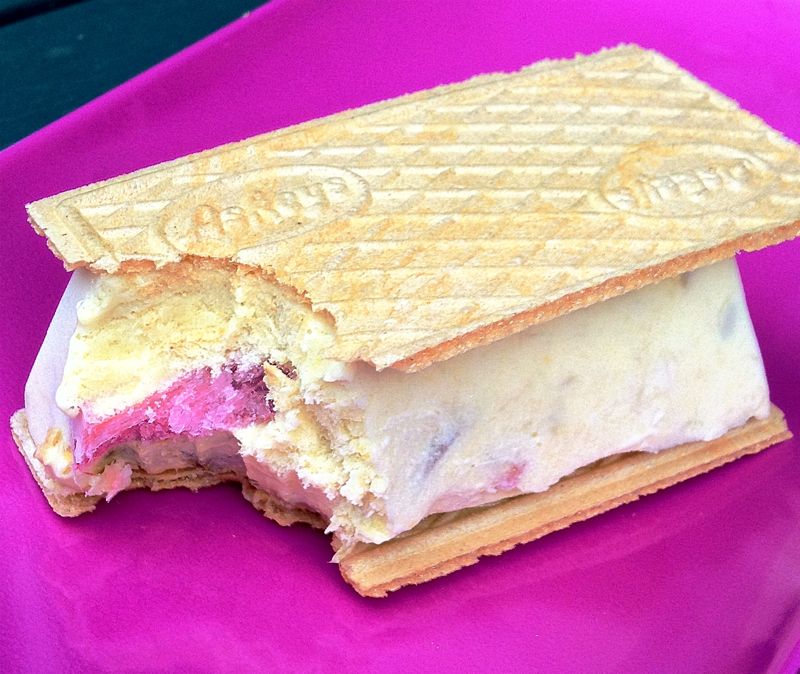
When you are ready to eat the ice cream, take the tray out about 5 minutes before and run a blunt knife round the block to loosen it and the block should pop out in one piece. Pop between two rectangular ice cream wafers (I used Askey’s for extra childhood nostalgia) and then get your chops round this awesome ice cream sandwich. The ice cream is super creamy and custardy with a proper tang from the rhubarb shot through it and the whole thing is made amazing by the frozen piece of rhubarb which makes it all taste a bit like a quarter of the eponymous sweeties. I revisited childhood memories and instead of being disappointed, it was even better than remembered…

 

White Chocolate Nutella Sorbet

 White Chocolate Nutella sorbet

 Every so often, you realise you’ve never seen certain things you just assumed existed. Baby pigeons, a body positive article on the Daily Mail, a smiling traffic warden or white chocolate Nutella…

People love Nutella, especially ones like me who associate it with childhood holidays so it seemed strange that in this day and age they haven’t gone the Marmite route and brought out variations on a theme with different types of chocolate. It looked like if I wanted to try this elusive style of spread I’d have to make it myself.

I came across this David Lebovitz recipe for home made Nutella and while it looks gorgeously rich and much more alluring than the shopbought stuff, it also seemed quite labouriously faffy with its milk powder and two types of chocolate and dollops of honey. I wondered if I could simplify it and still end up with some thing essentially spreadable? I like to think I did just that and that the most difficult part of it was finding a half decent brand of white chocolate!

White chocolate Nutella spread:

  • 200g white chocolate (I used two large bars from Marks & Spencer)
  • 120ml whole milk
  • 100g hazelnuts
  • 75g sugar
  • 50ml vegetable oil

Firstly, either buy ready skinned hazelnuts or prepare yourself for a horrible kitchen job when you skin them yourself. i was advised to boil them for 3 minutes in a small amount of water and bicarbonate of soda to help loosen the skins rather than just roast them. Unfortunately my small amount must have varied to their’s and it all boiled over leaving my cooker coated in a fizzy brown liquid that clung like nobody’s business. Then when I rubbed the skins off in a teatowel, they stained the cloth forever more and although the entire skin came off, they stuck to everything like glue. I then had to roast the nuts at 220℃ for about 25 minutes to dry them out and turn them golden brown.

However this palaver redeemed itself when I went to grind the nuts in a food processor and they turned to a soft powder with ease which I haven’t noticed before with just roasted nuts. Hazelnuts finally tamed, I turned my attention to the rest of the recipe and heated the whole milk and the sugar gently on the stove. Then I broke up the chocolate and blitzed it into the hazelnuts until I had a thick paste.

white chocolate buttons and hazelnuts

Add the warmed milk mixture into this paste and blend it all together (in batches if needs be) and then return it all to the pan to heat it through and make sure the chocolate is totally melted and everything is combined. Then add the oil, a tablespoon at a time until the whole thing looks soft and spreadable rather than stiff and unyielding, bearing it in mind it will thicken as it cools. I probably used about 60ml in total but depending on your chocolate you might need more.

White chocolate Nutella jar

Pour into a sterilised jar and allow to cool. It will be scoopable and spreadable and in my experience very very good with homemade mini doughnuts. It isn’t as smooth as the shopbought version or David Lebovitz’s one but it tastes great and I don’t mind the texture of the nuts. The only problem is that because of the fresh milk it has a fairly limited shelf life even if kept in the fridge so I decided to turn it into sorbet using this recipe from The Little Loaf as a rough guide.

White Chocolate Nutella Sorbet:

  • the jar of Nutella from above
  • 200 ml water
  • 50g sugar
  • 100g extra white chocolate

Heat the water gently and dissolve in the sugar, melting in the extra white chocolate in lieu of the cocoa powder in the original recipe and then stir in the homemade Nutella until you have a thick shiny custard like soup. If you really don’t want the texture of the nuts in your sorbet then strain the mixture through a sieve at this stage. If you don’t mind/are lazy, pop it all in a bowl and chill well before either churning in your ice cream machine or mixing with a fork every so often in the freezer to create a sorbet.

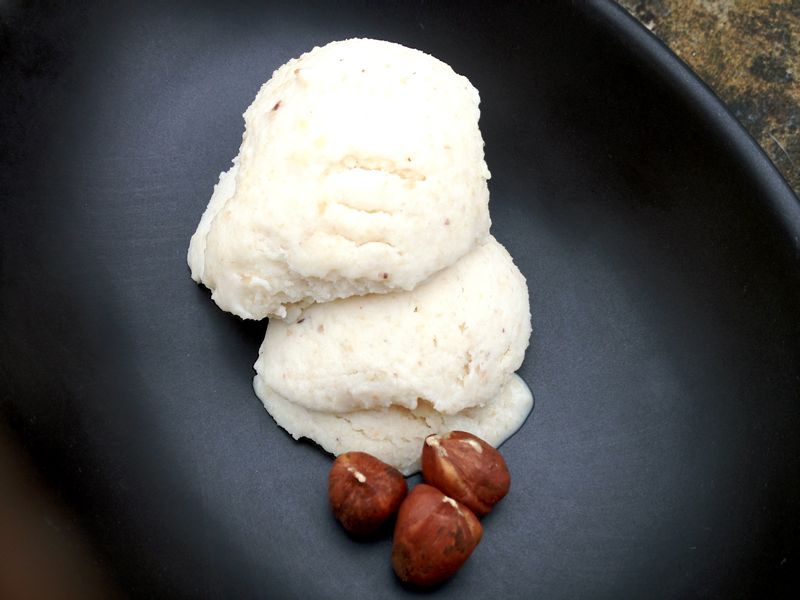
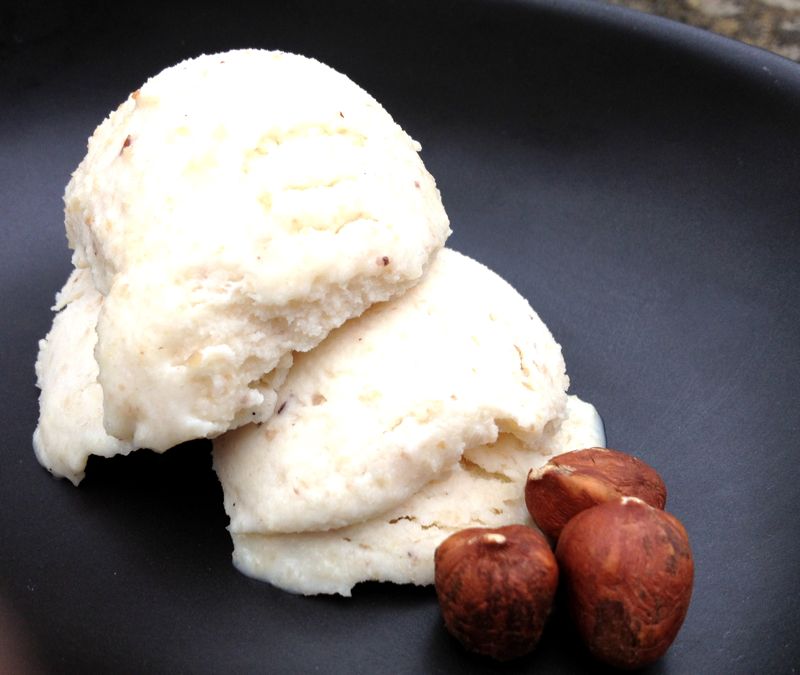
This is the grown up glamourous sibling of that childlike doughnut dip. Icy cold, nutty and sweet, it’s as sophisticated as chocolate spread gets. It’s delicious, but very rich and a little goes a long way but the whole thing is preserved by freezine so you can dip in and out every time you get the craving. I plan to serve it on the side of the dark chocolate sorbet as a real contrast or as an ice crem sandwich so you still the Nutella on toast vibe. I’m even more baffled as to why I’ve never seen a white chocolate version before. It’s converted me to what I always thought was kids’ chocolate!

White chocolate Nutella sorbet


Ginger and Marmalade Flapjacks

When I first started baking three or four years ago I started out with flapjacks, having heard they are so simple you can even let the kids make them. They sounded foolproof. I quickly proved that wrong with several batches being so bad even the local birdlife passed them over in favour of some fried chicken bones on the path. Reminded to never to make my ungrateful feathered friends those lard and seed things Blue Peter used to tell me about, I have been in a sulk with flapjacks ever since.

An impromptu visit to The Beanery in Loughborough Junction the other day piqued my interest again with their delicious ginger flapjacks. The warm tingle of ginger lifted the oats nicely, but made with that American upstart corn syrup instead of good old British golden syrup, they lacked the stickiness I crave in a flapjack. There was nothing else for it but to try and make my own. I decided to use syrup and add the gooey-ness of a blob of homemade marmalade to really give my teeth something to sink into.

Excited by this flavour combo, but still nervous there would be a repeat of the Massive Crumblings™ of yore, I needed a failsafe recipe and safe hands. I turned to Felicity Cloake and her Perfect series, reading her recipe and all the comments from flapjack lovers underneath. It looked promising.

Ginger and Marmalade Flapjacks (adapted from Felicity Cloake’s recipe)

  • 150g salted butter
  • 3 tablespoons golden syrup
  • 2 tablespoons dark muscavado sugar
  • 3 tablespoons marmalade (pop a bit more in if it’s very coarse cut)
  • 4 teaspoons ground ginger
  • 250 g porridge oats
  • sliced stem or crystallised ginger

Line a tray (I used a 23cm by 23cm one) with greaseproof paper and preheat the oven to 150℃. Melt the butter, sugar and golden syrup together until bubbling gently, then add in the marmalade and as soon as it is melted, take off the heat. Put the oats and the ground ginger and sliced ginger in a bowl and add in the butter-syrup mixture, stirring well. Once you’ve marvelled at how seemingly healthy oats soak up butter like a hungry sponge, spread the mix out in the tray well, making sure you fill the corners properly. Bake for 25 minutes. I took mine out when they were still a bit anaemic looking but they darkened as the residual heat cooked them a bit more outside the oven.

Cool for about 5 minutes, then cut into pieces. I got 9 ‘I’m going on a ten mile hike’ sized chunks or 16 ‘just a mouthful ones’. I then on Felicity’s advice left them to cool completely in the tray to stop them falling apart when lifted out. The wait nearly defeated me but I was rewarded by a nice symmetrical traybake which was delightfully firey with ginger and tangy with marmalade peel and slivers of candied ginger. Best served with a cup of good strong tea, they will theoretically keep well in an airtight container, but bolstered by my first ever flapjack success, I failed to have any notable leftovers. The flapjack jinx is over!

Brixton Marmalade

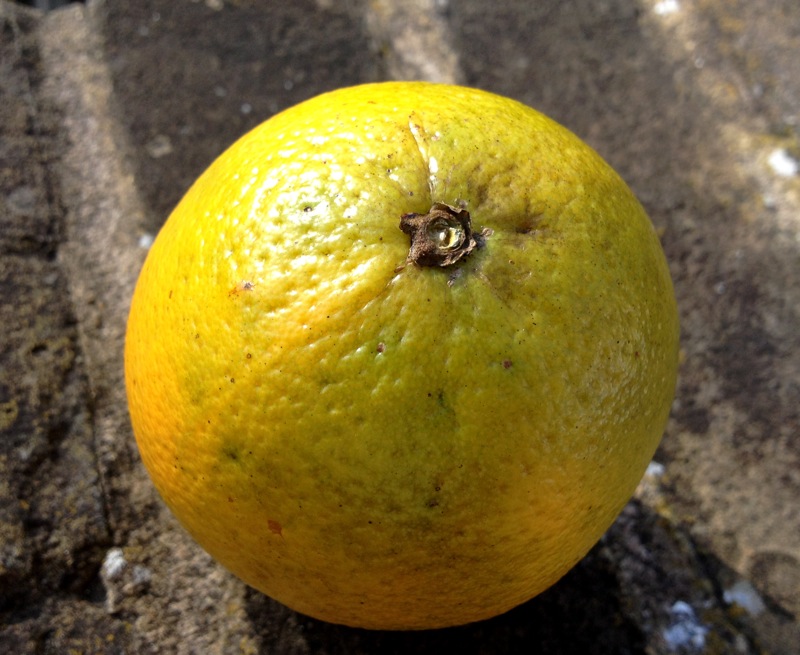
Walking through Brixton Market is a riot of fresh fruit and vegetables of all colours. Some are familiar, but sometimes your eye is caught by something you don’t recognise, which is exactly what happened when I saw green oranges on many of the stalls. Some questioning and Googling later, I realised these are Jamaican oranges and not just the colour is different. They are thinner skinned than the peeling sort like Jaffas we are used to in the UK with plenty of pith and pips and a bittersweet flavour. I knew immediately that they would make the most fabulous marmalade…

I was sure I didn’t really like marmalade after one too many single serve portions of Golden Shred in a B&B. Sickly sweet instead of tangy and tasty, the commercial version leaves a bad taste in my mouth. Determined to overcome this dislike, I decided to try making my own and see if I could be convinced. Not only was I won over in abundance, I’ve become slightly obsessed, making pots and pots of the stuff from every citrus I can get my hands on, entering the World Marmalade Awards and slathering it on doorsteps of Wild Caper sourdough like there’s no tomorrow. The homemade stuff tastes amazing and is incredibly cheap and easy to make. You’ll never look back.

To make 2 large or 4 small jars you’ll need:

  • 800g of Jamaican oranges (about 4 in total)
  • 1 lemon
  • 3 pints of water
  • 1 kilo of sugar
  • 2 tablespoons rum
  • jars, empty and well washed
  • muslin cloth (look in the baby section for these cheaply)
  • length of string
  • cellophane jam jar covers, wax covers & elastic bands
  • two saucers or a food thermometer

The marmalade is very easy, but it does take several stages and needs to left overnight. Don’t be daunted though!

Start by cutting the oranges in half and juicing them. You should get about half a pint from this amount of oranges. Reserve the juice in a jug. Keep any pips you came across and soak them in water. Then chop your orange shells. Pull the most fibrous flesh out and then cut the peels in chunks of your choosing. I like my marmalade quite thick cut for flavour and ease of prep, but it’s your choice.

Soak the peels overnight in about 2 pints of water until it turns orange and smells delightfully citrus scented. Bring it all to the boil and then simmer for up to hours or until the peel is soft and squishy, but not pulpy. Add in a bit more water if needs be.

Iron your muslin cloth (and cut it to be smaller if needs be) and gather the reserved pips in it like a purse, tying to the handle of the pot so it hangs down into the boiled peel mix. They contain extra pectin that helps set the marmalade. Turn the oven onto 160℃ and put the jars in, using a baking tray rather than trying to grab individual hot jars with oven gloves and feeling like you’re playing a game fit for particularly sadistic PTA fundraisers. Get your thermometer to the ready if you have one or put your saucers in the freezer if you don’t.

Add the reserved orange juice to the mix, pour in the sugar and the lemon juice and bring the pot back to the boil. This is the stage when you work your magic and turn the mix into marmalade by heating it to 104℃ exactly. The thermometer will tell you this with ease, but you can also tell by spooning a drop or two of the boiling liquid onto a cold saucer, leaving for a sec and testing it with your finger to see if it ‘wrinkles’ when pushed. If it does, you’ve reached 104℃ and if it doesn’t, keep trying with alternate chilled saucers til it does.

Take the pot off the heat immediately. Add the rum (or ginger if you prefer a teetotal kick) and stir well. Leave the marmalade to sit for a minute or two to stop the peel sinking in the jars and then carefully fill the jars you’ve just taken from the oven right to the brim. Both the jars and the marmalade are obviously devilishly hot so keep your wits about you and any small children and pets away. Cover with the wax circles from your little kit.

Allow the jars to cool just enough to handle, then wet the cellophane lids well with a clean washing up sponge and stretch tightly over the top of the jar and fix with the rubber bands. This is fiddlier than you’d think and there may be some sailor’s language to accompany the rum. Let the marmalade cool completely and set before digging in and sampling your handiwork.

You’ll be amazed. It’ll be punchy with citrus and a slight hint of smooth rum with each peel exploding into little chewy nuggets of deliciousness. You won’t be able to stop yourself having a second (or third) slice of marmalade smeared bread, but if you can bear to part with a jar of it, your boss will understand why you are late for work now breakfast has become the highlight of the day again!

Jamaican green orange

* This post originally appeared on Brixton Blog who kindly asked me to write a local recipe and is re-posted here due to popular demand.

Chilly Philly: Chocolate cream cheese ice cream

 Cadbury Philadelphia cream cheese ice cream

 As I’ve mentioned before, I very rarely eat cheese. I like it, but rarely buy it because it’s expensive and Brixton doesn’t have many choices to buying small amounts of cheese rather than family sized blocks so I get bored of eating the same kind quite quickly. But the one thing I never tire of is cream cheese. I’ve always got a tub in the fridge because it is delicious and versatile and goes with Ryvita like nobody’s business. Therefore it was inevitable as a cream cream obsessive that I would be lured into trying the new Cadbury’s chocolate and Philadelphia combo pretty much soon as it came out.

And I quite liked it. It made a nice change from Nutella, but I would have liked slightly more lactic tang from it and less flat sugariness, but considering how sweet all processed food is these days, I guess I should be glad there was any type of cheese taste to it at all. I had some on Ryvita (quelle surprise) and liked it with the saltiness, but found it a bit flat with digestive biscuits. I found myself with more leftover than I expected and wondered what to do with it. I thought back to the Veda Bread ice cream I made which was originally made with a cream cheese base and knew exactly what to do with that second impulse purchase tub.

Chocolate Philadelphia Ice Cream (adapted from David Lebovitz’s The Perfect Scoop)

  • 250ml whole milk (I use Jersey)
  • A pinch of salt
  • 100g sugar
  • 1 tub of chocolate Philadelphia (160g)
  • half a large bar of dark chocolate (I used Lindt 70%)
  • 500ml double cream
  • 5 large egg yolks
  • 1 teaspoon pure vanilla extract

Heat the milk gently in a pan, adding in the cream and the sugar and dark chocolate and stirring until everything is melted, then add in the chocolate cream cheese and keep stirring until that melts. Make sure the mixture has come back up to heat, but is in no danger of overheating or boiling and then temper the egg yolks by adding a cupful of the chocolate milk mix to them. Mix this in and add the yolks to the pan and stir until the custard thickens enough to coat the back of a spatula. Add in the vanilla extract, cover the bowl and place in the fridge to cool (overnight preferably).

Next day, you should have had the thickest creamiest chocolate custard you can imagine. Churn in your ice cream maker for around 30 minutes or as described in the instructions. (I have a machine, so cannot be sure if you could make this without one. Worth a go though!) Serve when ready.

And marvel at how delicious this is. The extra chocolate adds the slight bitterness and tang the original product needed to be more grown up and you definitely get a different taste to a regular chocolate ice cream from the cream cheese. This is very rich but surprisingly grown up. I definitely preferred it to the cream cheese on its own, thus proving no matter what the question is, ice cream is the answer!