Potatoes with fenugreek & lovage; onion & lovage bhajis on the side

Ah, lovage. Blessed with the kind of name which conjures up images of old-fashioned English cottage gardens, nestled next to lavender, it was a herb I’d heard of but until last year I’d not cooked with, until Deanna Thomas gifted me with a generous bunch from her garden. You rarely see it for sale so it’s a herb best used from home-grown if you can manage to source it from a friend, or nurture your own. By all accounts it grows voraciously, so if you do have a patch, you may wonder how to use it up.

When I did start to use it, I was initially thrown by how to play to its strengths. I was delighted and confused in equal measure by its curious ‘curry meets celery’ characteristics… a robust savoury flavour, and it holds its shape and body better than parsley, but I couldn’t find many recipes which excited me. Last year I made an experiemental lovage pesto, served with grilled sardines and lemon juice, but the rest of my stash went into the stockpot and I never felt I’d taken full advantage of its full potential.

This year I was determined to make the most of lovage’s late spring delights, and thought it might work well with some south Asian flavours. A quick look online referenced ajwain seeds in Indian cooking, but despite common misperception these aren’t the same as lovage seeds. Despite not finding a great deal of precedent, I didn’t think I could go far wrong, so on a wet midweek evening last week I got busy in the kitchen for an hour, making a hearty veggie meal for myself and a mate who’d dropped round. Few things counter the soggy evening blues better than grinding your own spices and making something with a touch of spice.

The fenugreek & potato dish has become a firm favourite over the last six months, fuelled by a discovery of fresh fenugreek (alternatively labelled ‘methi’). As mentioned before, I’ve been inspired by Anirudh Arora’ recipes in ‘Food of the Grand Trunk Road‘ and one recipe which leapt out was Aloo Methi Ka Saag. It’s quick and easy compared to many of the recipes in the book, and it’s healthy and good for veggie guests.

I’ve always loved saag aloo, but was really intrigued by the inclusion of fresh methi in this take of a simple classic. Fresh fenugreek has small ovoid leaves and a mild aroma, and can be found in many asian groceries. However it seems to wilt incredibly quickly, even if kept in the fridge in water, so I’ve found it’s best to make this on the day of purchase if possible. You can wash and freeze the leaves: though it seems to tone the flavour down at least it’s a good fallback if you fancy a quick fenugreek hit.

However – and I’ll try to be delicate here – I’ve discovered that fenugreek does have a peculiar ‘characteristic’ which means you’re likely to be reminded of it for a day or two after consumption. Somewhat like the effect asparagus has on some people, the malodorous qualities are longer-lasting and tend to permeate from a variety of regions. It seems this is a common side-effect, and is known on mother and baby forums as fenugreek seeds are used for stimulating milk supply. Not sure I make the connection with maple syrup though…

Finally, I’ve had my cockles warmed by the hitherto unknown delights of panch phoran – a Bengali five spice mix – thanks to Rice & Pickle’s mango pickle recipe she posted a few months ago. Days after reading her recipe, while the name was still fresh in my mind, I stumbled across a pack of this mix in Unicorn, and have been adding it to dishes ever since. As it contains fenugreek seeds it has a particular affinity to fresh methi, and has proven itself to be another reliable addition to the larder shelves.

Over the years I’ve tried a few different recipes for onion bhajis, but have found this from Daxa Dashani on the BBC website is reliably reproducible. However I tend to increase the amount of onion in the recipe, using a couple of decent sized onions to add more bulk. I also dry roast and then grind the panch phoran, adding it to the mix before letting the batter rest. Instead of the spinach in the recipe you can substitute this for other greens: earlier this spring I used wild garlic, and here I used lovage leaves, chopped roughly. This recipe makes around a dozen bhajis, depending how generous you are with the mix. Make sure you drain the bhajis well after cooking, sitting them on kitchen paper or napkins to remove any excess cooking oil.

The final dishes were great (and disappeared in no time between two hungry lads): the lovage gave an extra savoury depth to the bhajis, but was less obvious in the aloo methi. I used a scotch bonnet chilli in the aloo methi, but cautiously removed it before serving. As I’d used smoked paprika rather than chilli the spice flavour was more muted than when I’ve made this previously, so I served it with some hot sauce on the side. A breezy fresh salsa or a fiery lime pickle would be an even better choice.

Best served with some raita, a chutney (which I overlooked on this occasion…doh!) and a glass of good Indian Pale Ale. Fast, fresh and healthy!

Potatoes with fenugreek and lovage
(based on a recipe by Anirudh Arora)

  • 3 bunches of fenugreek
  • 1 handful lovage leaves
  • 30ml vegetable oil
  • 1 teaspoon cumin seeds
  • 1 tablespoon panch phoran
  • 1 teaspoon freshly ground coriander seeds
  • 1 teaspoon smoked paprika or chilli powder
  • 1/2 teaspoon freshly ground black pepper
  • 2 green chillies or 1 scotch bonnet, sliced into lengths
  • 1″/2.5cm length of fresh ginger root, peeled and chopped
  • 8-10 new potatoes, sliced… or several larger potatoes roughly diced
  • 1/4 teaspoon turmeric
  • 1 teaspoon sea salt
  • juice of 1 lemon
  • a decent squirt of tomato purée
  • 1/2 teaspoon garam masala
  • Coriander leaves to garnish
Remove the methi leaves, then wash well and chop. Dry with kitchen paper and leave to one side.
Heat half the oil in a wok and add half the cumin seeds until they snap, crackle and pop. Add the methi leaves and stir until they start to wilt down, then remove and set aside to cool.
Add the rest of the oil and heat, adding the rest of the cumin seeds. Once they start to crackle, chuck in the ginger and chillies and sauté well for a minute. Add the coriander, salt, turmeric and chilli/paprika, stir and cook down for a couple of minutes, then add the spuds. I tend to turn the heat right down and cover the wok, letting everything cook through slowly for 10-15 minutes until the potatoes are just starting to give.
Stir through the tomato purée and cook for a further few minutes, then add the freshly squeezed lemon juice and the garam masala. Finish with a garnish of chopped coriander leaves, and enjoy.

In praise of fat…

Our ancestors were afraid of many things they didn’t understand, conducting many a witch hunt and seeking out scapegoats. We like to think we’re different with our knowledge and scientific skills, but we do the same today. But instead of women with cats, we’ve gone after fat with a flaming pitchfork for the last forty years, pushing it off our plates and yet seeing it on our bodies more and more.

We’ve all heard the theories from Ancel Keys to the French Paradox to Paleo eating or Atkins around whether we should eating fat or not and its enough to make your head spin. We’ve certainly been sold the idea that low fat is better and products modified to fit that category are now abundant on our shelves to the point where it’s almost impossible to buy yoghurt that doesn’t say 0% on the label.

Some of that demonisation of fat has rubbed off on me, compounded by developing gallstones at the age of 18. Fatty food became my nemesis and a slice of cheese or side portion of chips could leave me in so much pain I ended up in A&E. Things didn’t improve much after I had my gallbladder removed and I was put on a low fat diet by my doctors to try to ease the discomfort. Fat was forbidden and I was encouraged to learn the fat content of all the things I ate. I dreamed of butter and triple cooked chips and I’d have sold my soul for whipped cream.

My gallbladder issues resolved slowly and I was allowed to re-introduce fat back into my diet gradually, but I remained suspicious of it as if it might strike back at any time. Learning to cook allowed me to experiment and see that fat wouldn’t attack me over the plate and I began to shake over that guilt from the food industry a bit. But the turning point came when my food budget shrank and I had to re-embrace the thrift that my grandmothers might have employed in their kitchens.

The cuts of meat I was eating were fattier and as well as being flavoursome, they left a legacy of bones and grease that could be used to add interest to soups and stews without adding actual meat. I discovered that preciously hoarded bacon fat could lift simple lentils into a feast or that lard rendered pastry perfect with little effort and that beef dripping makes Yorkshire Puddings the star of the show.

Soon my fridge became a shrine to solid animal fats. Along with blocks of butter, salted, unsalted and homemade to infuse with anchovies and herbs, there was creamy white lard, a jar of duck fat pinched from a friend, a kilner of goose fat treasured from the Christmas roast, schmaltz rendered down from each chicken I’ve cooked, bacon fat from the homemade rashers from Porcus and my own cure, beef and pork dripping bought from Morrisons, pork fat from those belly slices over the months and the cupboard always contains proper suet for dumplings. (I’m also envious of Mister North having used caul fat earlier this year.) Because these fats have to be melted down to use them and are packed with the taste of the place they came from, I find I use less than I did of vegetable oils and yet enjoy them more.

I also find they sate me and my hunger is less rampant. I’ve started buying full fat versions of dressings, mayonnaise and yoghurts where I can (don’t even start me on the slimification of the humble yoghurt) and without commiting to anything as rigid or faddy as Atkins, my appetite has stablised and by desire of to snack has eased. My body has changed shape for the better and I feel contented with my food. I’ve also saved money and waste, making my small shopping budget stretch much further and having to empty the bin less.

Fat has become my friend and few things thrill me more than seeing all those jars and blocks in my fridge and deciding what to use today (although the day I finally get to render my own lard according to Shu Han’s amazing instructions will knock it into a cocked hat). I feel that everytime I use a proper solid fat, a margarine fairy loses its wings…

Breadfruit Caesar Salad

Breadfruit caesar salad

I was lucky enough to be offered a cookery masterclass at the hottest restaurant in South London, Bubba’s in Tulse Hill, a few weeks ago. Kitted out in proper whites and everything, I had the undivided attention of their Michelin trained chef, Anthony Cumberbatch who spent several hours talking me through a multitude of Caribbean classics and ingredients.

While the curry goat and oxtail stew simmered, I sampled the menu in the restaurant, loving every minute of the jerk pork belly and the tender trio of fish and seafood with a rich spice crust. The fried plantain with ginger compote was so good I may have run my finger round the bowl when no one was looking. The staff were incredibly friendly and helpful and the portions were so substantial, I could only manage the (excellent) sorbet selection of mango, melon and pineapple after my meal even though the other desserts such as mango strudel or the exotic fruit plate sounded great.

Jerk pork from Bubba's Tulse Hill

Back in the kitchen Anthony showed me a ingredient I had never even heard of, let alone cooked, in the shape of a breadfruit. Starchy, yet slightly spongy, this fruit absorbs flavour brilliantly, making it a fantastic side dish. It was delicious fried up with some jerk spices and even more than the okra and the goat, I felt inspired to cook with it after the class.

Whole breadfruit

This warm weather cries out for salad and there’s few that I love more than a Caesar salad with a umami rich dressing and crunchy croutons. Still fixated on the breadfruit, I wondered if instead of my usual sourdough croutons I could deep fry some chunks of the fruit and scatter them over crispy romaine lettuce. I had a feeling I’d enjoy finding out…

Breadfruit Caesar Salad: serves two

  • 1 romaine lettuce
  • quarter of a breadfruit (most stalls in the market will cut it as required)
  • 5 tablespoons breadcrumbs (I used panko)
  • 2 tablespoons grated parmesan
  • 1 large egg, beaten
  • 2 anchovy fillets
  • Oil for frying (not olive)

For the dressing:

  • the remains of the egg from above
  • 1 egg yolk
  • juice of one lemon
  • 50g parmesan, shaved
  • teaspoon Worcester sauce
  • 2 cloves garlic (or heaped teaspoon garlic puree)
  • teaspoon capers
  • teaspoon mustard
  • 100ml olive oil
  • freshly ground pepper

Peel the knobbly skin off the breadfruit and remove the inner seeded core. The flesh should be slightly spongy but not soft. Cut into inch chunks and then dip in the beaten egg and then dredge in the breadcrumbs and parmesan until coated. Double dip if you like it really crispy and then fry in hot oil until golden brown and crunchy all over.

Mix the lemon juice, worcester sauce, smushed up capers and garlic and mustard together, add in to the remaining egg (this gets round the fact one egg is always too much when breadcrumbing things) and the egg yolk. Then pour in the olive oil as you would to make a mayonnaise and whisk until emulsified. If it doesn’t thicken, add a blob of mayo instead of panicking.

Drizzle the dressing over freshly washed romaine lettuce, chopped anchovy fillets (leave these out if unlike me you aren’t a member of Anchovies Anonymous) and slivers of parmesan and then add the crispy crunchy croutons. Add a bit more dressing for luck and plenty of pepper and tuck in.

The breadfruit is fluffy in the middle and gorgeously golden on the outside, like the perfect crouton combo. It works extraordinarily well with the anchovy rich dressing and the savoury parmesan. If you use just the parmesan or sub gluten free breadcrumbs you can still eat Caesar salad if you’re gluten intolerant. Try adding more capers and some nutritional yeast to substitute the Lea and Perrins and anchovies if you don’t eat fish. This meal is so good you’ll be serving it to everyone. In fact, it’s good enough to go on the menu at Bubba’s in my opinion!


Michelada Peri Peri Poussin

Michelada peri peri chicken

It was sunny yesterday and it looks like it might remain so for an hour or two more. I was desperate to get the barbecue out and use it for the first time all summer and do some classics like beer can chicken and grilled sardines, but cautious of this ever changing weather this summer, I decided not to risk something that might take a couple of hours and decided to beercan a poussin instead.

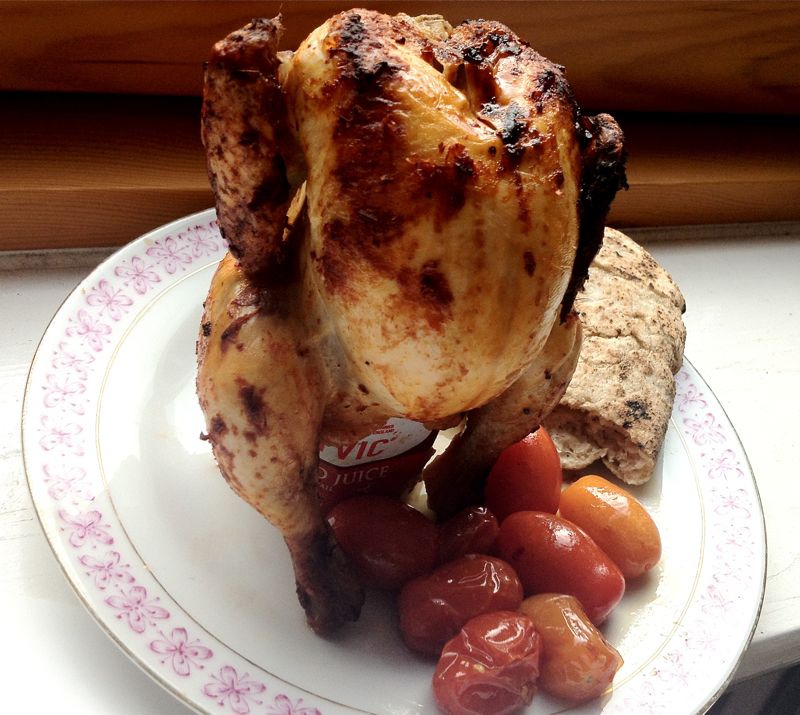
Quick thinkers will have realised that a poussin is a petite bird and that the average beercan won’t fit inside it, which is how michelada poussin came about. I rather like a pre-dinner drink and often keep cocktail sized cans of tomato juice so I can have a Bloody Mary. These looked like they’d fit a poussin perfectly. Worried that the tomato juice wouldn’t give enough steam, I replaced half of it with a can of Red Stripe. I then carefully wedged the can inside the bird and marinaded with homemade peri peri sauce before cooking a few hours later.

I didn’t actually get to cook my poussin over the barbecue as my neighbours decided to throw a raucous party with a full on sound system that drove us all indoors with the windows shut, but I was delighted to see that you can still beercan a bird in your oven with a minimum of hassle!

Michelada Peri Peri Poussin: one poussin serves one person and amounts are for one bird

  • 1 poussin
  • 1 teaspoon peri peri sauce
  • 1 teaspoon tomato puree
  • splash vinegar (anything except malt)
  • drizzle of oil
  • 1 cocktail sized can of tomato juice, half and half with beer
  • 1 pair of latex gloves

First make your peri peri sauce. It’s easier than falling off a log and it’s brilliant because you can add as much heat or flavour to it as you like giving you the chance to experiment and customise

Peri Peri Sauce:

  • 8 large red chillies
  • 2 scotch bonnets
  • 4 cloves roast garlic
  • vinegar (not malt) to loosen
  • juice of 2 lemons
  • 1 teaspoon smoked paprika
  • 1 teaspoon ses salt
  • two sprigs fresh thyme

Roast all the chillies until blackened and blistered. This should take about 25 minutes at 200℃. Make sure you wear latex gloves and once the chillies are cool enough to handle, top and tail chop the red ones finely. Remove the seeds from one of the scotch bonnets. Then put everything in the blender and blitz until a thick puree. Add in the lemon juice and enough vinegar to make the consistency like a thick ketchup. Pour into a sterilised jar and keep in the fridge. It’s pretty hot, and fairly addictive, especially used raw, cooking mellows it to a pleasant tingle.

To do the poussin, pour half the can of tomato juice out and top up with beer. Wedge the can up inside the bird so it is literally perched on it. Mix the peri peri sauce and tomato puree with a splash of vinegar and oil to make it loose enough to rub over the bird. Make sure you wear latex gloves to do this and work the marinade into all the nooks and crannies and leave to soak in for an hour or two.

To cook, either use your kettle barbecue with the coals on either side and the poussin in the middle to cook indirectly for about 30 minutes before giving the skin a crisp up over the heat or pop in the oven on a tray to cook for 40 minutes at 180℃. The liquid inside the can steams the poussin as it cooks so the meat is super succulent and the vertical roasting means all the skin is equally crisp. I kept it simple, roasting a few tomatoes in the tray under the bird as a side dish to soak up the juices.

Once the bird is done, set to one side to rest, making sure there is a tray or bowl to catch the juices. Ten minutes will make it even more juicy and delicious and more to the point allows the can to cool enough that you can pull it out to make the poussin easier to eat. Dust the skin with some sea salt and then sit down to perfectly poultry.

The meat is so juicy, you need some flatbread to soak it up, but as you pull the legs and wings off it’ll be dripping down your hands too. Don’t miss a morsel of the meat and revel in the good proportion of skin to meat compared to a normal chook. There’s something incredibly decadent about a whole bird to yourself and it gets round the who likes what bit dilemma nicely. I found one whole poussin and some flatbread was incredibly filling, but utterly indulgent and delicious. It didn’t stop me wanting to demolish a second crispy skinned spicy little number…


West African Inspired Mussels and Chips…


West African inspired mussels and chips

Much and all as I love summer, the months without an ‘R’ in curb my ability to eat shellfish as much as I’d like. So thank goodness for the humble mussel which can be eaten all year round. I love them in the summer as a light simple supper that doesn’t need much standing over a hot stove (normally because of the high temperature outside, but this year so it doesn’t cut into my watching TV under a blanket time…)

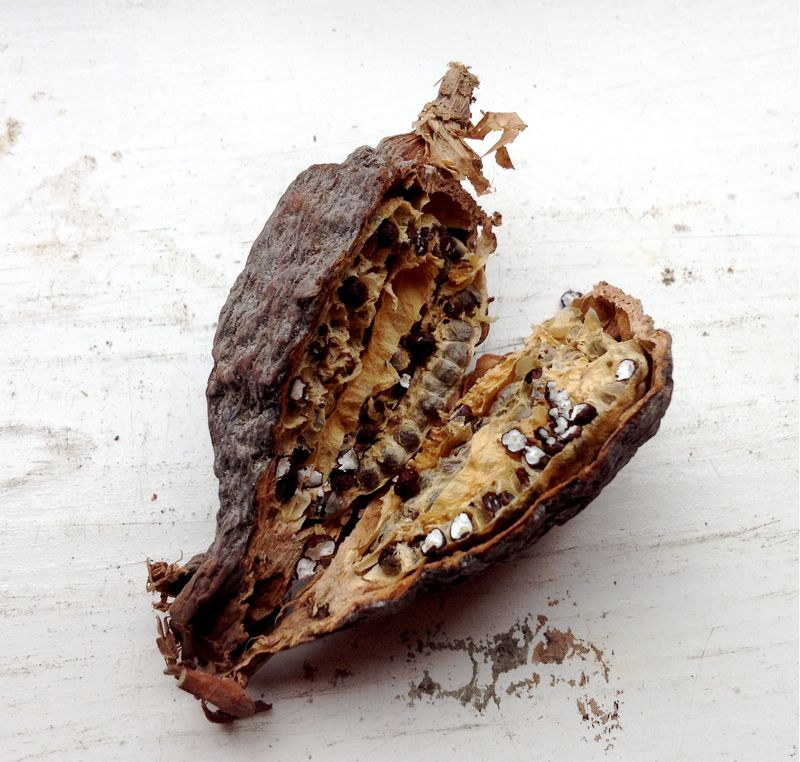
The French style is most common with mussels and although I love it, I wanted something a bit fresher and punchier.  Some fat scarlet tomatoes from O Talho caught my eye on the way back from Dagon’s and I’d just picked up some picture perfect red chillis from the Wing Tai Asian Supermarket. But as well as the warmth from the capsicums, I wanted some tingle and my mind went to the pod of alligator pepper a friend had gifted me after we shopped in the Village one Saturday.

Alligator pepper pod

Highly prized in West Africa, especially Nigeria where the Yoruba incorporate it into naming ceremonies for babies, this pepper comes in a dry pod that looks like an alligator’s back and has a warm bite of pepper mixed with a slight hint of cardamom. I’ve mainly seen recipes for it involving fish and tomatoes so I knew it was likely to work with my mussels. I have no idea how authentic this might be though…

West African Inspired Mussels and Chips: serves 2 comfortably

  • 1kg bag mussels
  • 1/2 pod alligator pepper
  • 2 banana shallots or small onion
  • two handfuls of cherry tomatoes
  • 1 red chilli or 1 tsp hot sauce
  • 150ml water
  • 2 tsp oil
  • 4 sweet potatoes

First clean your mussels well. Pull the beards from them and discard any that are already open and that don’t close when tapped or that are broken. Leave them to soak in cold water to clean out any grit while you turn your attention elsewhere.

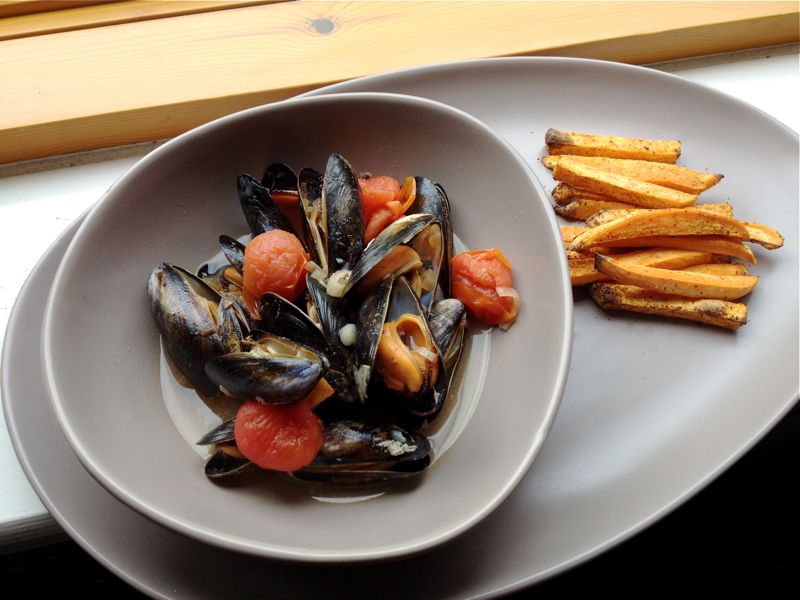
Heat the oven to 200℃ and then peel your sweet potatoes. I used orange fleshed ones from the supermarket. Cut them into chips, making sure that they are all roughly the same size and thickness so they cook evenly. Toss in a light coating of oil and then cook. I used a mesh tray like this which cuts the cooking time and washing up, but you are using an oven tray, they’ll take about 25 minutes.

About ten minutes before the chips are ready, finely dice your shallot and cook in a small amount of oil on a moderate heat until softened but not coloured. If using the chilli, cut finely and add to the shallot. Keep the seeds in if you want more heat. Then take the alligator pepper pod and scoop the seeds out and grind them in a pestle and mortar before adding to the shallot and chilli to cook out slightly. Cut your tomatoes in half and add to the pan. You don’t need any extra seasoning.

When the tomatoes start to collapse slightly round the edges, add in the cleaned wet mussels to the pan. Pour the water on top and put the lid on and cook for about 3-4 minutes or until the mussels have opened and the tomatoes are thickening the juices. Take off the heat and leave the lid on while you dish up the sweet potato fries on a separate plate. Then serve the steaming hot mussels in bowls with a good amount of the tomato rich liquor and then dig in.

The best way to eat mussels is to use the empty shell to pick the meat out of the next. Discard any mussels that haven’t opened and enjoy each flavoursome mouthful as the warmth of the chilli and alligator pepper builds a tingle on your lips and the pile of shells grows. Best eaten with a ice cold beer, a roll of kitchen paper and some non judgemental friends to hand!


This post first appeared over at Brixton Blog celebrating all our lovely local shops.