Finished potato apple bread

Potato Apple Bread

Finished potato apple bread

I grew up on apples and even though more fashionable and fancy fruits have come along since then, none of them have replaced the apple as well, the apple of my eye. Our grandmother lived near County Armagh – with its world famous apple trees – and had an orchard of her own on the farm that produced beautiful Bramleys in abundance. A visit to her’s wasn’t complete without a slice of apple pie.

Another treat I remember when I used to stay with her in the school holidays was the Ulster classic of potato apple bread. Sheets of stodgy but delicious potato bread, filled with tart apple and fried til golden brown on the outside. It is a total treat at anytime, but particularly tastes of autumn when you could pick the apples freshly. It also used to pop up as a seasonal treat in the bakeries of Belfast as the leaves turned and the school year started.

I always thought it was a fiendishly tricky thing to make until I whipped up a batch of potato bread for the first time a few years ago and realised it’s as easy as falling off a log. It followed that the apple version couldn’t be much trickier. And after getting my hands on some Lambeth apples courtesy of Incredible Edible Lambeth and the London Orchard Project at the new monthly Make It Grow It Sell It market, the time had come to try it out.

Potato bread is traditionally made with leftover mashed potatoes, but if you manage to have leftover mash in your house then you’re a better person than I. Instead I peeled about 300g of Maris Pipers, boiled until tender, drained and dried well and added a knob of salted butter before mashing well. Don’t add milk or you’ll end up with something akin to babyfood with this recipe. The salted butter stops the potato being bland so don’t skip it.

Then add around 3/4 cup or 75 grammes of plain flour into the mashed potato and form a dough. You may need more flour ,depending on the wetness of your spuds. Mix well to form a stiff but malleable dough. Knead for a few minutes to firm it up and try to keep it moving all the time or it sticks to your surface and forms a gluey mess.

While you are making the potato dough, put your apples on to stew down. I like them fairly chunky so don’t chop too finely and don’t add more than a tablespoon of water to them while they cook. I don’t add any sugar as I prefer the tart tanginess of apple than the sweet applesauce vibe. You could add cinnamon or cloves if you like too, but I didn’t bother.

Take about a fist-sized lump of the potato dough and roll out on some greaseproof paper until it’s as thin as you can without it being difficult to work with or likely to rip. Then place on a plate and cover with your stewed apple, leaving a good lip round the edge. But don’t skimp on filling! Then roll out another fist sized lump of dough on the greaseproof paper and place on top of the appley bit and seal well with your fingers making an enclosed sandwich.

Slide into a well-heated oiled frying pan. Give it about 4 minutes either side, but keep an eye so it doesn’t burn. Potato bread seems to stay raw for ages and then cook completely before you’ve even realised. Once golden and gorgeous on either side, I like to eat it as quickly as the insanely-hot apple filling will allow without hurting yourself.

It works really really well. The slightly salted potato brings out the sweet tang of the apples and it makes a perfect breakfast if you fancy a change from standard tattie bread. You can also serve it cooled down for elevenses or an afternoon snack with a big mug of strong tea. There just isn’t a time it’s not utterly delicious. Just make more than you expected: everyone wants seconds of this one!

Roll up for rollmops!

You can tell I’m half Scottish. I love oats, raspberries are my favourite fruit and I never say no to haggis. But the real clincher is how much I heart herring. I adore rolled them in the aforementioned oats and fried or grilled with anchovy and herb butter, but nothing tops the rollmop. Shiny silver herring soused with onion, spices and cucumber in a handy pot? To me it’s a treat of such delight, I’d be more likely to pick up some pickled fish than chocolate if I wanted to cheer myself up…

So when I found myself with a spare kilner jar recently and espied some beautiful herring on the counter at Dagon’s in Brixton Village (just by Honest Burgers for those wondering) I knew the time had come to take the obsession up a notch and make my own rollmops. I got the fishmongers to fillet the fish and practically skipped home to get a-pickling.

I used this Hugh Fearnley Whittingstall recipe as a guide. I soaked the herring in brine for a few hours, which plumps them up beautifully but does produce a fairly unpleasant odour. So open a window if you can. I then sterilised a clean kilner jar in the oven, while I heated vinegar, allspice, peppercorns, finely sliced onion and dill in a pan. The truly revolting smell of warm vinegar will get rid of any fishiness in the house and made me wonder if I shouldn’t just go back to plastic tubs of soused herring in future…

But the satisfaction of rolling the fillets up, filling the jar with vinegar and herbs and spices and sealing it firmly with a snap won out and by the time the fish went into the fridge, I wasn’t sure if I can manage to wait three days for them to be ready. In the end, I got sidetracked by life and didn’t get to them for a week and they were very much worth the extra wait.

Plump as anything, soft as butter and well flavoured, I cut them with the side of the fork, watching them flake apart perfectly and served them on some lightly buttered sourdough from Wild Caper. They were one of those simple lunches that is in actually fact so good you can hardly believe how lucky you are to be eating it at home. Delicately spiced and super flavoursome, there was no contest between these and the usual shop bought.

I’d definitely use the splash of cider in with the vinegar next time as there was just a bit too much rawness to the vinegar for my liking and it clashed slightly with the soft sweet fish. (Do not go all health conscious and skip the sugar in the recipe. You’ll blow your head off otherwise.) Some cucumber would knock this out of the the park mixed in with the onion and I’ll use some homegrown tarragon instead of the dill, because I intend keeping a jar of these beauties in the fridge all the time now. A few minutes effort makes this a simple treat I can’t get enough of, especially served with some potato salad for an ultimate Northern European feast!

Lucky Number 7

Many of you will have seen the Seven Links initiative started by Tripbase but sweeping the blogosphere in general. It’s a great way to forge blog links (like a modern twist on the chain letter) and friendships across t’internet. It’s also a lovely reason to look back over your own archives and enjoy your achievements and interest. A bit like when you stumble across that box of letters and childhood nostalgia stored away when you should be tidying up…

Obviously North/South Food is a collaboration between me and my big brother, but while he was living up in the Languedoc I went ahead and selected my seven favourites to make up for not being on holiday. His might vary. We’ll try not to squabble so much we require a suitcase between us again like when we were kids!

Our most beautiful post: Forearmed and Fore-ribbed: Christmas Beef I love this one for the sheer beauty of that piece of beef, especially when accessorised with Mister North’s Yorkshire Puddings and those gorgeous Hassleback potatoes. The photos are fabulous. But the post is perfect for being a meal that our whole family shared.

Our most popular post: Marmalade Cake. The world is full of marmalade obsessives apparently and their lust for the Seville stuff (and my baking mishaps) mean that we now come higher on a Google search for ‘marmalade cake Nigel Slater’ than the man himself. It’s well worth a look if you’re a coarse cut fan yourself, although I preferred marmalade in ice cream myself.

Our most controversial post: Bloodlust six black pudding for breakfast. This one separated readers into two camps. Some thought offal was awful while the others pointed out there are more than six sorts of black pudding and offered to help taste them for us. Everyone admired our stamina though (and Mister North’s flagmaking skills!)

Our most helpful post: Duck or Strange Love. This one explains the mysteries of sous vide in the home and made everyone want to buy a slow cooker. It also made me love duck even more than I thought I could…

Our most suprisingly successful post: Veda Bread Ice Cream. This one was a surprise because it was mainly non Northern Irish people reading and lusting after this ice cream treat, despite not having grown up eating this amazing malt bread and being unable to get hold of it in England. This is how good Veda bread is. It makes people obsess over it.

Our most under-rated post: Posh Squash Nosh. Individual portion of soft squash filled with soft melting truffled brie seemed to pass people by at New Year. I presume you were on your broccoli and brown rice kick at that point because I don’t know how else you resisted this perfectly portioned treat.

The post I’m most proud of: Christmas Chestnut Doughnuts. So many personal achievements here. Successfully using yeast. Not setting the house on fire with burning oil. Using an icing syringe without sniggering. Increasing the calorie count of a doughnut even more. Making doughnuts an American declared the best they have ever eaten. Yep, I was pretty pleased with this one!

It’s been quite a treat looking back over the past 18 months of blogging at North/South Food and seeing why many of my pairs of trousers don’t fit just as well anymore. We were very kindly invited to take part in this by The Little Loaf. I’d like to extend our invite to some other great bloggers who keep me on my toes with their quality posts, passion for food and general loveliness.

Other Northern food fans:

Miss Cay

Lay The Table

The Greedy Girl

A former Northerner, now in London:

Marmaduke Scarlet

And last but not least:

The Vintage Cookbook Trials

Comfort and Spice

Even if you aren’t a food blogger, you’ve probably stumbled across Niamh Shields’ fantastic blog Eat Like a Girl with its mix of travel, food, great writing and strong personality. It appeals to everyone from die hard foodies to people idly pondering what to make for the one Sunday lunch they do each year. I’m especially fond of it due to the fact Niamh proudly references her Irish roots, never apologising for the cuisine of my youth and helps sate occasional pangs of homesickness.

So I’d been counting down the days till Niamh’s first cookbook Comfort and Spice was published. I had pre-ordered it on Amazon and then Quadrille very kindly offered us a review copy to see what other Irish folk thought. Even on the first flick through I knew I’d have been happy to pay full price for it. I can’t remember the last time a cookbook excited me so much.

It’s quite a small book compared to some of the stupidly large tomes we’re used to these days, but there isn’t a single filler recipe in it. Split into sections such as ‘Hearty Lunch’, ‘Simple Suppers’ and ‘Eight Great Big Dinners’ this is a book written by someone who loves food but understands the home cook and their concerns and costs. There’s no cutting corners on quality and an encouragement to make things from scratch with dishes running consecutively so you can shop wisely while leftovers are given their rightful place. There is no assumption that you have unlikely kitchen gadgets or an army of kitchen staff to wash up items that didn’t really need used.

And if that isn’t already a refreshing change that sells the book to you, wait til you see the recipes. Based round a combination of clever shopping and a good storecupboard, I was cooking from it within an hour of it arriving. Cauliflower soup with spiced butter tortelloni lifted this humble brassica into an evening event so good I forgot to photograph it.

Black pudding croquettes perked up some mediocre slices from the supermarket along with a rosti and some homegrown tomatoes. Ricotta pancakes made Monday morning a sheer joy. The soda farls tasted as good as the ones off my Auntie Georgie’s griddle. Ham salt makes the world a better place and I can barely wait til Christmas to do the spiced beef.

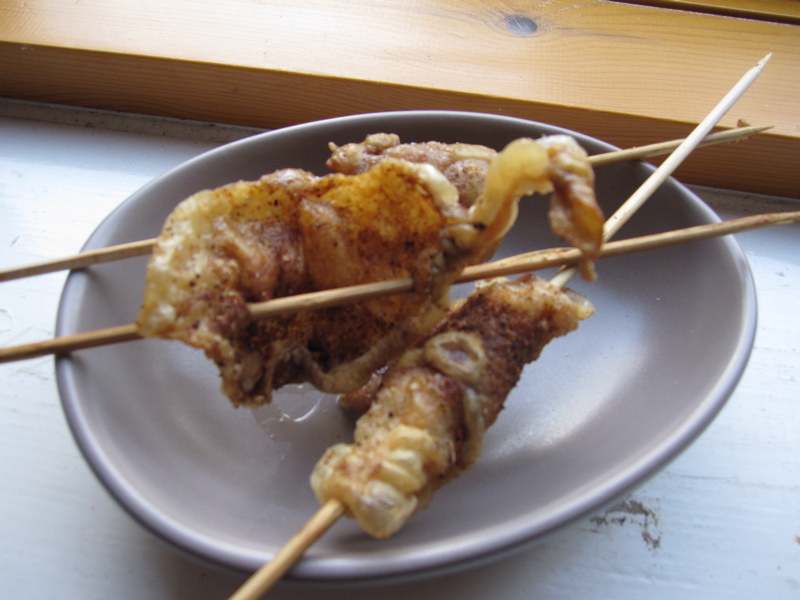
I have more recipes marked to try than not. I love the everyday luxury of the book with cook’s perks such as chicken skin skewers while the tasty practicality of two and six hour pork belly makes me want to invite the world to lunch. I can’t wait to feel the achievement of homemade butter and ricotta. It’s a book that speaks to all levels of cook from the novice to the expert and neither assumes confidence (or a vast spice cupboard of unheard items) nor patronises.

I just can’t think of anything I don’t like about it although if I was quibbling, I’d prefer a hardcover as my cover had greedy greasy fingerprints on it after the first goes. Beautifully written, brilliantly planned, I can’t fault it. Buy one immediately, bring the joys of chorizo on sticks into your life and let Niamh suggest all your meals for the next few weeks. You couldn’t be in better company!

Cassoulet: rabbit & pork to quicken the pulse(s)

We’ve written before on more than one occasion of our shared love for all things pulse and porcine. Pretty much every pork-eating culture in the world has at least one melt-in-the mouth classic which taps into both of these elements, exploiting the extraordinary harmony and symbiosis of flavour and texture which comes from such comfort food. These are truly made for each other, and it’s a massive favourite here with us at North/South Food.

Inspired in part by a great holiday to Languedoc (and armed with a few goodies on my return) I decided to make a semi-proper cassoulet as a way of warding off the rather autumnal weather which has blighted the north of England since coming home. Not a proper proper cassoulet (with all the regional rivalries that seems to stoke up) but my own interpretation. After all, it’s a genuine classic, and something I’ve never cooked before, so it was well worth having a go at…

I used my well-thumbed copy of Elisabeth Luard’s ‘Classic French Cooking as reference: her recipe for ‘Cassoulet de Castelnaudary’ seems pretty authentic. I deviated on a few occasions, perhaps most heretically by using rabbit rather than duck or goose. You see, I’ve had a bunny in the freezer for a few months, and coming home with a lovely artisanal French sausage, I thought something casserole-y would make for a perfect combination. After a bit of reading I warmed to the idea of cassoulet.

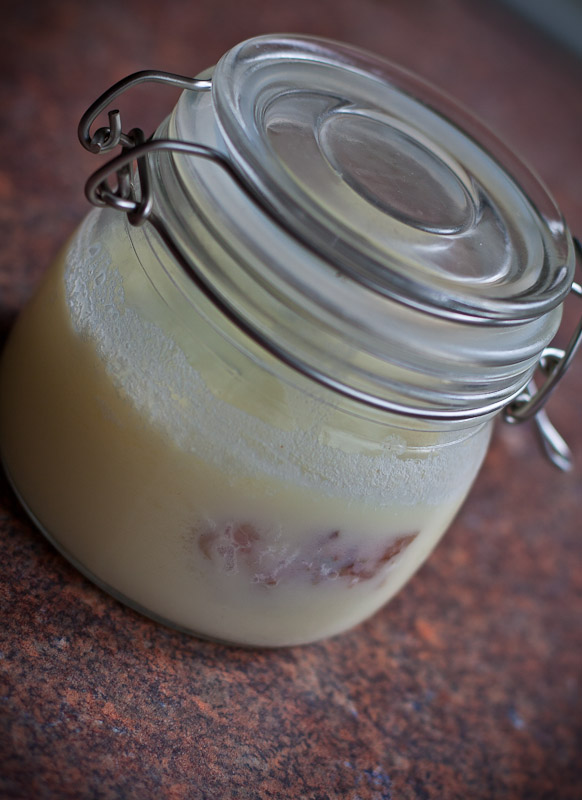
First things first, I had to make the rabbit confit. After a good defrosting I jointed the bunny… legs off and the body / saddle in three. I had some goosefat lurking in the fridge in a kilner jar (really not sure how long it was since I last cooked a goose but I decided to take the risk) and I had a tin of store-bought stuff as well. Tip: buy reduced-price tins of goose fat from supermarkets in the weeks after Christmas. It lasts for ever, and I’m sure you know just how good roast potatoes & Yorkshire puddings are, made with real goose fat.

I melted the fat down in a saucepan, then poured them over the layered rabbit joints in a stoneware pot. I’d also sprinkled salt over the meat (using wonderful fleur de sel from the Camargue), chucked a few peppercorns into the pot, and added a couple of bay leaves. Once the meat was covered by the warm, clear goose fat, it went straight into a pre-heated gas oven at the lowest setting, covered by tinfoil, and I left it overnight.

Next day a delicate aroma greeted me when I opened the kitchen door: inside the oven the meat had blanched and warmed through. very pretty looking too. I took out the legs, ate one of the other bits for breakfast on toast (chef’s perk!) and put the rest in a kilner jar, carefully covering with the fat. That was the rabbit sorted, now for the rest.

A quick trip to Stansfield’s in the market secured some belly pork (I got Paul to remove the skin for me) and some lean escalopes. I decide not to buy some fresh sausages, determined to subvert tradition and use the dried Aveyronnais saucisse instead. This is almost as heretical as using rabbit, but I thought the rich, fatty dry sausage would work well in such a slow-cooked dish.

So I diced the belly meat, and added it to the bottom of a cast iron Le Creuset (heretical decision #3… it should of course be cooked in stoneware but I didn’t have anything large enough). I opted for canned haricot beans over dried (life’s too short for soaking pulses) and added three tins of these, together with a couple of roughly chopped carrots, a bouquet garni, a red onion studded with cloves, and a head of garlic which I’d blackened quickly over a gas flame on the hob. Also in the pot went the rolled-up belly skin. Everything was covered with water, and raised to a rolling boil, before simmering for an hour or so.

After that was done I drained everything, reserving the cooking liquor carefully. I browned the rabbit joints in a heavy frying pan, then did the same with the lean pork and a couple of diced red onions & some garlic, letting them shimmer and glisten in the hot goose fat. I unfurled the pork skin on the bottom of the cast iron pot, and layered up the beans, veg and meats on top. A tin of plum tomatoes was ably accompanied by some home-grown toms, which looked as pretty as they tasted. As the ingredients stacked up I was worried by a deficit of beans to cover everything, so I added a extra tin of cannellini beans. Then I poured the cooking broth from earlier in until everything was just coated, lidded up and put it in the oven at gas mark 2 (150°C) for about two hours.

It was about then I realised that such a long cooking process was going to severely test my patience: the smell when I opened the oven was enough to make me want to gnaw my own arm off. However the next stages would mean it was some time before I could exepct to finally tuck in. After notching the oven up to 160°C the pot went back in, uncovered, to help develop a crust. This took closer to an hour as a fair amount more liquid had been drawn out of the tomatoes, but eventually there was enough of a crust for the next stage. I spooned some goose fat over the top, and broke the crust several times before adding a layer of breadcrumbs. Breaking the crust seems to be one of the defining differences between Castelnaudary and other towns in Languedoc which lay claim to cassoulet as their own. I opted to break the ‘croute’ seven times, as Larousse Gastronomique suggests this is the Castelnaudary way. Then back in the oven again to thicken up and cook for another half an hour or so. Cue more groaning stomachs – it was at this stage I cracked open some rather good anchovy-enfused Camargue olives.

We enjoyed this with a bottle of excellent Saint-Chinian red (sticking to the Languedoc theme) and some crusty white bread to soak up the juices. Dead simple, and all that was needed to really savour this dish. It tasted wonderful, and was well worth the anticipation and wait. Better still, as so many one pot meals do, it just got better over the next couple of days.

I’d give this 7/10 for adherence to tradition, but 10/10 for flavour. The sausage was excellent, adding a complexity and richness to the dish, and the rabbit was succulent and delicious. Sometimes traditions are there to be subverted! If this heralds the season to eat rich, slow-cooked one pot wonders, then I’m glad to wrap up warmer and take things slowly. Meanwhile I’ll be rationing out the goose fat from the confit for future cooking exploits… it’s a wonderful by-product of this dish. What’s good for the goose is certainly good for me…