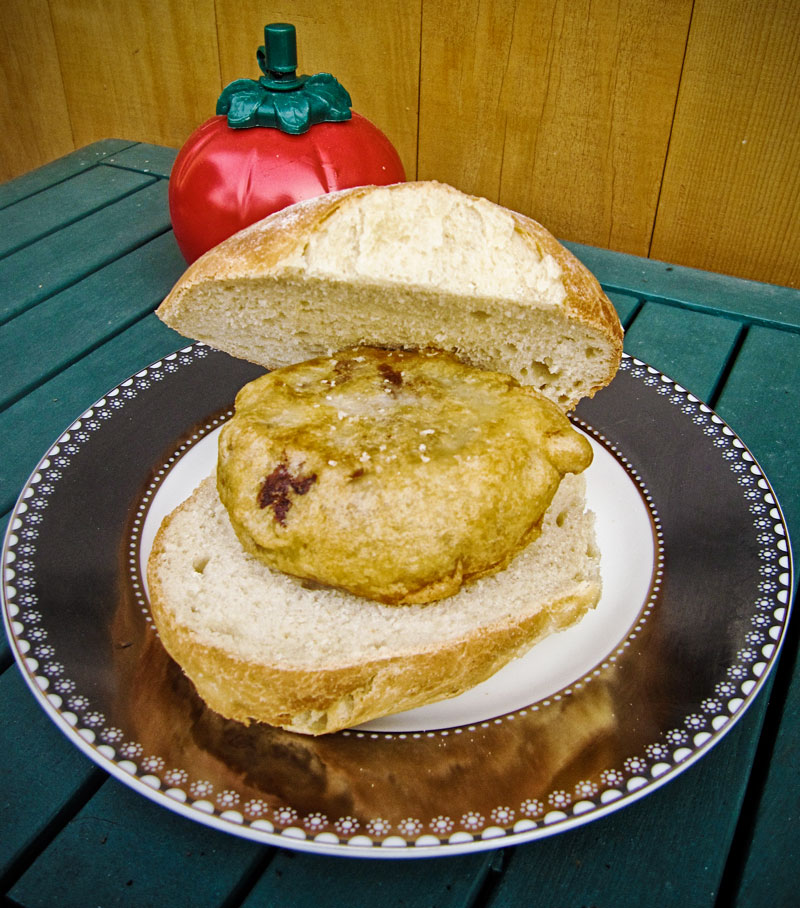
Wise yer bap… put pasties on them!

Growing up reciting the Lord’s Prayer everyday at school, it made perfect sense that we asked to be given our daily bread. Belfast is a city of bakeries and practically every meal, including our famous Ulster Fry, combines bread in some shape or form. In fact, the city even gives its name to the world famous crusty Belfast Bap.

Perfect filled with anything, mainly fried goods, this humble bread roll has an illustrious past. Invented by master baker, cross community pioneer and philanthropist Barney Hughes in the 1840s, it is credited with feeding the city during the Famine and ensuring it wasn’t as badly affected as many other parts of Ireland, paving the way for it to become one of the great industrial centres of the Empire, famed especially for shipbuilding, including the Titanic.

The Belfast bap is still baked daily back in Northern Ireland, forming the basis of many a meal. There’s few things that don’t taste better stuffed into a buttery Belfast bap. In fact, a crisp sandwich isn’t a crisp sandwich unless it’s Tayto Cheese & Onion on a proper burnt brown topped bap. But the ultimate Belfast meal is that stalwart of every chippie, the Pastie Bap.

Read more

A real split pea souper

Soup 1

I am not the shopping fiend I used to be. I can spend all day trekking up and down the West End and come home with nothing to show for it but slightly raised blood pressure and sore feet. But occasionally when I’m out I still make impulse purchases, which explains why last week, I came home from ‘just nipping out’ with a bag of pig’s trotters.

Dazzled by their cheapness and pinkness, I couldn’t quite resist even though I had no idea what to do with them. Then inspired by a conversation about soup with Mister North, I remembered this mouthwateringly porky potage in the shape of erwtensoep or Dutch split pea soup. Thick as a plank and designed to be packed with piggy goodness, the pig’s trotters would make the perfect base.

Well known for their tendency to toward the gelatinous (and good for them. The jelly in a pork pie is the best bit) I figured something as absorbent as a split pea could take the risk and it would simply thicken everything up nicely if the stock seemed a bit gloopy.

I was also swung towards this soup by the addition of celeriac. Another impulse purchase back in the summer at Homebase saw me buying ten tiny celeriac plants in a tray. I planted them out, expecting only about a third of them to take. Fast forward six months and my patio is a convention of celeriac. All ten are thriving. I have a forest of leaves and a lot of celeriac needing eaten. Adding some to the soup was a start.

I began the prep with the weirdest bit and gave the trotters a shave with a spare and unused Bic razor. Not only are they quite pink and unnervingly delicate with their little nails, pig’s trotters are quite bristly. These were Tamworths and the fuzz was decidedly auburn. Much and all as I love red hair, I don’t want it in my dinner…

Trotters attended to, I turned my attention to the veg, trimming, peeling and cubing. Nothing difficult, just a little bit of time and effort. In went a rather sad looking leek, a few carrots, the whole small celeriac, an onion or two and a good handful of celeriac leaves for depth. I basically halved the amounts in the recipe above. I layered half a cup of split peas on the bottom of my Le Cresuet, then put the trotters on top, along with a spare rib pork chop. You’d add in the pork ribs and the bacon about now if you had them.

Then pile your diced veg on top, adding the other half cup of the split peas to the top. The meat will be hidden and it’ll look like pure vegetable and pulses. I added a few leftover stock ice cubes from the freezer which I think might actually have been pheasant. You always seem to get a dead pheasant in Dutch still lifes. I figure it couldn’t go amiss. I then topped it all up with 3 cups or 750ml of cold water and brought it to the boil before turning down to a simmer and leaving well alone for about an hour. No stirring, no poking, no peeking. Just leave it and get on with life.

An hour later take the lid off and see how the water levels are. You’ll want to check the texture of the stock and loosen it up a bit if it looks too thick and wobbly. I added a splash of water and then left it for another two hours or until the peas had softened and swelled and started to break up. Don’t cook it until they are total sludge. When you leave the leftovers overnight, the peas will soak up the remaining liquid and thicken and if you overcook you’ll be left with concrete not soup. Fish the trotters out and discard (I had enough skin and gristle with the tail). Give the peas a quick chivvy with the potato masher to thicken everything. Marvel at how a bog basic pork chop has become soft strands of loveliness and get stuck in with your spoon.

I was aware that pork and pulses are a good thing. I was expecting to like the combo in this bowl of soup. I wasn’t expecting to fall completely in love with split pea soup. But one mouthful and I was smitten. Rich with sweet porky flavour, it was bursting with taste and both the stock and peas gave it a suprisingly silky texture. It was fantastic. I practically licked the bowl clean and wanted a second helping, but wow, this soup is filling. I compromised by having it for breakfast next day.

Embrace this sudden cold snap and make this soup immediately. Use any pork on the bone to make a stock or take the challenge and buy some trotters for you instead of the dog. Add bacon, use up some smoked sausage, throw in some chorizo, use the leftover stock from doing a ham, the choices are endless. Just make sure you keep it porcine and it will reward you with being easy, cheap, healthy and filling. I impulse purchased some pork ribs today so I can make it again immediately…


Warming winter insulation

Squash and cauliflower soup

Ah, how I love the simple, comforting nature of a good home-made soup on a cold day. As the mercury’s plunged again this week after the unseasonal warmth over Christmas and New Year, I’ve been slipping back to the wintery cycle of roasting, making stock, and then cooking up quick and delightful vats of soup. As well as being a simple, wholesome task, it’s also a great way of using things up in the kitchen.

I rarely follow recipes for soups… you can’t go far wrong with most combinations as long as you use your taste and nose… although an exception to the rule was a fabulous Butternut Squash, Ginger and Apple soup. This was from my favourite Parlour Café Cookbook (which has just been awarded ‘Best First Cookbook in Scotland’ at the Gourmand World Cookbook Awards… congratulations!) and was sweet, velvety and savoury all the way. Generally though, I make it up as I go along, but when the results are really good, I do note them down… so here are a couple I’d like to share.

One lazy Sunday lunchtime a couple of weeks ago, when it was freezing outside and the kitchen windows were all steamed up, I decided we needed some warming soup. We’d had a gloriously rich evening meal the night before, so something a little more simple was the perfect foil to this.

I’d bought one of those cute wee striped squashes around Halloween, and it had sat patiently on the sideboard, imploring me to use it in something. Squashes are great emergency food, lasting for ever. Today was its calling, so I cut it into eighths, and placed it and the florets of about half a cauliflower head on baking tray, drizzled some olive oil over the top, and placed it in a mid-temperature oven (the oven had already been on for a spot of baking a quick wheaten bread.)

Cauliflower and squash

Cauliflower’s been making a comeback in Mister North’s kitchen recently. When we were kids cauliflower only came in two ways: boiled (normally something we’d have at our granny’s) or as cauliflower cheese. I loved both, but it’s a veg which I realised I’d been sorely neglecting when the Hairy Bikers shone a spotlight on the humble cauli in the first series of the Great British Food Revival. I’d made a cauliflower purée the night before, so had a spare half a head to use.

As the veg was lightly roasting, I sweated down some shallots in butter, then added a couple of chopped potatoes to soften. Braving the rain, I nipped out and cut a good sprig of rosemary off the bush; washed it and threw the leaves into the pan. Everything sizzled and softened – the heady aroma of rosemary oil and shallots pervading all of downstairs – and once the spuds felt soft to touch, I threw in five home-made hare stock cubes. Some cooks think life’s too short to make stock ice cubes, but for me it’s a boon to be able to lay my hands on a selection of real stock in small, easy-to-measure quantities.

Taking stock

By then the veg in the oven was looking and smelling pretty fine too, with the cauli florets taking on just a hint of roasted colour, so they got tipped into the pan while I cut the skin off the squash and cubed it. Stir it up, simmer it down. A good shake of smoked paprika was next, the warming scent wafting up from the pan. Finally a decent splash of double cream, and a quick garnish, using up the last of the garlic chives which had grown lackadaisically on my windowsill since late spring, added a flash of colour. I paired it up with some freshly-baked wheaten bread, still warm from the oven: just perfect for wiping the bowl clean.

Winter soups 4


A couple of days later I bought a duck from Lidl – specifically so I’d have a decent stash of duck fat for roasting veg over Christmas – roasted it simply, made a load of stock from it (which set into the most wonderful lustrous thick jelly) and enjoyed the meat in sarnies. When that was suitably diminished I used up the rest in one of my standby big noodle soups: duck, rice noodles, cucumber, carrot and spring onion, shot through with star anise and chilli.
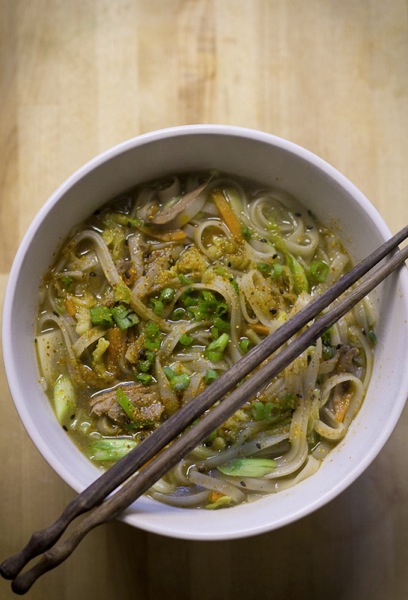
Duck noodle soup

And finally, here’s one of my favourites. When I posted this a few weeks ago on Twitter, the consensus was that it’s not worth making your own, as the tinned version is just perfect. Just add a swirl of cream or a knob of butter, and a generous helping of freshly ground black pepper. What is it? Heinz Cream of Tomato Soup… a true taste of childhood and still one of the best quick standby meals I can call upon…
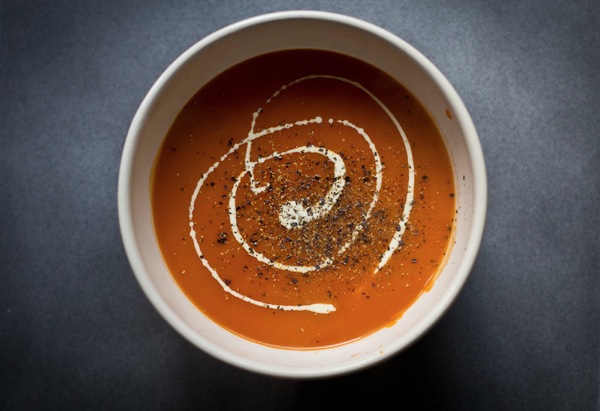

Winter soups 1

Sloe cured salmon and slow cooked goose…

Christmas may be over for another year, but some memories linger on happily. A hot port in front of a roaring turf fire, a proper fry with Coca-Cola ham instead of bacon on Boxing Day and the revelation that was home made gravlaks or home cured salmon fillet. Economical, easy and above all, delicious, I can’t recommend it enough!

As you might have noticed, we at North/South Food have a soft spot for Scandinavian food due to the influence of having family friends in Norway, so it’s no surprise to hear that I got my paws of a copy of Scandilicious by Signe Johansen as soon as I could after it was published last year. Filled with mouthwatering recipes and beautiful photos, I almost didn’t know where to start with this book when on page 151, gravlaks with dill mustard sauce leapt out at me. It might have been September, but I knew what our Christmas Day starter was going to be already.

All the Scandinavian countries cure, pickle and salt fish to improve its taste and to preserve it. Having seen how easy it was to pickle rollmops, I couldn’t wait to get curing, especially when I saw how easy the process is. I used Signe’s recipe as a guide to get the sugar and salt proportions correct, but wanted to add a personal twist. She suggests oomphing up the cure with some aquavit, but I decided to use a family favourite and add a splash of sloe gin instead.

Along with those Norwegian influences, one of my strongest childhood memories is of my parents making sloe gin nearly every autumn. We’d go on family walks in the autumn near my grandmother’s farmhouse searching out blackberries and blackthorn bushes and pick as many of each as we can carry. Back home, everyone would join in the pricking of the sloes before the jars of gin were stashed in the cupboard to mature. It was one of the first tastes of alcohol I had and the sweet, yet sharp flavour made me the gin lover I am to this day. Mister North has carried this tradition on with his legendary damson gin and our mum resurrected it when she managed to get hold of some stunning sloes when housesitting for friends who live on the tip of the Ards Peninsula facing Strangford Lough. Plump, juicy and slightly infused with salt, they made superlative sloe gin. I couldn’t wait to infuse the cure and the salmon with a splash of it.

A salmon fillet was purchased from Tesco as Belfast, sadly, isn’t abundant with fishmongers. Since there were only two of us, we went for half of one side of salmon. We didn’t freeze it first, but this would be advised if you aren’t sure how fresh the fish is or if you’re serving children or anyone with a comprimised immune system. The actual work involved in gravlaks is minimal, but you’ll need to let it cure for up to 48 hours so plan ahead.

I covered a flat baking tray with foil, then covered the foil with clingfilm before laying the salmon on the clingfilm, skin side down and applying a mix of pink peppercorns, coriander seeds, home grown fennel seeds and dill from my mum’s garden to the flesh. I then mixed up the sugar and salt with just enough sloe gin to turn the mix pale pink and make a stiff paste. This went on top of the spiced fish before the clingfilm was used to parcel the fish up tightly. It was all wrapped in the foil and left on the tray to catch any brine and then weighted down well in the fridge, multi-tasking by using the goose we were having for Christmas dinner.

A gift from the same friends on the Peninsula as we sourced our sloes from, this beast rivalled Mister North’s spiced beef for best meat dish of the season. Raised in the family’s walled garden, this goose was free range and more. Killed and plucked especially for us, we’d been looking forward to it for months. Scalded, salted and simply roasted, first in a hot oven to crisp the skin and then on a low heat to cook through, it was plump and juicy and so bursting with flavour that we just couldn’t get enough of it even though there were just two of us.

But it was challenged as dish of the day by the salmon. We usually do a seafood supper on Christmas Eve and to accompany our Lidl lobsters, we had some of the gravlaks on the side. Brushed clean of the peppercorns, sliced thinly and served with some fresh wheaten bread, it was spectacular. So soft it melted in the mouth, unlike slices of packed smoked salmon that remain firmly rubbery, it was moreishly salty sweet and fresh with the aniseed of dill and fennel and we both loved it.

Extraordinarily easy to make and much better value than most smoked salmon, it made a perfect start to Christmas dinner and the ultimate cold cut after the big day, as wafer thing slices of it cried out to snaffled everytime the fridge door was opened. It would make a easy, but impressive centrepiece for a lunch anytime of the year, but after this, I can’t imagine our Christmas without it in future…

Candied Bacon Toffee: a new Christmas tradition

Christmas is within touching distance. You’ve battled the high street. You’ve wrapped everything. You’ve ordered the bird. You’ve breathed out a massive sigh of relief. And then remembered that you’ve forgotten to get Great Uncle Aloysius anything and there’s not even a 24 hour shop handy for an emergency can of anti-freeze and a family pack of Kit Kats. What do you do?

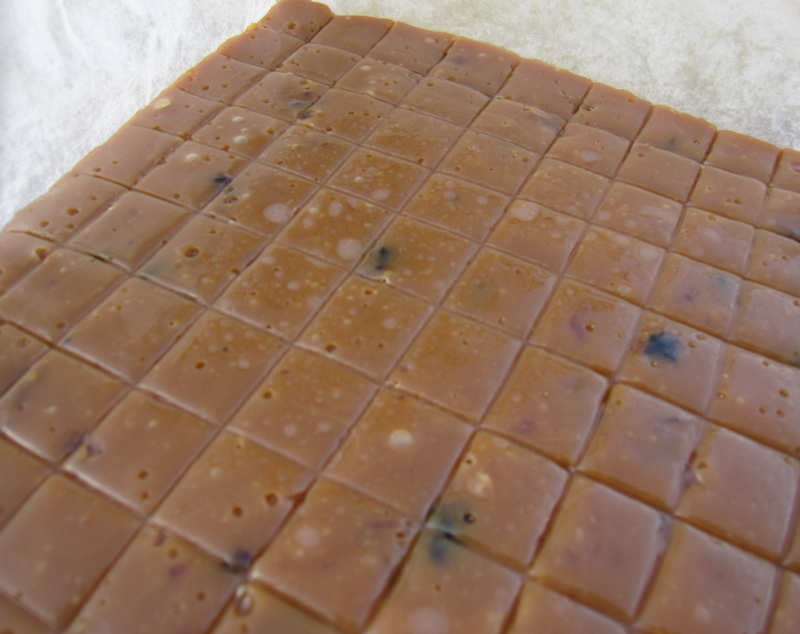
I suggest raiding the fridge for some simple essentials and making a batch of toffee that will both taste delicious and be a festive talking point. Whipped up using butter, sugar and cream and then spiked with crackling shattering shards of crisp candied bacon, this is simple enough to do in under a hour and it doesn’t break the bank…*

In fact this lovely ‘Highland’ style toffee is so easy to do, I made mine by accident. In trying to whip up some toffee sauce to go with the pumpkin ice cream recently and being easily distracted, I overcooked it and it went from runny sauce to firm chewy slabs of toffee and my mum had the inspired idea to add in the remaining candied bacon to perk it up.

I used this Rachel Allen recipe from Bake and didn’t even measure things as accurately as I might, going for dashes and glugs rather than getting out the measuring jug. So basically put all your ingredients in a slightly bigger than needed pan as the sugar will boil and bubble and might spit and cook for about ten minutes at a rolling boil or until it is very thick and gloopy and reduced by about a quarter, take off the heat, stir in the shards of bacon, then pour into a lined tin or tray and allow to set at room temperature. Come back to it when you’ve done the washing up and it’s had a few moments to settle and mark out squares in it with the back of a bread knife and then leave to harden overnight.

Next day, break the squares up into individual pieces and dust lightly with icing sugar to stop the pieces sticking together and then store in an airtight container or cellophane bag in the fridge and then enjoy in front of a roaring fire or an old movie in front of the TV over Christmas if you can’t bear to give it away. You’ll make about 50 pieces of bacon toffee from this recipe so there’s plenty to share even if you love the salty-sweet and crispy crunch chewy texture as much as I did. I imagine this one might become a Christmas tradition every year!

*It may break teeth though. Check for dentures before gifting.