Brixton Marmalade

Walking through Brixton Market is a riot of fresh fruit and vegetables of all colours. Some are familiar, but sometimes your eye is caught by something you don’t recognise, which is exactly what happened when I saw green oranges on many of the stalls. Some questioning and Googling later, I realised these are Jamaican oranges and not just the colour is different. They are thinner skinned than the peeling sort like Jaffas we are used to in the UK with plenty of pith and pips and a bittersweet flavour. I knew immediately that they would make the most fabulous marmalade…

I was sure I didn’t really like marmalade after one too many single serve portions of Golden Shred in a B&B. Sickly sweet instead of tangy and tasty, the commercial version leaves a bad taste in my mouth. Determined to overcome this dislike, I decided to try making my own and see if I could be convinced. Not only was I won over in abundance, I’ve become slightly obsessed, making pots and pots of the stuff from every citrus I can get my hands on, entering the World Marmalade Awards and slathering it on doorsteps of Wild Caper sourdough like there’s no tomorrow. The homemade stuff tastes amazing and is incredibly cheap and easy to make. You’ll never look back.

To make 2 large or 4 small jars you’ll need:

  • 800g of Jamaican oranges (about 4 in total)
  • 1 lemon
  • 3 pints of water
  • 1 kilo of sugar
  • 2 tablespoons rum
  • jars, empty and well washed
  • muslin cloth (look in the baby section for these cheaply)
  • length of string
  • cellophane jam jar covers, wax covers & elastic bands
  • two saucers or a food thermometer

The marmalade is very easy, but it does take several stages and needs to left overnight. Don’t be daunted though!

Start by cutting the oranges in half and juicing them. You should get about half a pint from this amount of oranges. Reserve the juice in a jug. Keep any pips you came across and soak them in water. Then chop your orange shells. Pull the most fibrous flesh out and then cut the peels in chunks of your choosing. I like my marmalade quite thick cut for flavour and ease of prep, but it’s your choice.

Soak the peels overnight in about 2 pints of water until it turns orange and smells delightfully citrus scented. Bring it all to the boil and then simmer for up to hours or until the peel is soft and squishy, but not pulpy. Add in a bit more water if needs be.

Iron your muslin cloth (and cut it to be smaller if needs be) and gather the reserved pips in it like a purse, tying to the handle of the pot so it hangs down into the boiled peel mix. They contain extra pectin that helps set the marmalade. Turn the oven onto 160℃ and put the jars in, using a baking tray rather than trying to grab individual hot jars with oven gloves and feeling like you’re playing a game fit for particularly sadistic PTA fundraisers. Get your thermometer to the ready if you have one or put your saucers in the freezer if you don’t.

Add the reserved orange juice to the mix, pour in the sugar and the lemon juice and bring the pot back to the boil. This is the stage when you work your magic and turn the mix into marmalade by heating it to 104℃ exactly. The thermometer will tell you this with ease, but you can also tell by spooning a drop or two of the boiling liquid onto a cold saucer, leaving for a sec and testing it with your finger to see if it ‘wrinkles’ when pushed. If it does, you’ve reached 104℃ and if it doesn’t, keep trying with alternate chilled saucers til it does.

Take the pot off the heat immediately. Add the rum (or ginger if you prefer a teetotal kick) and stir well. Leave the marmalade to sit for a minute or two to stop the peel sinking in the jars and then carefully fill the jars you’ve just taken from the oven right to the brim. Both the jars and the marmalade are obviously devilishly hot so keep your wits about you and any small children and pets away. Cover with the wax circles from your little kit.

Allow the jars to cool just enough to handle, then wet the cellophane lids well with a clean washing up sponge and stretch tightly over the top of the jar and fix with the rubber bands. This is fiddlier than you’d think and there may be some sailor’s language to accompany the rum. Let the marmalade cool completely and set before digging in and sampling your handiwork.

You’ll be amazed. It’ll be punchy with citrus and a slight hint of smooth rum with each peel exploding into little chewy nuggets of deliciousness. You won’t be able to stop yourself having a second (or third) slice of marmalade smeared bread, but if you can bear to part with a jar of it, your boss will understand why you are late for work now breakfast has become the highlight of the day again!
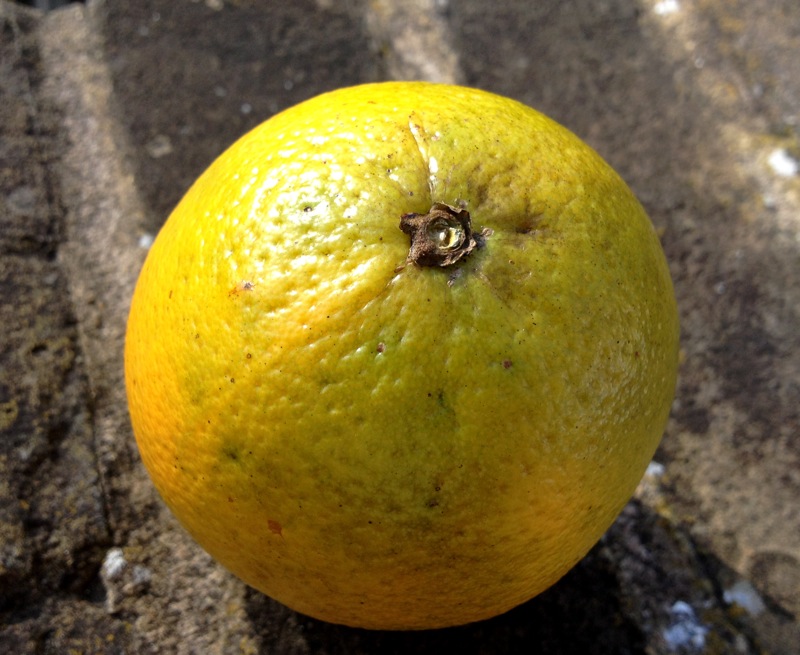
Jamaican green orange

* This post originally appeared on Brixton Blog who kindly asked me to write a local recipe and is re-posted here due to popular demand.

Chilly Philly: Chocolate cream cheese ice cream

 Cadbury Philadelphia cream cheese ice cream

 As I’ve mentioned before, I very rarely eat cheese. I like it, but rarely buy it because it’s expensive and Brixton doesn’t have many choices to buying small amounts of cheese rather than family sized blocks so I get bored of eating the same kind quite quickly. But the one thing I never tire of is cream cheese. I’ve always got a tub in the fridge because it is delicious and versatile and goes with Ryvita like nobody’s business. Therefore it was inevitable as a cream cream obsessive that I would be lured into trying the new Cadbury’s chocolate and Philadelphia combo pretty much soon as it came out.

And I quite liked it. It made a nice change from Nutella, but I would have liked slightly more lactic tang from it and less flat sugariness, but considering how sweet all processed food is these days, I guess I should be glad there was any type of cheese taste to it at all. I had some on Ryvita (quelle surprise) and liked it with the saltiness, but found it a bit flat with digestive biscuits. I found myself with more leftover than I expected and wondered what to do with it. I thought back to the Veda Bread ice cream I made which was originally made with a cream cheese base and knew exactly what to do with that second impulse purchase tub.

Chocolate Philadelphia Ice Cream (adapted from David Lebovitz’s The Perfect Scoop)

  • 250ml whole milk (I use Jersey)
  • A pinch of salt
  • 100g sugar
  • 1 tub of chocolate Philadelphia (160g)
  • half a large bar of dark chocolate (I used Lindt 70%)
  • 500ml double cream
  • 5 large egg yolks
  • 1 teaspoon pure vanilla extract

Heat the milk gently in a pan, adding in the cream and the sugar and dark chocolate and stirring until everything is melted, then add in the chocolate cream cheese and keep stirring until that melts. Make sure the mixture has come back up to heat, but is in no danger of overheating or boiling and then temper the egg yolks by adding a cupful of the chocolate milk mix to them. Mix this in and add the yolks to the pan and stir until the custard thickens enough to coat the back of a spatula. Add in the vanilla extract, cover the bowl and place in the fridge to cool (overnight preferably).

Next day, you should have had the thickest creamiest chocolate custard you can imagine. Churn in your ice cream maker for around 30 minutes or as described in the instructions. (I have a machine, so cannot be sure if you could make this without one. Worth a go though!) Serve when ready.

And marvel at how delicious this is. The extra chocolate adds the slight bitterness and tang the original product needed to be more grown up and you definitely get a different taste to a regular chocolate ice cream from the cream cheese. This is very rich but surprisingly grown up. I definitely preferred it to the cream cheese on its own, thus proving no matter what the question is, ice cream is the answer!

Pork brain nuggets in panko breadcrumbs

Zombie Nuggets: or Brainsss!!

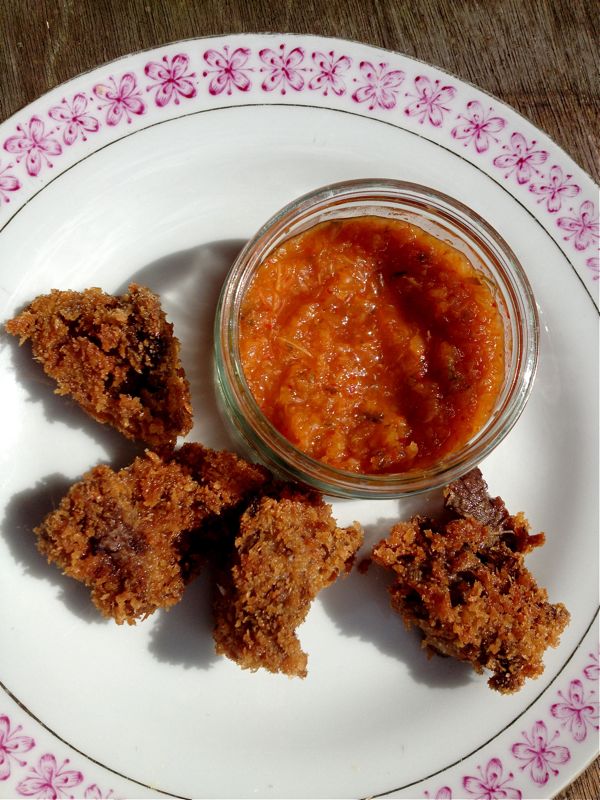
Pork brain nuggets in panko breadcrumbs


As you probably know from reading the blog, we seem to have unofficially become offal crazy. For me it’s partly because I’m on a tight budget and offal is cheap and partly because there’s an excellent stall at Brixton Farmers’ Market that sells all kinds of bits of wild boar and pork and I can play offal roulette while picking up some sausages or a roast. In fact, this is where I buy nearly all my meat these days and the woman who runs the stall often encourages me to try weird and wonderful bits (possibly to liven up her Sunday mornings). At my last visit, she slipped a package out from under the trestle and whispered brains in my direction. Or the most challenging thing I’ve ever been offered to eat.

She’d got them for me specially and I didn’t have the heart to refuse the little pink filled pouch. I asked what on earth one does with a bag of brains (if you don’t have a dog) and she told me that her Irish granny breaded and fried them and told them they were chicken nuggets. Wondering why I’m probably less scared of eating mechanically recovered meat than certain parts of fresh offal, I took them home to nugget up.

I don’t eat much in the way of nuggets or goujons or other crumbed things, but on a recent trip to Hawksmoor, I had some of their shortrib nuggets and was blown away by the melting interior and crispy crumby exterior all bound together with a tangy garlicky spicy kimchi dip on the side. I decided to steal the dip idea for my homemade nuggets, blending up some shopbought kimchi with a splash of vinegar and some ketchup til I got the right dippy texture.

Then I tackled the brains, cutting out some weird bits that didn’t look very edible, chopping them into fairly bite sized pieces, but not too small so they would burn on the outside before the middles were cooked. They were floured, egged and breadcrumbed in panko and fried til golden in hot oil. They looked lovely. All glisteningly crispy and very appetising indeed.

Turns out that fried breadcrumbs can make anything alluring and brain nuggets are as nice as you expected them to be…chewy, bouncy and very very offally in taste and texture, these were a bar too far even for me. I managed one, well dipped in kimchi ketchup and got no further. Pleased that I’d challenged myself this far, I regretfully threw the rest away feeling bad about wasting food and had a sandwich instead. My lesson is learned. If food makes you feel scared of it, you don’t have to eat it. Even if it makes a good blog post…

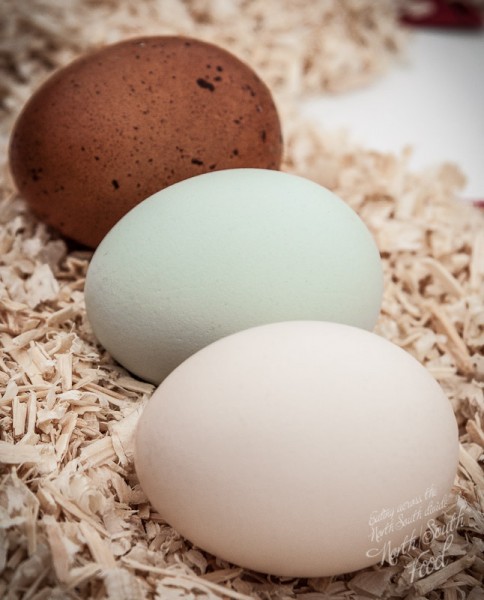
Three beautiful duck eggs on display at the Todmorden Agricultural Show

Cracking stuff: in praise of the duck egg…

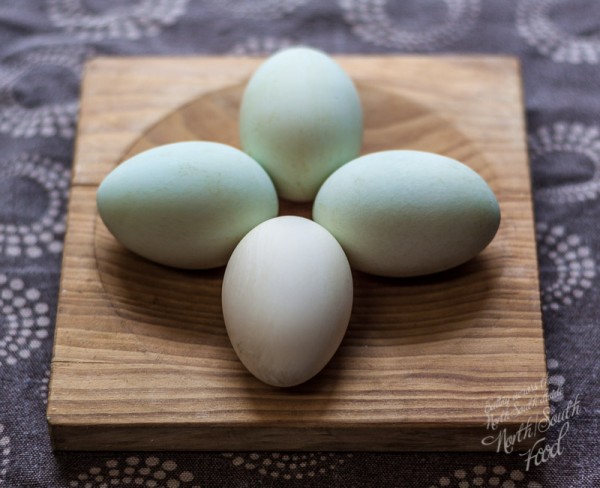
Three green and one white duck egg

So that moveable feast, Easter, is well and truly behind us for another twelve months or so. It’s a time of the year which is synonymous with eggs – as a symbol of life, of change, as a treat or gift, and as the rebirth inherent during spring. Our modern Easter is a convenient, contradictory and sometimes conflicted mélange of pagan, Christian, and (increasingly) consumerist influences; and there’s plenty of scope for debate about the origins of many of the things we associate with this time of year. Sidestepping much of the ideology and etymology, I’d just like to talk about eggs…*

Actually, it’s hard to think of a more elemental, universal and iconic foodstuff than an egg. Considering eggs (and duck eggs in particular) are one of the favourite and most-used ingredients in my kitchen, it surprised me to realise we’ve never written a piece in praise of them.

They crop up in plenty of our recipes; they’re the first thing I buy when I go to the market each week; they’re my number one packed lunch item (the ultimate self-contained foodstuff). So this is a celebration of eggs, and especially the duck egg, which is indelibly wrapped up in my past memories and modern routines.

Three beautiful duck eggs on display at the Todmorden Agricultural Show

Read more

Turning Japanese: a simple vegan meal

Shirataki to kinoko no ni-mono

Some time ago, a mate pointed out most of my blog posts are consistently carnivorous. I hadn’t really given it much thought – and I’m no hater of all things vegetarian – but a quick scan through recent posts suggested a certain preponderance towards pork, game and other meaty delights. So I’m hoping this might redress the balance a little … a simple but exotic meat-free and dairy-free meal.

We recently had some friends over for dinner – she’s vegan, he’s not – and I relished the challenge of cooking vegan-friendly food. I hoped to serve up something a bit different to my standard fare, celebrating interesting new ingredients, and which didn’t rely on meat substitutes. It’s always good to use a dinner as an excuse to try out some new dishes.

As for what to cook; after some deliberation the best choice… or at least the natural choice for me… was to go Japanese. Famed for their creative and delicious uses of veg and seaweed alike, and less dependency on dairy than many other cultures, looking eastwards gave me loads of options. And, having cooked Japanese at dinner parties before, I know it’s also a lot of fun to play with new ingredients and flavours! Read more