Vietnamese Coffee Ice Cream


Last month I finally got the chance to try an iced coffee for the first time since an ill advised carton of Nestle Frappe back at primary school which scarred me for life (I think it’s where they got the idea for that 3 in 1 monstrosity they were pushing at Tube stations recently). This time I showed more sense and went to the Vietnamese cafe Banh Mi Bay and sampled this summer drink made by the people who do it the best.

Strong, but not bitter and slightly sweet from condensed milk, it was so refreshing I couldn’t stop thinking about it. I wanted to re-live its cooling caffeine hit and when Kavey mentioned that July’s Bloggers Scream for Ice Cream challenge was a condensed milk custard, I knew what I had to do…

Vietnamese Coffee Ice Cream (makes about a litre)

  • 410g can of condensed milk or two small cans (Polish shops usually sell the bigger ones & are great value)
  • 3 tablespoons freeze dried coffee dissolved in 60ml of water, cooled slightly
  • 5 egg yolks
  • 250ml double cream
  • 250ml whole milk
  • pinch salt
  • freeze dried raspberries (optional)

First make your coffee. You’re probably having kittens at the thought of using instant coffee, but I always keep some in the house for baking and cooking as you want a good strong coffee flavour without too much liquid and proper ground beans don’t do this. If you really object to the instant stuff, this is a good time to try cold brewing coffee and using the concentrate that method creates instead. I wasn’t organised enough so instead I used 3 tablespoons of freeze dried espresso powder in 60ml or 1/4 cup of boiling water and left to cool a bit while I made the custard. I find when you freeze ice cream it lessens the flavour and I like a proper coffee kick from my custard so heaped the coffee in.

I warmed the cream and whole milk, adding in the condensed milk so it all melted and looked like thick creamy custard. I separated the eggs and beat the yolks, adding in a bit of the condensed milk custard to temper it before adding it all back into the saucepan to thicken. Add in the coffee and the salt and str until blipping gently and thickening nicely. It’s like a regular ice cream custard base but much easier to do without splitting or it not coming together. Chill well. It will look as set in the bowl at this point as pannacotta and will be a little bit difficult to get into the machine without ladling.

From reading the expertise of the people organised enough to get their posts up on Kavey’s blog in time, it looks like you could freeze other condensed milk based custards without a machine because of the texture of the custard is airier than usual and wouldn’t just make a big icy block (see her comment below). I used my machine as normal as this is egg based and while it was churning, turned my attention to the garnish.

I adore coffee and raspberries together. The tang of the berries works especially well with coffee desserts and I decided I wanted to cut through the richness of this ice cream with a sprinkle of freeze-dried raspberry. Unfortunately I wasn’t organised enough to mail order these and instead spent an afternoon trekking round London trying to find them in Whole Foods and Waitrose and Fortnums and not getting very far. Instead I bought a bar of 36% cocoa milk chocolate with raspberry from Marks and Spencer and took my frustration from my failed shopping trip out on it with a rolling pin.

I sprinkled some crushed chocolate chunks into each section of my silicone tray and poured the ice cream in, topping with more crushed chocolate and freezing as ice cream bars. I served these between wafers and the crunch of these and the chocolate chunks made the ice cream seem even creamier than it was. Not to toot my own horn, but this was the best coffee ice cream I’ve ever had and coffee ice cream is my favourite…

 

Brixton Marmalade

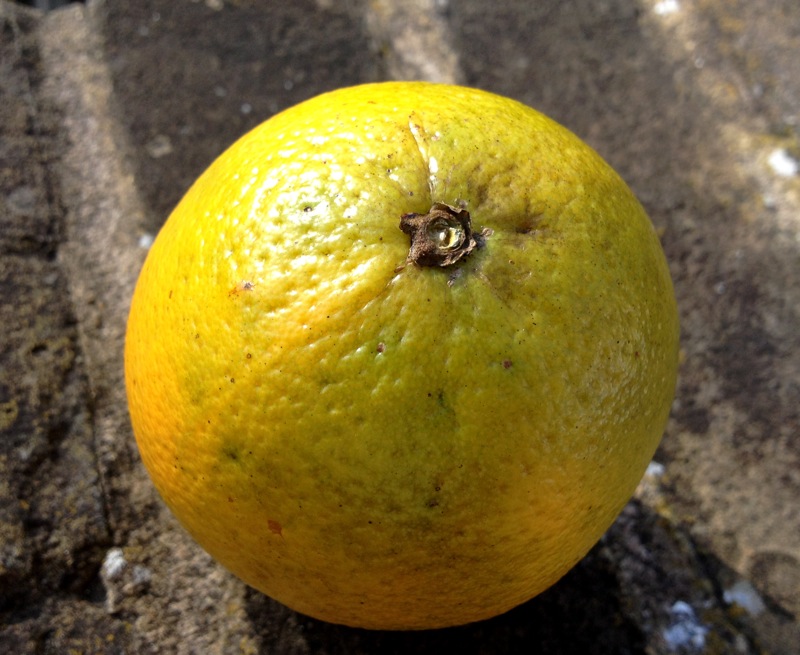
Walking through Brixton Market is a riot of fresh fruit and vegetables of all colours. Some are familiar, but sometimes your eye is caught by something you don’t recognise, which is exactly what happened when I saw green oranges on many of the stalls. Some questioning and Googling later, I realised these are Jamaican oranges and not just the colour is different. They are thinner skinned than the peeling sort like Jaffas we are used to in the UK with plenty of pith and pips and a bittersweet flavour. I knew immediately that they would make the most fabulous marmalade…

I was sure I didn’t really like marmalade after one too many single serve portions of Golden Shred in a B&B. Sickly sweet instead of tangy and tasty, the commercial version leaves a bad taste in my mouth. Determined to overcome this dislike, I decided to try making my own and see if I could be convinced. Not only was I won over in abundance, I’ve become slightly obsessed, making pots and pots of the stuff from every citrus I can get my hands on, entering the World Marmalade Awards and slathering it on doorsteps of Wild Caper sourdough like there’s no tomorrow. The homemade stuff tastes amazing and is incredibly cheap and easy to make. You’ll never look back.

To make 2 large or 4 small jars you’ll need:

  • 800g of Jamaican oranges (about 4 in total)
  • 1 lemon
  • 3 pints of water
  • 1 kilo of sugar
  • 2 tablespoons rum
  • jars, empty and well washed
  • muslin cloth (look in the baby section for these cheaply)
  • length of string
  • cellophane jam jar covers, wax covers & elastic bands
  • two saucers or a food thermometer

The marmalade is very easy, but it does take several stages and needs to left overnight. Don’t be daunted though!

Start by cutting the oranges in half and juicing them. You should get about half a pint from this amount of oranges. Reserve the juice in a jug. Keep any pips you came across and soak them in water. Then chop your orange shells. Pull the most fibrous flesh out and then cut the peels in chunks of your choosing. I like my marmalade quite thick cut for flavour and ease of prep, but it’s your choice.

Soak the peels overnight in about 2 pints of water until it turns orange and smells delightfully citrus scented. Bring it all to the boil and then simmer for up to hours or until the peel is soft and squishy, but not pulpy. Add in a bit more water if needs be.

Iron your muslin cloth (and cut it to be smaller if needs be) and gather the reserved pips in it like a purse, tying to the handle of the pot so it hangs down into the boiled peel mix. They contain extra pectin that helps set the marmalade. Turn the oven onto 160℃ and put the jars in, using a baking tray rather than trying to grab individual hot jars with oven gloves and feeling like you’re playing a game fit for particularly sadistic PTA fundraisers. Get your thermometer to the ready if you have one or put your saucers in the freezer if you don’t.

Add the reserved orange juice to the mix, pour in the sugar and the lemon juice and bring the pot back to the boil. This is the stage when you work your magic and turn the mix into marmalade by heating it to 104℃ exactly. The thermometer will tell you this with ease, but you can also tell by spooning a drop or two of the boiling liquid onto a cold saucer, leaving for a sec and testing it with your finger to see if it ‘wrinkles’ when pushed. If it does, you’ve reached 104℃ and if it doesn’t, keep trying with alternate chilled saucers til it does.

Take the pot off the heat immediately. Add the rum (or ginger if you prefer a teetotal kick) and stir well. Leave the marmalade to sit for a minute or two to stop the peel sinking in the jars and then carefully fill the jars you’ve just taken from the oven right to the brim. Both the jars and the marmalade are obviously devilishly hot so keep your wits about you and any small children and pets away. Cover with the wax circles from your little kit.

Allow the jars to cool just enough to handle, then wet the cellophane lids well with a clean washing up sponge and stretch tightly over the top of the jar and fix with the rubber bands. This is fiddlier than you’d think and there may be some sailor’s language to accompany the rum. Let the marmalade cool completely and set before digging in and sampling your handiwork.

You’ll be amazed. It’ll be punchy with citrus and a slight hint of smooth rum with each peel exploding into little chewy nuggets of deliciousness. You won’t be able to stop yourself having a second (or third) slice of marmalade smeared bread, but if you can bear to part with a jar of it, your boss will understand why you are late for work now breakfast has become the highlight of the day again!

Jamaican green orange

* This post originally appeared on Brixton Blog who kindly asked me to write a local recipe and is re-posted here due to popular demand.

Three beautiful duck eggs on display at the Todmorden Agricultural Show

Cracking stuff: in praise of the duck egg…

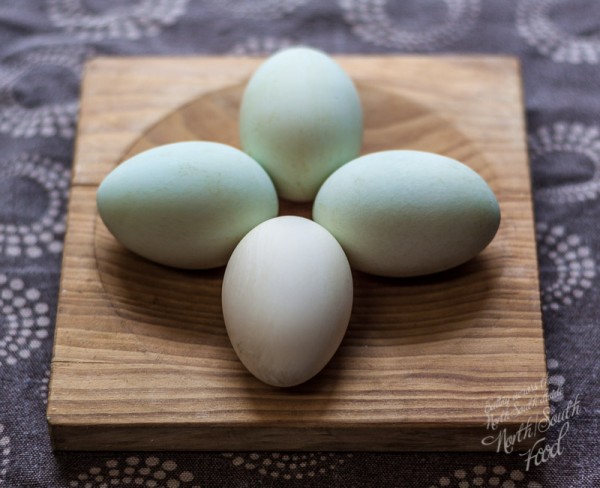
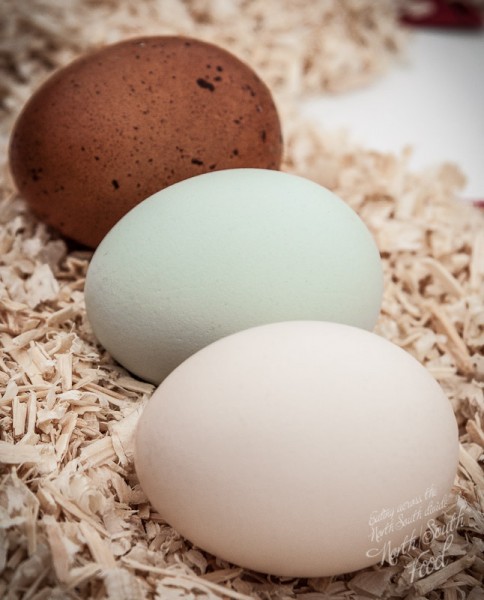
Three green and one white duck egg

So that moveable feast, Easter, is well and truly behind us for another twelve months or so. It’s a time of the year which is synonymous with eggs – as a symbol of life, of change, as a treat or gift, and as the rebirth inherent during spring. Our modern Easter is a convenient, contradictory and sometimes conflicted mélange of pagan, Christian, and (increasingly) consumerist influences; and there’s plenty of scope for debate about the origins of many of the things we associate with this time of year. Sidestepping much of the ideology and etymology, I’d just like to talk about eggs…*

Actually, it’s hard to think of a more elemental, universal and iconic foodstuff than an egg. Considering eggs (and duck eggs in particular) are one of the favourite and most-used ingredients in my kitchen, it surprised me to realise we’ve never written a piece in praise of them.

They crop up in plenty of our recipes; they’re the first thing I buy when I go to the market each week; they’re my number one packed lunch item (the ultimate self-contained foodstuff). So this is a celebration of eggs, and especially the duck egg, which is indelibly wrapped up in my past memories and modern routines.

Three beautiful duck eggs on display at the Todmorden Agricultural Show

Read more

Game for a curry? Tandoori pheasant & squirrel

Finished plate of tandoori pheasant

As I’ve said before, although I’ve grown to appreciate great south Asian food, it’s not something I have a load of experience with. However I’ve been recently fired up by experiences at The Spice Club, some great reading on various blogs, and the burgeoning movement in authentic gourmet Indian and Pakistani food in the UK.

In addition, a present last Christmas – the cookbook ‘Food of the Grand Trunk Road‘ by Anirudh Arora and Hardeep Singh Kohli – has provided a load of inspiration, and the chance to try my hand at some of the recipes. Which are all excellent, but more time-consuming than I’m used to. The book’s also prompted me to extensively update my store cupboard as a result, so I’m now discovering the joys of sourcing exotic ingredients and grinding fresh spices more regularly.

Grilled tandoori pheasant pieces in shallow dish, beside book

I was given a pheasant during last year’s game season… after a few days hanging and prepping it got placed in the freezer and I forgot all about it until having a bit of a clear-out last month. Wanting to try something a bit different to the usual roast, I mulled over something Middle Eastern or Indian-influenced. Perhaps something at the back of my mind was thinking about the long-distant Anglo-Indian themes… curry, kedgeree and grand homes; hunting parties and polo; gin & tonics and cool glasses of IPA. Anyway, a quick flick through the aforementioned book, and I came across a recipe for Teetari, or Tandoori Guinea Fowl. That sounded pretty fine, and after checking the recipe I had the time to marinade the meat properly and make a proper meal of it.

Mind you, I didn’t think it’d be so good. As I found out, tandoori and game are pretty much perfect partners, especially if you marinade the meat properly so it tenderises the lean, sinewy flesh. Truly sublime. A word to the wise though… this marinade recipe is pretty punchy, so if you don’t like hot food, you may want to tone down the amount of chillies a wee bit.

Read more

Local northern food to put a smile on your face

Northern Stars supper club. Pt.2: local food for local people

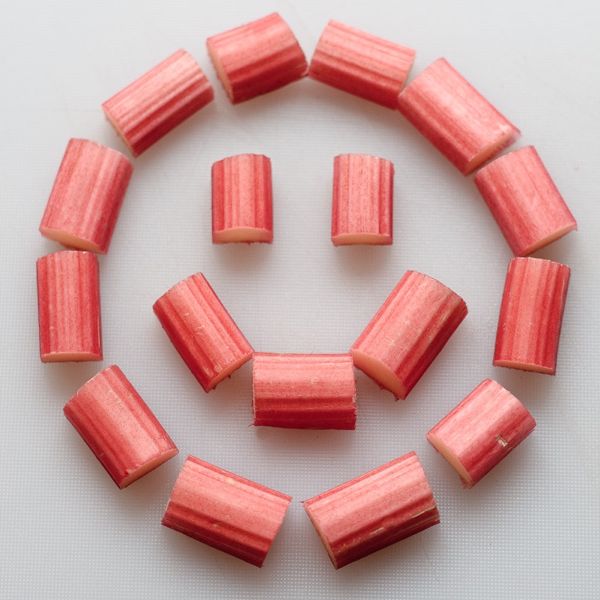
sliced rhubarb

(This is the second article on our Northern Stars supper club… you can check out part one here)

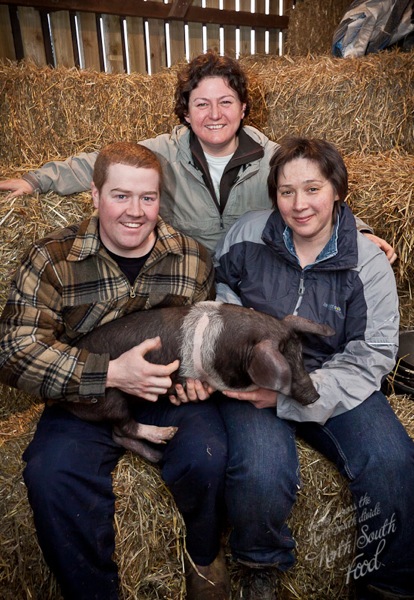
When we had to name our team for the recent ‘A Question of Taste’ TV show, I rather glibly chose Northern Stars… it chimed with our team’s all-northern roots, and echoed North Star Deli’s title as the genesis of our team. When we hatched plans for our recent supper club after the show, that name morphed to became a genuine manifesto for the evening. I was keen to make the JoinUs4Supper evening a showcase for some of our favourite local food stars and producers… the products I’ve known and loved for sometime… and those which I take down to Miss South in London, to bring a taste of the Pennines to the big city.

The combination for the night of farmer, chef and foodie gave us a chance to share some of these tastes with friends and fellow foodies in Manchester, and now we can share them with you too.

Northern stars local specialities 1

Read more