Potatoes with fenugreek & lovage; onion & lovage bhajis on the side

Ah, lovage. Blessed with the kind of name which conjures up images of old-fashioned English cottage gardens, nestled next to lavender, it was a herb I’d heard of but until last year I’d not cooked with, until Deanna Thomas gifted me with a generous bunch from her garden. You rarely see it for sale so it’s a herb best used from home-grown if you can manage to source it from a friend, or nurture your own. By all accounts it grows voraciously, so if you do have a patch, you may wonder how to use it up.

When I did start to use it, I was initially thrown by how to play to its strengths. I was delighted and confused in equal measure by its curious ‘curry meets celery’ characteristics… a robust savoury flavour, and it holds its shape and body better than parsley, but I couldn’t find many recipes which excited me. Last year I made an experiemental lovage pesto, served with grilled sardines and lemon juice, but the rest of my stash went into the stockpot and I never felt I’d taken full advantage of its full potential.

This year I was determined to make the most of lovage’s late spring delights, and thought it might work well with some south Asian flavours. A quick look online referenced ajwain seeds in Indian cooking, but despite common misperception these aren’t the same as lovage seeds. Despite not finding a great deal of precedent, I didn’t think I could go far wrong, so on a wet midweek evening last week I got busy in the kitchen for an hour, making a hearty veggie meal for myself and a mate who’d dropped round. Few things counter the soggy evening blues better than grinding your own spices and making something with a touch of spice.

The fenugreek & potato dish has become a firm favourite over the last six months, fuelled by a discovery of fresh fenugreek (alternatively labelled ‘methi’). As mentioned before, I’ve been inspired by Anirudh Arora’ recipes in ‘Food of the Grand Trunk Road‘ and one recipe which leapt out was Aloo Methi Ka Saag. It’s quick and easy compared to many of the recipes in the book, and it’s healthy and good for veggie guests.

I’ve always loved saag aloo, but was really intrigued by the inclusion of fresh methi in this take of a simple classic. Fresh fenugreek has small ovoid leaves and a mild aroma, and can be found in many asian groceries. However it seems to wilt incredibly quickly, even if kept in the fridge in water, so I’ve found it’s best to make this on the day of purchase if possible. You can wash and freeze the leaves: though it seems to tone the flavour down at least it’s a good fallback if you fancy a quick fenugreek hit.

However – and I’ll try to be delicate here – I’ve discovered that fenugreek does have a peculiar ‘characteristic’ which means you’re likely to be reminded of it for a day or two after consumption. Somewhat like the effect asparagus has on some people, the malodorous qualities are longer-lasting and tend to permeate from a variety of regions. It seems this is a common side-effect, and is known on mother and baby forums as fenugreek seeds are used for stimulating milk supply. Not sure I make the connection with maple syrup though…

Finally, I’ve had my cockles warmed by the hitherto unknown delights of panch phoran – a Bengali five spice mix – thanks to Rice & Pickle’s mango pickle recipe she posted a few months ago. Days after reading her recipe, while the name was still fresh in my mind, I stumbled across a pack of this mix in Unicorn, and have been adding it to dishes ever since. As it contains fenugreek seeds it has a particular affinity to fresh methi, and has proven itself to be another reliable addition to the larder shelves.

Over the years I’ve tried a few different recipes for onion bhajis, but have found this from Daxa Dashani on the BBC website is reliably reproducible. However I tend to increase the amount of onion in the recipe, using a couple of decent sized onions to add more bulk. I also dry roast and then grind the panch phoran, adding it to the mix before letting the batter rest. Instead of the spinach in the recipe you can substitute this for other greens: earlier this spring I used wild garlic, and here I used lovage leaves, chopped roughly. This recipe makes around a dozen bhajis, depending how generous you are with the mix. Make sure you drain the bhajis well after cooking, sitting them on kitchen paper or napkins to remove any excess cooking oil.

The final dishes were great (and disappeared in no time between two hungry lads): the lovage gave an extra savoury depth to the bhajis, but was less obvious in the aloo methi. I used a scotch bonnet chilli in the aloo methi, but cautiously removed it before serving. As I’d used smoked paprika rather than chilli the spice flavour was more muted than when I’ve made this previously, so I served it with some hot sauce on the side. A breezy fresh salsa or a fiery lime pickle would be an even better choice.

Best served with some raita, a chutney (which I overlooked on this occasion…doh!) and a glass of good Indian Pale Ale. Fast, fresh and healthy!

Potatoes with fenugreek and lovage
(based on a recipe by Anirudh Arora)

  • 3 bunches of fenugreek
  • 1 handful lovage leaves
  • 30ml vegetable oil
  • 1 teaspoon cumin seeds
  • 1 tablespoon panch phoran
  • 1 teaspoon freshly ground coriander seeds
  • 1 teaspoon smoked paprika or chilli powder
  • 1/2 teaspoon freshly ground black pepper
  • 2 green chillies or 1 scotch bonnet, sliced into lengths
  • 1″/2.5cm length of fresh ginger root, peeled and chopped
  • 8-10 new potatoes, sliced… or several larger potatoes roughly diced
  • 1/4 teaspoon turmeric
  • 1 teaspoon sea salt
  • juice of 1 lemon
  • a decent squirt of tomato purée
  • 1/2 teaspoon garam masala
  • Coriander leaves to garnish
Remove the methi leaves, then wash well and chop. Dry with kitchen paper and leave to one side.
Heat half the oil in a wok and add half the cumin seeds until they snap, crackle and pop. Add the methi leaves and stir until they start to wilt down, then remove and set aside to cool.
Add the rest of the oil and heat, adding the rest of the cumin seeds. Once they start to crackle, chuck in the ginger and chillies and sauté well for a minute. Add the coriander, salt, turmeric and chilli/paprika, stir and cook down for a couple of minutes, then add the spuds. I tend to turn the heat right down and cover the wok, letting everything cook through slowly for 10-15 minutes until the potatoes are just starting to give.
Stir through the tomato purée and cook for a further few minutes, then add the freshly squeezed lemon juice and the garam masala. Finish with a garnish of chopped coriander leaves, and enjoy.

Gooseberry and Elderflower Bircher Muesli

Gooseberry and elderflower bircher muesli

As I’ve mentioned before, I love an oat or two. They form the basis of about 75% of my breakfasts (we’ve written extensively about my other choice in the shape of a duck egg) and the year is split into two phases: porridge or bircher muesli. The latter tends to herald the arrival of summer when I switch from the creamy warmth of porridge to the softness of soaked oats and a heap of seasonal fruit to start the day. However this year, the switch has not been followed by an actual change in the seasons so I decided to make my muesli a bit more of a treat and flavour it with the light and tangy tastes of gooseberry and elderflower.

Super simple, but so good it’ll make you leap out of bed on a Monday morning, this is a seasonal treat and a half. Instead of using the more traditional apple juice to soak the oats, I used elderflower cordial.

Gooseberry and Elderflower Bircher Muesli (serves one)

  • 50g oats  (use jumbo oats or look out for Flahavans)
  • 60ml/1/4 cup elderflower cordial
  • 60ml/ 1/4 cup water
  • 2-3 tablespoons Greek yoghurt
  • handful gooseberries, topped and tailed
  • teaspoon sugar
  • vanilla extract

This is a dish best prepped the night before, but don’t panic, it’s very simple. First add a teaspoon of sugar per handful of gooseberries and add a scant sticky trickle of vanilla extract and then roast your gooseberries in a 180℃ oven for about 20 minutes or until they collapse in their own syrup slightly. Set aside.

Soak the oats in the elderflower/water mix overnight. You can do it for 5 or 10 minutes before you eat, but overnight really plumps the oats up and makes them even better.

Then next morning, fuelled by the live giving power of tea, tip a couple of tablespoons of Greek yoghurt (proper stuff, not that weird no fat high sugar stuff that advertisers seem to think womenhood is entirely constructed of) and add in your roasted goosegogs. Stir round and then melt into the sweet creamy oats and sour kick of the yoghurt and fruit and feel ten times more awake, surprisingly healthy and totally full up til lunchtime. It might even kid you it’s actually summer…

Brixton Marmalade

Walking through Brixton Market is a riot of fresh fruit and vegetables of all colours. Some are familiar, but sometimes your eye is caught by something you don’t recognise, which is exactly what happened when I saw green oranges on many of the stalls. Some questioning and Googling later, I realised these are Jamaican oranges and not just the colour is different. They are thinner skinned than the peeling sort like Jaffas we are used to in the UK with plenty of pith and pips and a bittersweet flavour. I knew immediately that they would make the most fabulous marmalade…

I was sure I didn’t really like marmalade after one too many single serve portions of Golden Shred in a B&B. Sickly sweet instead of tangy and tasty, the commercial version leaves a bad taste in my mouth. Determined to overcome this dislike, I decided to try making my own and see if I could be convinced. Not only was I won over in abundance, I’ve become slightly obsessed, making pots and pots of the stuff from every citrus I can get my hands on, entering the World Marmalade Awards and slathering it on doorsteps of Wild Caper sourdough like there’s no tomorrow. The homemade stuff tastes amazing and is incredibly cheap and easy to make. You’ll never look back.

To make 2 large or 4 small jars you’ll need:

  • 800g of Jamaican oranges (about 4 in total)
  • 1 lemon
  • 3 pints of water
  • 1 kilo of sugar
  • 2 tablespoons rum
  • jars, empty and well washed
  • muslin cloth (look in the baby section for these cheaply)
  • length of string
  • cellophane jam jar covers, wax covers & elastic bands
  • two saucers or a food thermometer

The marmalade is very easy, but it does take several stages and needs to left overnight. Don’t be daunted though!

Start by cutting the oranges in half and juicing them. You should get about half a pint from this amount of oranges. Reserve the juice in a jug. Keep any pips you came across and soak them in water. Then chop your orange shells. Pull the most fibrous flesh out and then cut the peels in chunks of your choosing. I like my marmalade quite thick cut for flavour and ease of prep, but it’s your choice.

Soak the peels overnight in about 2 pints of water until it turns orange and smells delightfully citrus scented. Bring it all to the boil and then simmer for up to hours or until the peel is soft and squishy, but not pulpy. Add in a bit more water if needs be.

Iron your muslin cloth (and cut it to be smaller if needs be) and gather the reserved pips in it like a purse, tying to the handle of the pot so it hangs down into the boiled peel mix. They contain extra pectin that helps set the marmalade. Turn the oven onto 160℃ and put the jars in, using a baking tray rather than trying to grab individual hot jars with oven gloves and feeling like you’re playing a game fit for particularly sadistic PTA fundraisers. Get your thermometer to the ready if you have one or put your saucers in the freezer if you don’t.

Add the reserved orange juice to the mix, pour in the sugar and the lemon juice and bring the pot back to the boil. This is the stage when you work your magic and turn the mix into marmalade by heating it to 104℃ exactly. The thermometer will tell you this with ease, but you can also tell by spooning a drop or two of the boiling liquid onto a cold saucer, leaving for a sec and testing it with your finger to see if it ‘wrinkles’ when pushed. If it does, you’ve reached 104℃ and if it doesn’t, keep trying with alternate chilled saucers til it does.

Take the pot off the heat immediately. Add the rum (or ginger if you prefer a teetotal kick) and stir well. Leave the marmalade to sit for a minute or two to stop the peel sinking in the jars and then carefully fill the jars you’ve just taken from the oven right to the brim. Both the jars and the marmalade are obviously devilishly hot so keep your wits about you and any small children and pets away. Cover with the wax circles from your little kit.

Allow the jars to cool just enough to handle, then wet the cellophane lids well with a clean washing up sponge and stretch tightly over the top of the jar and fix with the rubber bands. This is fiddlier than you’d think and there may be some sailor’s language to accompany the rum. Let the marmalade cool completely and set before digging in and sampling your handiwork.

You’ll be amazed. It’ll be punchy with citrus and a slight hint of smooth rum with each peel exploding into little chewy nuggets of deliciousness. You won’t be able to stop yourself having a second (or third) slice of marmalade smeared bread, but if you can bear to part with a jar of it, your boss will understand why you are late for work now breakfast has become the highlight of the day again!

Jamaican green orange

* This post originally appeared on Brixton Blog who kindly asked me to write a local recipe and is re-posted here due to popular demand.

Three beautiful duck eggs on display at the Todmorden Agricultural Show

Cracking stuff: in praise of the duck egg…

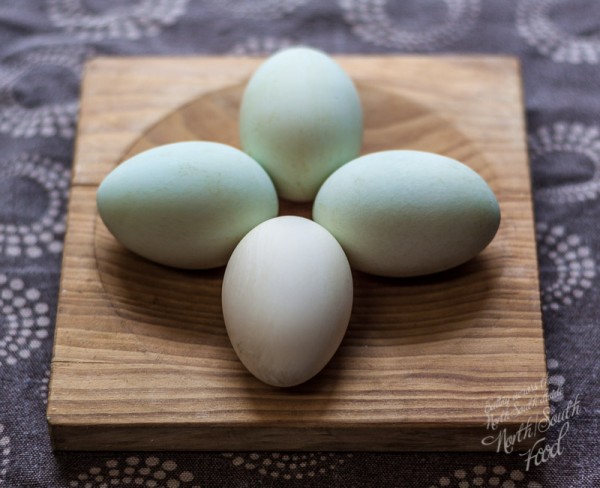
Three green and one white duck egg

So that moveable feast, Easter, is well and truly behind us for another twelve months or so. It’s a time of the year which is synonymous with eggs – as a symbol of life, of change, as a treat or gift, and as the rebirth inherent during spring. Our modern Easter is a convenient, contradictory and sometimes conflicted mélange of pagan, Christian, and (increasingly) consumerist influences; and there’s plenty of scope for debate about the origins of many of the things we associate with this time of year. Sidestepping much of the ideology and etymology, I’d just like to talk about eggs…*

Actually, it’s hard to think of a more elemental, universal and iconic foodstuff than an egg. Considering eggs (and duck eggs in particular) are one of the favourite and most-used ingredients in my kitchen, it surprised me to realise we’ve never written a piece in praise of them.

They crop up in plenty of our recipes; they’re the first thing I buy when I go to the market each week; they’re my number one packed lunch item (the ultimate self-contained foodstuff). So this is a celebration of eggs, and especially the duck egg, which is indelibly wrapped up in my past memories and modern routines.

Three beautiful duck eggs on display at the Todmorden Agricultural Show

Read more

Simnel Cake Ice Cream

Simnel Cake ice cream

I am not religious, but I do enjoy all the major Christian holidays, chiefly because they are all held together with copious amounts of marzipan. I love marzipan. I’m that person that will eat the spare almond paste off your Royal icing when you’re defeated by Christmas cake or buy a block of it to eat slices off. And don’t get me started about those exquisite little fruits modelled from the stuff you get in posh grocers and Fortnums. I am definitely in the pro-camp.

I spend a lot of time wanting to increase the ways I can get marzipan into my life, so Easter and its siren song of Simnel cake pleases me hugely. I toyed with these mini ones from Nutmegs Seven which look light as a feather, but I’ve also been fiddling around with trying a marzipan ice cream for ages and suddenly it came together and I realised my world needed Simnel cake ice cream immediately.

You could of course bake a Simnel Cake and break it up into homemade ice cream and bob’s your uncle, but I have a deep shuddering hatred of wet cake. Things like trifle and tiramisu make me feel funny inside. So I needed something more deconstructed, but simple and I think, with this recipe, I’ve cracked it:

Read more