Brixton Caldo Verde

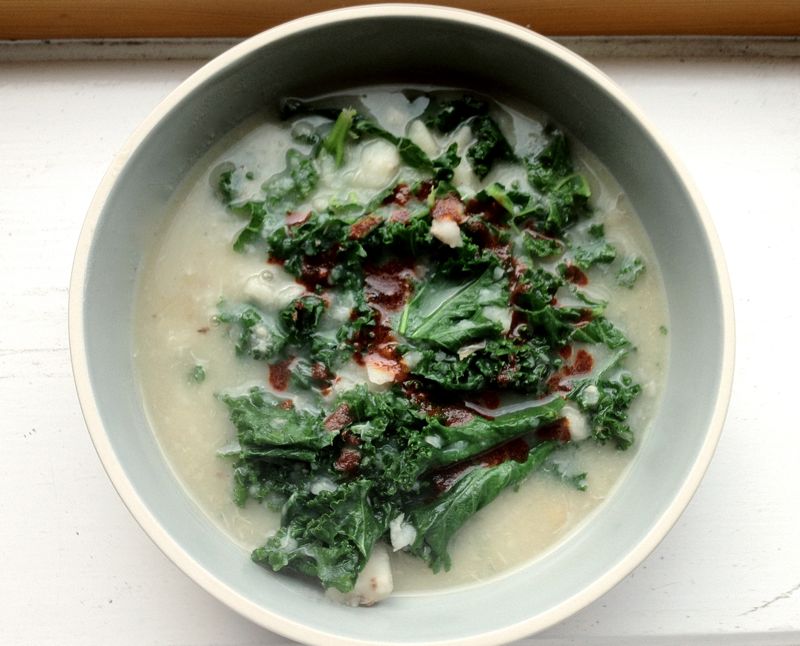
I love soup. Warming, nourishing, easy to make and very useful for using up bits and bobs in your fridge, it’s a very useful addition to any cook’s repetoire. Some soups are just a delicious dinner and rarely thought of again, but some are classics that end up defining a nation and becoming famous outside their home. Vichyoisse, gazpacho, tom yum, minestrone, we all know and love them. But one that deserves to be on that roll call is the Portuguese staple caldo verde or ‘green broth’.

Originally published at Brixton Blog…

Read more

Dulse Tapenade: the Province meets Provence

dulse tapenade

When I was a child, I hadn’t yet discovered my high umami fascination. Olives didn’t tickle me, I only liked anchovies marinaded and one of the strongest memories of disliking a food in childhood came with one of the strongest flavours I tasted, in the shape of dulse. Dulse is a seaweed, very common around the coast of Ireland and particularly associated for us with the north coast town of Ballycastle and its famed Auld Lammas Fair. In an early adoption of the salt sweet craze, people bring Yellowman and dulse back from there as treats and it was this contrast that caused my long lasting reaction.

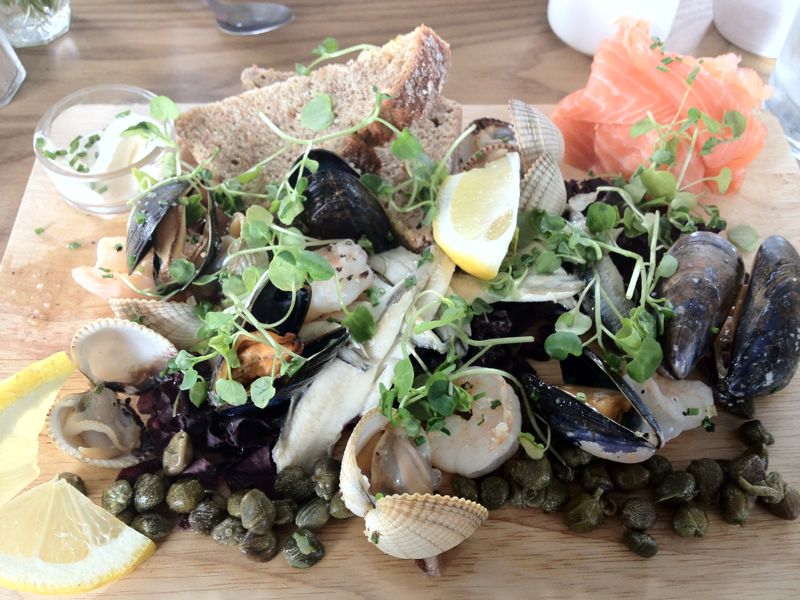
Yellowman is the sweetest crunchy thing you can imagine and dulse is intensely iron rich and seawater salty with a slightly rubbery texture and it is one extreme to the other for a five year old. I never eaten dulse since and the thought of it has always made me feel a bit queasy. But when I was back in Belfast last week, I went for lunch at the Belfast Barge and ordered their superb seafood platter and in with the spankingly fresh seafood and fish was a healthy sprinkling of dulse that would be hard to avoid.

Belfast Barge seafood platter

Bravely loading up my fork with some dulse, a caper or two and a marinaded anchovy, I tried it again, hoping the flavours I liked would hide the one I didn’t. I was very very surprised when I loved it. The flavours all went together like nobody’s business and appealed to my umami addiction utterly. It was so good that before I had finished the plate, I was asking my mum where I could get some dulse to bring home.

I wanted to combine those fishy and salty and savoury flavours to the fullest extent and my mind immediately went to tapenade, loaded up with olives, anchovies and capers and dulse. It needed something fresh and clean on the side and Felicity Cloake solved my dilemma by posting a ceviche recipe this week. Not only do I now know how to liven up a sea bream, but I’d found my perfect partner for the ultimate umami paste!

Dulse Tapanade: makes enough for two people

  • 20g dulse (mail order here or get from St George’s Market on a Saturday or the Bethany Fruit & Veg on the Cregagh Road)
  • 20 black olives, stoned
  • 2 anchovy fillets, chopped
  • 1 tablespoon capers, drained
  • 1 tablespoon olive oil
  • squirt lemon juice
  • good handful parsley and fresh thyme

Check your dulse carefully for any small shells or crustaceans, then chop roughly. Add into a hand blender along with the olives, capers and anchovies, all of which should also been finely chopped. Blitz until mixed. (You could also use a pestle and mortar.)

Add the olive oil and lemon juice until you reach the desired consistency. Because this was a main course thing for me, I kept it drier and chunkier, but if you wanted to make it a dip add more until smooth. It’s super easy to make and should take about 5 minutes tops.

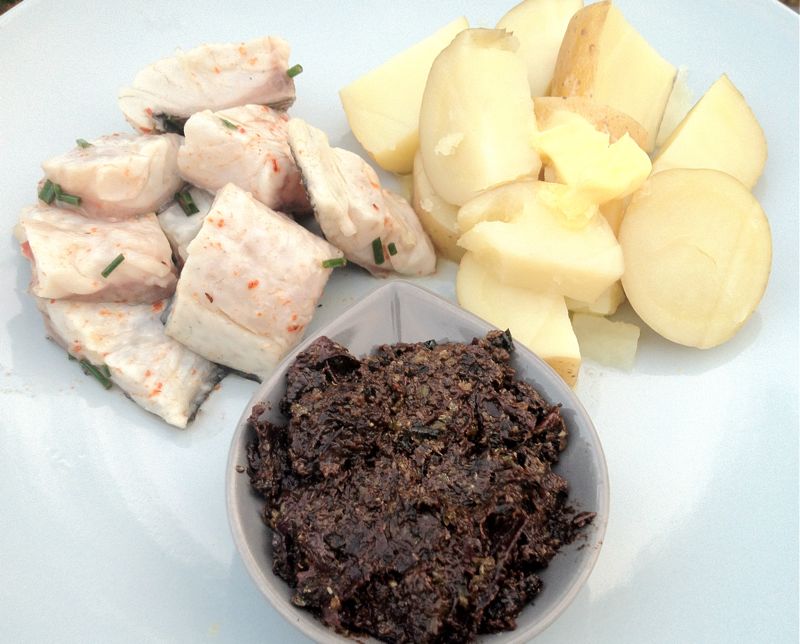
I served mine with boiled Charlotte potatoes (Sainsbury’s Basics Salad Potatoes are the less shapely Charlottes and are under a quid) and with the lime and salt rich ceviche on the side. This is not entry level umami. This is the equivalent of the 80s ads where the Tango man slaps you round the face with a salty fishy savoury explosion. It’s addictively good. I smothered my spuds in tapenade and when I ran out of carbs, ate it by dunking broccoli florets in it, revelling in every tantalisingly over the top mouthful, unable to get quite enough of it.

The sharp of tang of the soft fish (and Felicity’s recipe with sea bream was bang on) cuts through the oiliness of the tapenade perfectly while enhancing it completely. This was one of those meals that took less than 15 minutes to make, was utterly simple in its ingredients and was so good I could hardly believe it. Just perfect for these lingeringly warm autumnal days, I can hardly believe how much I’ve fallen for dulse. This must mean I’m a grown up now!

Dulse Tapenade

Apple and Amaranth Granola

At this time of year I struggle for breakfast ideas. It’s not cold enough for porridge and I find it hard to get the lovely plums and greengages the season offers so find my bowls of bircher muesli less alluring without a fruity topping. I need something to shake me up a bit and hopefully wake me up a bit as well. The bite of granola seemed to fit the bill.

Raw amaranth grains

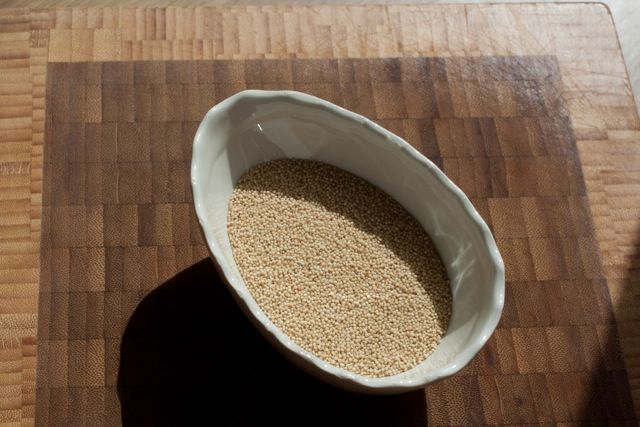
I’d been wondering what to do with the amaranth I’d impulse purchased at Whole Foods a while back and decided that a granola might lift it from looking like birdseed to something more appetising. As terrified to get it wet as Zack should have been with his Mogwai in Gremlins after hearing it goes gluey, I popped it in a hot pan first, turning it from plain seed to toasty treat.

Popped amaranth seed

Amaranth is an ancient grain (from a grass I believe) and is similiar to quinoa in that it is gluten free* and high in protein and fibre. It makes interesting sounding porridges, but I think it most appetising dry cooked to keep it nutty and crunchy. Bearing in mind that the seed is so crunchy, I decided to make the rest of the granola a little bit softer by coating it with stewed apple instead of oil. Everything about this recipe was impulse based so it’s in cups, not weights.

Apple and Amaranth Granola:

  • 2 apples, stewed down to make one cup of apple puree
  • 2 cups jumbo oats
  • 1/2 cup amaranth
  • 1/4 cup wheatgerm (optional if your granola is wheat free)
  • 1/4 cup sesame seeds
  • 1/2 cup pumpkin seeds
  • 1/2 cup pecans, halved
  • 1/2 brazil nuts, halved
  • 1/2 cup honey (or treacle)
  • 1/2 teaspoon ground ginger
  • 1/2 teaspoon grated nutmeg

First, stew your apples. Back in Belfast where I made this, it’s dead easy to get proper Bramley apples for cooking, but I struggle to find them in London, so just use anything sharp and tangy. Peel, slice finely, add about a tablespoon of water and stew until soft and like a puree. They’ll collapse in on themselves if left at the lowest heat with a lid on for about 20 minutes.

Then using a hot dry pan, toast your sesame seeds and set aside. Have a lid handy and then into the same pan, put your amaranth and toast until about 40% of it looks like tiny white popcorn and the rest is golden brown. It won’t all pop, but what does will go everywhere so you’ll need that lid!

Place all your dry ingredients in a bowl. You can add more types of nuts if you like. Hazelnuts would be lovely. Some flaked coconut is fabulous. You could add in some linseeds or sunflower seeds. Play around to get your perfect mix. Heat the pureed apple and the honey together and then mix into the dry ingredients, mixing well to make sure they are all coated.

Cook on a shallow tray so the granola is well spread out in the oven at 200℃ for about 20 minutes. Turn it over at this point and give it another 10 minutes until golden and crispy looking but not burnt. Cool in the tray and put in an airtight container immediately as this granola is a bit softer than oil based ones and will wilt gently if left out for too long.

Eat clusters of it with your bare hands while doing so or wait until you can get it into a bowl where it is fabulous with fresh berries and yoghurt. Healthy and filling, this doesn’t taste wholesome or lacking in flavour. The amaranth is nutty and packed with flavour and the chunky nuts make this feel very luxurious indeed. Considering it takes so little time to make, I’ll definitely be doing this again instead of spending serious money on boxed mueslis or granolas. Their packaging migh look nice on the table, but you don’t get to pop your own ancient grains with those….

*this whole granola can be gluten free if you choose oats that guarantee themselves GF in processing. See the Coeliac Society for more info from people in the know.

Apricot and Rosewater Conserve

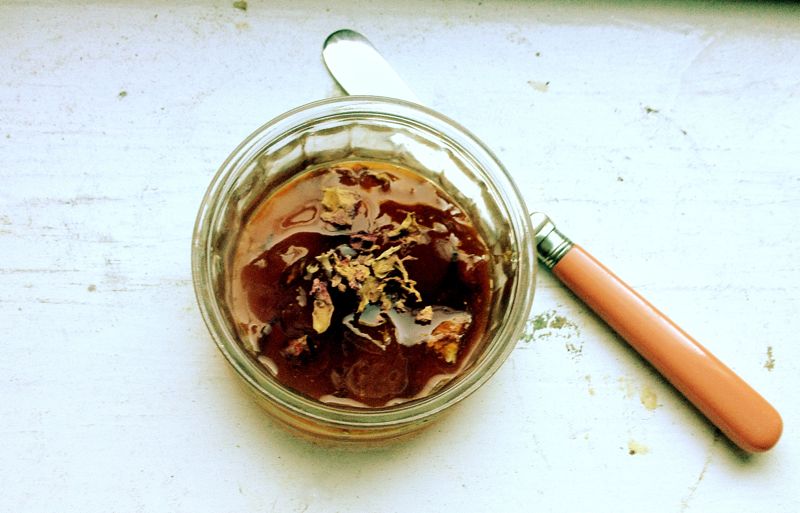
Apricot and Rosewater conserve

It was inevitable after my marmalade making fun earlier this year that I would enter the jam making world as well. It came about accidentally when after buying some plump looking apricots in the market as a change from the constant stream of flat peaches and white nectarines, I bit into one and all I could think was ‘cotton wool’. The apricot is a fruit has doesn’t work for me unless it’s cooked. I roasted the rest of that batch, scattered with rosewater and flaked almonds and they were fantastic on bircher muesli.

But after a Twitter conversation with the lovely @RachaelParkman who is the Peckham preserve queen, I decided my first foray into jam would be apricot so that the taste of summer would remain at my table for months to come. Plus it makes such a good base for cake decorating, I might do more marzipan making.

I turned to my preserve Bible ‘Let’s Preserve It‘ by Beryl Wood which was reissued recently in hardback and it’s delightfully British and excellent on jams and conserves. (For the record, jams are cooked down fruit puree, while conserves retain chunks of fruit in with the puree.) I must say, I only picked the conserve recipe because it used less sugar and I’d brilliantly managed to tip a good amount of my kilo bag down the side of the cooker and into the box of mouse poison there and couldn’t be bothered to go to the shop for more…

Apricot and Rosewater Conserve: makes about 6 jars each 160ml*

  • 900g (2lbs) fresh apricots
  • 900g sugar
  • 1/4 pint water
  • juice of two lemons
  • 2 tbsp rosewater
  • 2 tbsp rose petals (optional)

Make sure your apricots aren’t bruised. Soft ripe fruit is fine, but don’t use fruit you wouldn’t eat yourself or it can make the conserve bitter. Wash well. Stone the fruit and then cut each half into quarters.

Put the fruit in a pan with the sugar and the lemon juice and and heat gently along with the water until it is boiling gently and then continue boiling until it starts to set. This took me about 30-40 minutes while the fruit broke down into a pulp and the sugar and water became syrupy. Stir frequently. I then used the good old wrinkle test on a cold saucer and then took the pan off the heat.

I added in one tablespoon of the rosewater and tested another snippet of the jam on the saucer until it cooled and tasted it. It wasn’t quite enough so I added a second scant spoonful and then added in the rose petals. I’d sprinkled these lightly with water so that they didn’t float in the conserve and stirred them through well before filling my jars as usual.

This was very easy to make and lifted some uninspiring fruit to something really wonderful. The rosewater brings out the apricots’ sweetness and makes this a very grown up addition to the breakfast table. I love the texture with its chunks of fruit instead of the sticky-sweet nature of commercial preserves. I’ve been heaping it on toast and enjoying the summer flavours as the season changes…


*I use Sainsbury’s Basic Mint Sauce jars. Under 30p a jar and a useful marinade, they are the best way I’ve found to get standard sized jars for jam and marmalade that aren’t huge or very expensive. Plus I enjoy the look on the delivery driver’s face when he hands me 14 jars of mint sauce.

A trilogy of fried chicken…

Three gluten free fried chicken recipes

I hear fried chicken is the next ‘junk food’ to get the gourmet treatment and because I live in Brixton, my tolerance for hipster venues is plummeting, I decided it was time to conquer my fried chicken demons and learn how to do it at home where the whole thing would take less time than queuing up in Market Row. I also decided to set myself the challenge of making it all gluten free as well…

I’m not gluten or wheat sensitive, but for some reason three different people have had conversations with me recently about fried chicken coatings that happen to be gluten free, so inspired by their enthusiasm, I thought I’d steal their ideas and do a fried chicken crunch off, testing each version against each other. All three were good. All three were easy. One was a clear winner.

I standardised a bit. Each recipe does 4 pieces of chicken. All the chicken was free range and was bone in and skin on thighs. I marinaded them in yoghurt loosened with lemon juice to save you all hearing my obsessive rant about why you can’t get proper buttermilk in England again. This would be brilliant marinaded overnight, but a couple of hours will do nicely. About 20 minutes before you need them, drain the thighs in a sieve so they aren’t too wet. Then turn attention to the coatings.

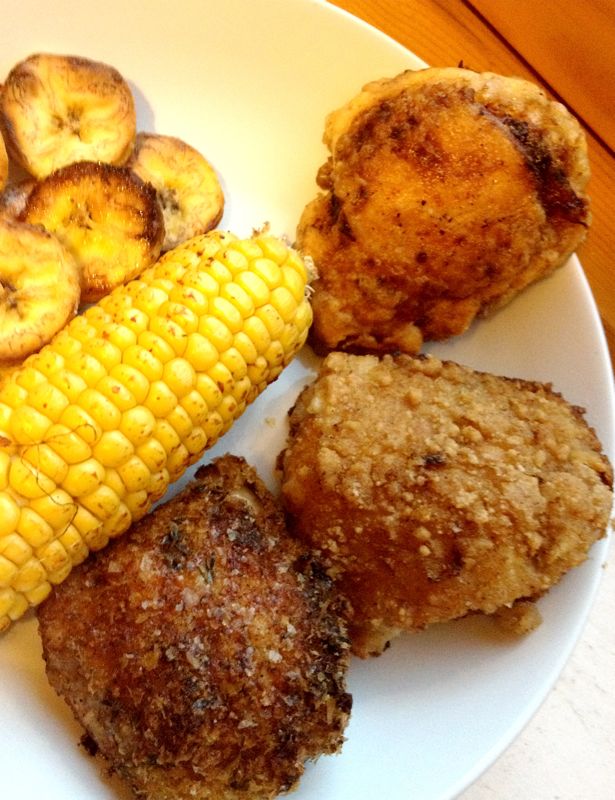
Potato fried chicken: (first piece from the front)

This is basically going a bit 70s and using dehydrated instant mash flakes as your topping. You need the cheap ones from a Basics range so that you don’t accidentally end up with potato paste over chicken skin. It’s dead simple. Put 1/2 cup or about 50g of flakes in a shallow dish and add the seasoning of your choice. I went with thyme, black pepper and paprika. Then dredge your chicken well each side without shaking too much coating off and shallow fry for 10 minutes, turning gently or spooning hot oil over the other side to firm it up before turning. Finish off for 10 minutes in the oven at 180℃. Or simply cook in the oven the whole time without adding any extra oi at 200℃. It won’t be as golden, but it’s quick, easy and crunchy at the same.

Rice flour and cornflour fried chicken: (middle piece)

Slightly more complicated than the first recipe, this has three ingredients instead of one. Mix 1/4 cup of rice flour and 1/4 cup or 25g of each in a dish and add your choice of seasoning. I used Old Bay and cayenne. Then add 4 tablespoons of the yoghurt/buttermilk mix and with your fingertips, rub together until you get what looks like slightly damp breadcrumbs. You don’t want it sticky or too clumpy so keep rubbing til it’s right. Then coat the chicken on each side making sure there are no lumpy bits and shallow fry as above. Or again, oven cook the same way.

Egg white batter fried chicken: (furthest from the front)

A little bit Chinese in style, this one uses egg whites and cornflour beaten together to make a batter. I used 2 egg whites (from the approximately 9000 leftover from my ice cream making) and 1/4 cup cornflour whisked together. I’d run out of seasoning ideas, but some garlic powder might have been good here. Your batter needs to be thick, not liquidy and move quickly or it’ll solidify into something like cement.  Coat the chicken well and then fry. This one needs oil, not the oven. I ended up with a light puffy batter on each side and an uncooked seam from shallow frying. I basted it with hot oil to rid me of this, but it might have been easier to deep fry it. Rest it in a warm oven for 10 minutes after cooking through.

All the chicken was incredibly juicy and tender from its lactic acid bath. Each one had a good contrast between the coating and the meat, but my winner was the potato coating. The rice/corn flour one had a floury squeaky mouthfeel that cloyed slightly, while the batter one was a bit greasy as it absorbed a lot of oil in comparison to the others and both lost their crunch quickly on the plate, becoming a bit gluey, while the potato flakes held up well after cooking and had the most interest to me. It would also have worked well as an oven dish and would be good with fish instead.

I liked all of these better than my usual wheat flour recipe which required marinading, egging and coating and then double dipping to get a good crunch on. The gluten free ones were all very simple and it pleased me the simplest one of all won out. I served my chicken with some roasted plaintain and chilli rubbed corn on the cob for a carb fest, but some slaw would cut through it all nicely and add some colour to the plate. Serve with a refreshing beer and you’ll be frying tonight without having to leave the house…