Blackened corn chowder with deep fried bacon

Blackened corn chowder & deep fried bacon

I adore sweetcorn in soup. I love those corn soups thickened with egg in Chinese restaurants and every year when the cobs are in season I make the divine chicken and sweetcorn soup from the first Leon cookbook, all sweet with corn and sticky with marinaded chicken. But this year I had branched out a bit and been using the first ears for salsa. I’d roasted them on the barbecue til smoky and tossed them with scallion and avocado and lots of lime and watched my dinner guests not scrap over the last spoonful.

Making the most of my glowing coals last weekend, I did some sweet potatoes on the embers and charred as much corn as I had in the house, setting it all aside for a less sunny day when I wanted the flavour of summer. It didn’t take long and by Wednesday I needed to be reminded it was August and turned my attention to the leftovers and immediately thought of a summer soup…

Bacon and corn are natural bedfellows, but I wanted this soup to be easily meat free if you baulk at battered bacon or don’t want to use chicken stock, so the bacon tops it and the stock can be vegetable based. I’d top it with avocado in this case and add some hot sauce to the soup.

Blackened corn chowder with battered bacon (serves two)

  • 2 ears sweetcorn
  • 2 orange fleshed sweet potatoes
  • 2 scallions
  • 200ml stock
  • 100 ml milk
  • 4 rashers of streaky bacon
  • 50g self raising flour
  • 50g rice flour (or all self raising if you don’t have rice flour)
  • 150ml ice cold sparkling water
  • pinch cayenne
  • milk to cover
  • oil for frying

First blacken your corn. The best way to do this is roast them over the barbecue, but you could parboil the ears and then pass through a gas flame or under a smoking hot grill until charred in places. Leave to cool until you can handle the corn and then strip the kernels off with a sharp knife.

If you are using vegetable stock, chop the ears in half and simmer in with your veg to make a super corn-infused stock for the soup.

While that’s doing, cut your bacon rashers in half across the way so you have twice the number of pieces and then cover them with a bit of milk. This will help the batter stick to the bacon and not just slide off in the hot oil.

Chop your scallion and sweat in a bit of oil. If the sweet potato is raw, chop it small and sweat too. Then add in the corn and just cover the veg with stock (you may need less than the amount stated) and simmer until everything is tender. Then take a third of the soup out and blend the remaining, adding the milk as you do. Add the chunky third back in and warm the soup gently.

Put your oil on to heat and make your batter by combining the two flours and the water and cayenne to make a thick, but not solid batter. The rice flour and sparkling water will make the batter very light and puffy, making sure the rashers cook quickly and without becoming shatteringly crisp. Lift the rashers out of the milk and into the batter and then into the oil. The batter puffs and spits slightly but a minute each side should do it. Drain on kitchen roll.

Serve bowls of warm soup with two rashers of bacon on top. The soup is sweet with the veg and the salty slightly spicy bacon cuts through it beautifully. Everything tastes so summery and the bacon is amazing. Cooked til tender enough to split the rasher with a spoon’s edge and crunchy with batter, you’ll want your bacon deep fried every time, not just when the sweetcorn is in season!


Breadfruit Caesar Salad

Breadfruit caesar salad

I was lucky enough to be offered a cookery masterclass at the hottest restaurant in South London, Bubba’s in Tulse Hill, a few weeks ago. Kitted out in proper whites and everything, I had the undivided attention of their Michelin trained chef, Anthony Cumberbatch who spent several hours talking me through a multitude of Caribbean classics and ingredients.

While the curry goat and oxtail stew simmered, I sampled the menu in the restaurant, loving every minute of the jerk pork belly and the tender trio of fish and seafood with a rich spice crust. The fried plantain with ginger compote was so good I may have run my finger round the bowl when no one was looking. The staff were incredibly friendly and helpful and the portions were so substantial, I could only manage the (excellent) sorbet selection of mango, melon and pineapple after my meal even though the other desserts such as mango strudel or the exotic fruit plate sounded great.

Jerk pork from Bubba's Tulse Hill

Back in the kitchen Anthony showed me a ingredient I had never even heard of, let alone cooked, in the shape of a breadfruit. Starchy, yet slightly spongy, this fruit absorbs flavour brilliantly, making it a fantastic side dish. It was delicious fried up with some jerk spices and even more than the okra and the goat, I felt inspired to cook with it after the class.

Whole breadfruit

This warm weather cries out for salad and there’s few that I love more than a Caesar salad with a umami rich dressing and crunchy croutons. Still fixated on the breadfruit, I wondered if instead of my usual sourdough croutons I could deep fry some chunks of the fruit and scatter them over crispy romaine lettuce. I had a feeling I’d enjoy finding out…

Breadfruit Caesar Salad: serves two

  • 1 romaine lettuce
  • quarter of a breadfruit (most stalls in the market will cut it as required)
  • 5 tablespoons breadcrumbs (I used panko)
  • 2 tablespoons grated parmesan
  • 1 large egg, beaten
  • 2 anchovy fillets
  • Oil for frying (not olive)

For the dressing:

  • the remains of the egg from above
  • 1 egg yolk
  • juice of one lemon
  • 50g parmesan, shaved
  • teaspoon Worcester sauce
  • 2 cloves garlic (or heaped teaspoon garlic puree)
  • teaspoon capers
  • teaspoon mustard
  • 100ml olive oil
  • freshly ground pepper

Peel the knobbly skin off the breadfruit and remove the inner seeded core. The flesh should be slightly spongy but not soft. Cut into inch chunks and then dip in the beaten egg and then dredge in the breadcrumbs and parmesan until coated. Double dip if you like it really crispy and then fry in hot oil until golden brown and crunchy all over.

Mix the lemon juice, worcester sauce, smushed up capers and garlic and mustard together, add in to the remaining egg (this gets round the fact one egg is always too much when breadcrumbing things) and the egg yolk. Then pour in the olive oil as you would to make a mayonnaise and whisk until emulsified. If it doesn’t thicken, add a blob of mayo instead of panicking.

Drizzle the dressing over freshly washed romaine lettuce, chopped anchovy fillets (leave these out if unlike me you aren’t a member of Anchovies Anonymous) and slivers of parmesan and then add the crispy crunchy croutons. Add a bit more dressing for luck and plenty of pepper and tuck in.

The breadfruit is fluffy in the middle and gorgeously golden on the outside, like the perfect crouton combo. It works extraordinarily well with the anchovy rich dressing and the savoury parmesan. If you use just the parmesan or sub gluten free breadcrumbs you can still eat Caesar salad if you’re gluten intolerant. Try adding more capers and some nutritional yeast to substitute the Lea and Perrins and anchovies if you don’t eat fish. This meal is so good you’ll be serving it to everyone. In fact, it’s good enough to go on the menu at Bubba’s in my opinion!


West African Inspired Mussels and Chips…


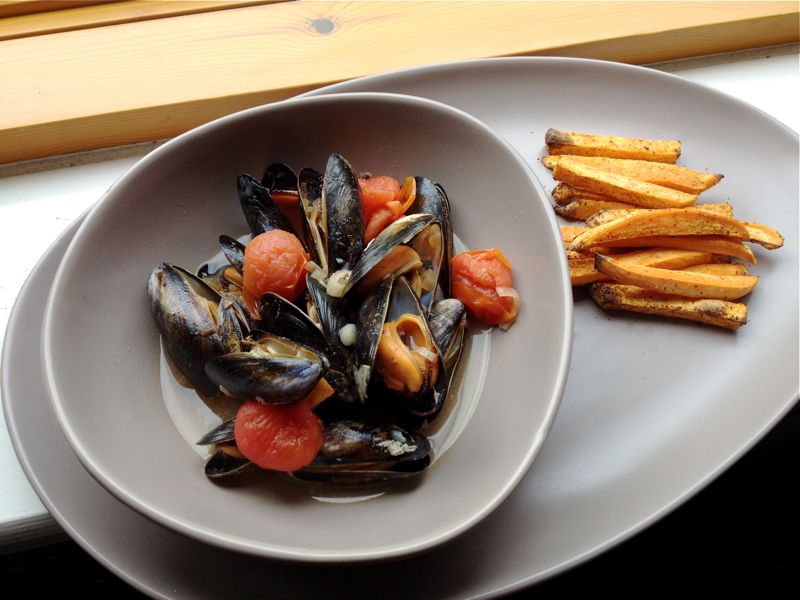
West African inspired mussels and chips

Much and all as I love summer, the months without an ‘R’ in curb my ability to eat shellfish as much as I’d like. So thank goodness for the humble mussel which can be eaten all year round. I love them in the summer as a light simple supper that doesn’t need much standing over a hot stove (normally because of the high temperature outside, but this year so it doesn’t cut into my watching TV under a blanket time…)

The French style is most common with mussels and although I love it, I wanted something a bit fresher and punchier.  Some fat scarlet tomatoes from O Talho caught my eye on the way back from Dagon’s and I’d just picked up some picture perfect red chillis from the Wing Tai Asian Supermarket. But as well as the warmth from the capsicums, I wanted some tingle and my mind went to the pod of alligator pepper a friend had gifted me after we shopped in the Village one Saturday.

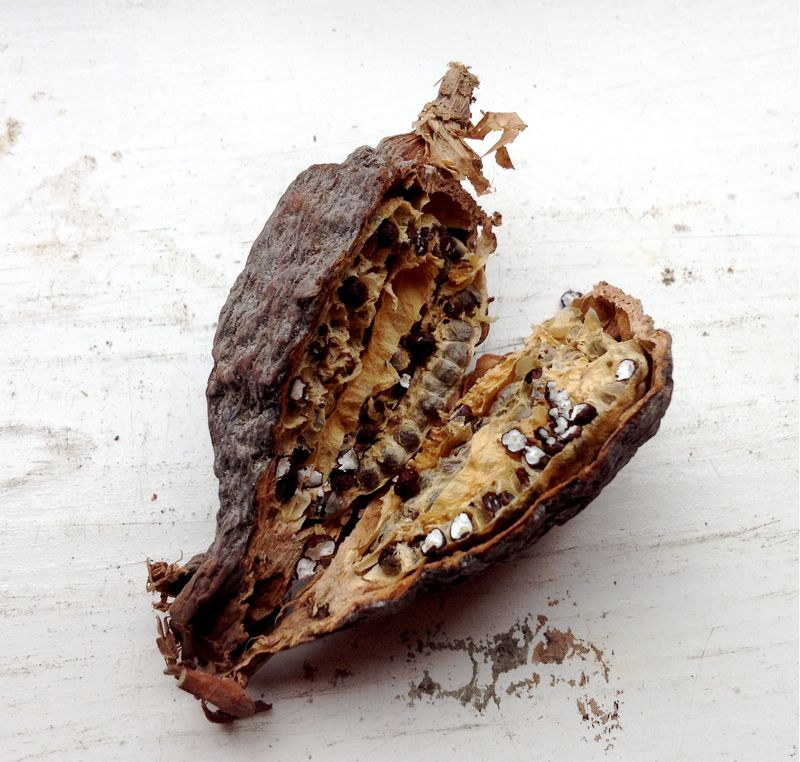
Alligator pepper pod

Highly prized in West Africa, especially Nigeria where the Yoruba incorporate it into naming ceremonies for babies, this pepper comes in a dry pod that looks like an alligator’s back and has a warm bite of pepper mixed with a slight hint of cardamom. I’ve mainly seen recipes for it involving fish and tomatoes so I knew it was likely to work with my mussels. I have no idea how authentic this might be though…

West African Inspired Mussels and Chips: serves 2 comfortably

  • 1kg bag mussels
  • 1/2 pod alligator pepper
  • 2 banana shallots or small onion
  • two handfuls of cherry tomatoes
  • 1 red chilli or 1 tsp hot sauce
  • 150ml water
  • 2 tsp oil
  • 4 sweet potatoes

First clean your mussels well. Pull the beards from them and discard any that are already open and that don’t close when tapped or that are broken. Leave them to soak in cold water to clean out any grit while you turn your attention elsewhere.

Heat the oven to 200℃ and then peel your sweet potatoes. I used orange fleshed ones from the supermarket. Cut them into chips, making sure that they are all roughly the same size and thickness so they cook evenly. Toss in a light coating of oil and then cook. I used a mesh tray like this which cuts the cooking time and washing up, but you are using an oven tray, they’ll take about 25 minutes.

About ten minutes before the chips are ready, finely dice your shallot and cook in a small amount of oil on a moderate heat until softened but not coloured. If using the chilli, cut finely and add to the shallot. Keep the seeds in if you want more heat. Then take the alligator pepper pod and scoop the seeds out and grind them in a pestle and mortar before adding to the shallot and chilli to cook out slightly. Cut your tomatoes in half and add to the pan. You don’t need any extra seasoning.

When the tomatoes start to collapse slightly round the edges, add in the cleaned wet mussels to the pan. Pour the water on top and put the lid on and cook for about 3-4 minutes or until the mussels have opened and the tomatoes are thickening the juices. Take off the heat and leave the lid on while you dish up the sweet potato fries on a separate plate. Then serve the steaming hot mussels in bowls with a good amount of the tomato rich liquor and then dig in.

The best way to eat mussels is to use the empty shell to pick the meat out of the next. Discard any mussels that haven’t opened and enjoy each flavoursome mouthful as the warmth of the chilli and alligator pepper builds a tingle on your lips and the pile of shells grows. Best eaten with a ice cold beer, a roll of kitchen paper and some non judgemental friends to hand!


This post first appeared over at Brixton Blog celebrating all our lovely local shops.


Brixton Marmalade

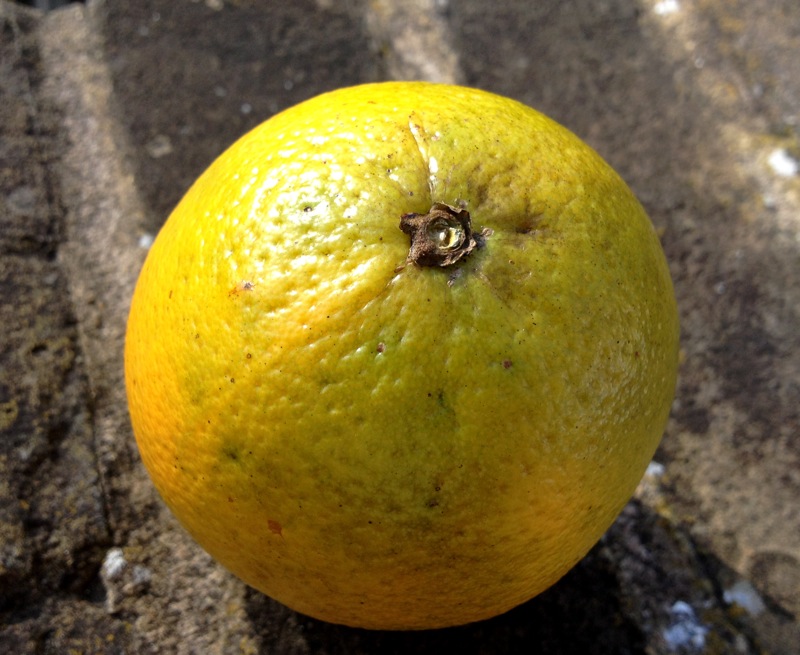
Walking through Brixton Market is a riot of fresh fruit and vegetables of all colours. Some are familiar, but sometimes your eye is caught by something you don’t recognise, which is exactly what happened when I saw green oranges on many of the stalls. Some questioning and Googling later, I realised these are Jamaican oranges and not just the colour is different. They are thinner skinned than the peeling sort like Jaffas we are used to in the UK with plenty of pith and pips and a bittersweet flavour. I knew immediately that they would make the most fabulous marmalade…

I was sure I didn’t really like marmalade after one too many single serve portions of Golden Shred in a B&B. Sickly sweet instead of tangy and tasty, the commercial version leaves a bad taste in my mouth. Determined to overcome this dislike, I decided to try making my own and see if I could be convinced. Not only was I won over in abundance, I’ve become slightly obsessed, making pots and pots of the stuff from every citrus I can get my hands on, entering the World Marmalade Awards and slathering it on doorsteps of Wild Caper sourdough like there’s no tomorrow. The homemade stuff tastes amazing and is incredibly cheap and easy to make. You’ll never look back.

To make 2 large or 4 small jars you’ll need:

  • 800g of Jamaican oranges (about 4 in total)
  • 1 lemon
  • 3 pints of water
  • 1 kilo of sugar
  • 2 tablespoons rum
  • jars, empty and well washed
  • muslin cloth (look in the baby section for these cheaply)
  • length of string
  • cellophane jam jar covers, wax covers & elastic bands
  • two saucers or a food thermometer

The marmalade is very easy, but it does take several stages and needs to left overnight. Don’t be daunted though!

Start by cutting the oranges in half and juicing them. You should get about half a pint from this amount of oranges. Reserve the juice in a jug. Keep any pips you came across and soak them in water. Then chop your orange shells. Pull the most fibrous flesh out and then cut the peels in chunks of your choosing. I like my marmalade quite thick cut for flavour and ease of prep, but it’s your choice.

Soak the peels overnight in about 2 pints of water until it turns orange and smells delightfully citrus scented. Bring it all to the boil and then simmer for up to hours or until the peel is soft and squishy, but not pulpy. Add in a bit more water if needs be.

Iron your muslin cloth (and cut it to be smaller if needs be) and gather the reserved pips in it like a purse, tying to the handle of the pot so it hangs down into the boiled peel mix. They contain extra pectin that helps set the marmalade. Turn the oven onto 160℃ and put the jars in, using a baking tray rather than trying to grab individual hot jars with oven gloves and feeling like you’re playing a game fit for particularly sadistic PTA fundraisers. Get your thermometer to the ready if you have one or put your saucers in the freezer if you don’t.

Add the reserved orange juice to the mix, pour in the sugar and the lemon juice and bring the pot back to the boil. This is the stage when you work your magic and turn the mix into marmalade by heating it to 104℃ exactly. The thermometer will tell you this with ease, but you can also tell by spooning a drop or two of the boiling liquid onto a cold saucer, leaving for a sec and testing it with your finger to see if it ‘wrinkles’ when pushed. If it does, you’ve reached 104℃ and if it doesn’t, keep trying with alternate chilled saucers til it does.

Take the pot off the heat immediately. Add the rum (or ginger if you prefer a teetotal kick) and stir well. Leave the marmalade to sit for a minute or two to stop the peel sinking in the jars and then carefully fill the jars you’ve just taken from the oven right to the brim. Both the jars and the marmalade are obviously devilishly hot so keep your wits about you and any small children and pets away. Cover with the wax circles from your little kit.

Allow the jars to cool just enough to handle, then wet the cellophane lids well with a clean washing up sponge and stretch tightly over the top of the jar and fix with the rubber bands. This is fiddlier than you’d think and there may be some sailor’s language to accompany the rum. Let the marmalade cool completely and set before digging in and sampling your handiwork.

You’ll be amazed. It’ll be punchy with citrus and a slight hint of smooth rum with each peel exploding into little chewy nuggets of deliciousness. You won’t be able to stop yourself having a second (or third) slice of marmalade smeared bread, but if you can bear to part with a jar of it, your boss will understand why you are late for work now breakfast has become the highlight of the day again!

Jamaican green orange

* This post originally appeared on Brixton Blog who kindly asked me to write a local recipe and is re-posted here due to popular demand.

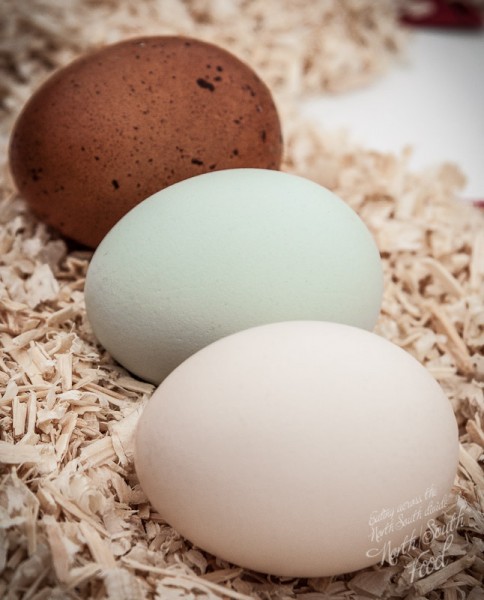
Three beautiful duck eggs on display at the Todmorden Agricultural Show

Cracking stuff: in praise of the duck egg…

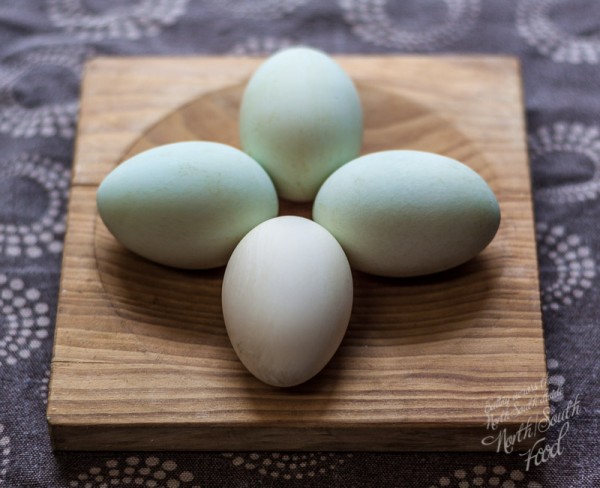
Three green and one white duck egg

So that moveable feast, Easter, is well and truly behind us for another twelve months or so. It’s a time of the year which is synonymous with eggs – as a symbol of life, of change, as a treat or gift, and as the rebirth inherent during spring. Our modern Easter is a convenient, contradictory and sometimes conflicted mélange of pagan, Christian, and (increasingly) consumerist influences; and there’s plenty of scope for debate about the origins of many of the things we associate with this time of year. Sidestepping much of the ideology and etymology, I’d just like to talk about eggs…*

Actually, it’s hard to think of a more elemental, universal and iconic foodstuff than an egg. Considering eggs (and duck eggs in particular) are one of the favourite and most-used ingredients in my kitchen, it surprised me to realise we’ve never written a piece in praise of them.

They crop up in plenty of our recipes; they’re the first thing I buy when I go to the market each week; they’re my number one packed lunch item (the ultimate self-contained foodstuff). So this is a celebration of eggs, and especially the duck egg, which is indelibly wrapped up in my past memories and modern routines.

Three beautiful duck eggs on display at the Todmorden Agricultural Show

Read more