Blood orange marmalade

Bloody Old Lady Marmalade

Blood orange marmalade
When we were kids, we mainly took family holidays in Italy. In the sun and beautiful countryside of southern Tuscany, we ate wonderful food and relaxed away from day to day life. Our parents often combined the best of both worlds and relaxed as they cooked the evening meal with a long cool gin and tonic. Sometimes the gin was carried from home, but usually it was bought in the hypermarchés we stopped at across the Continent and were lesser known brands such as Bosford or Old Lady’s Gin. Even as a nipper, I was tickled by the name of the latter, especially one summer when the bottle bought came with a can of Orangina Rouge made with blood orange and the exortation that you mix the two to get the hilariously named Bloody Old Lady cocktail…

Despite only sampling the Orangina Rouge sans gin at the time, this drink further fuelled Miss Marple inspired dreams of being a wee old dear before my time. Pairs of slacks, snap clasped handbags and trips to the Post Office with my wheeled shopping trolley all help the illusion, but when I found myself in possession of a big bag of blood oranges and a bottle of Tanqueray Export a few weeks ago, I knew the time had come to be all Women’s Institute and make marmalade fit for a Bloody Old Lady.
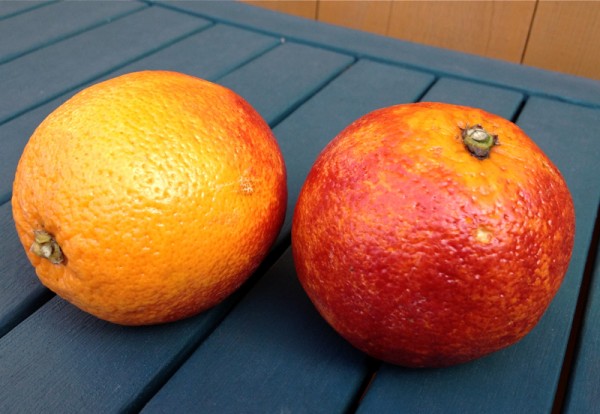
Blood oranges, in the skin

Not being a big eater of marmalade, I obviously had very little idea of how to make the stuff. I was adamant that if I was to sample my own wares, it would need to be a thick cut marmalade as I like a bit texture in my preserves. Having made one decision, I failed to do anything else like decide on a recipe or a method of marmalade making and pretty much made it all up from there on in.

Bloody Old Lady Marmalade:

• 6 blood oranges
• 1 large pink grapefruit
• 2 kilos of sugar (I used half regular sugar and jam sugar)
• 2-4 tablespoons good quality gin

I used six blood oranges and one pink grapefruit, stripping the peel off the fruit with a knife. Being a lazy sort, I did not start removing all the pith from the peel and putting it in a muslin bag to go alongside the peel, but left it on the peel. I then juiced the fruit and squashed up the remaining segments to maximise the citrus hit. I had no pips, but if I’d had them I’d have kept them to put inside a muslin bag to help set the marmalade.

I then boiled the be-pithed peel in about 3 pints of water until the peel had started to soften and the water had started to turn the same colour. I then took the peel off the heat and keeping the citrussy water, divided it into two pans as I don’t have one big enough for both. Half the water went in both, along with juiced up fruit and a kilo of sugar in each. I mixed half a bag of each regular and jam sugar with extra pectin and bunged that in. I then boiled the mixture until it reached the magic alchemy point of 220℉ or 104℃ that turns a load of citrussy gloop into marmalade. This is easiest with a thermometer but having smashed mine to ribbons, I used the simple trick of finding the ‘wrinkle point’ on a cold saucer. Once a drop of the hot liquid sets and creases up when you run a finger over it, you have your set point and the marmalade needs to come off the heat immediately.

Allow the pan to sit for about five minutes, easing down from a scary pan of spitting sugar and potential burns, to a gentle pop and sigh of citrus deliciousness (do not forget yourself and put your finger in there). This gives you time to get your jars out of the oven where they have been sterilising, clear space for filling the jars and more importantly for the peel to settle so you don’t end up with it floating on top of your jars once they are filled. Once the marmalade is calm again, add 2 tablespoons of gin (I used Tanqueray Export. It needs to be robust for this) to each pan and stir through before filling the jars. If you add the gin too early, you’ll burn it off and lose the flavour, but don’t be tempted to pour lots in as the alcohol loosens the set of the marmalade and you’ll end up with something more like a lumpy cocktail. Seal the jars with wax circles and cellophane lids and leave to cool completely.

Sliced blood oranges, ready for marmalade

I recommend making a large loaf of bread while this is happening because the instant this marmalade is set and cooled, you are going to want to slather it generously on hot buttered toast with a good strong tea on the side. The blood oranges have a more rounded flavour than their non-red cousins and that slightly soft fruit taste comes through, given a tasty kick with the gin. The first jar I opened was all gone within 24 hours. The second didn’t last much longer. I ate marmalade for breakfast, lunch and dinner, only giving jars to those I love dearly. Giddy with my own preserve superpowers, I entered a jar in the novice category of the Marmalade Awards at Dalemain Mansion, hoping to get further tips on my scorecard. The good folk of Cumbria must have heard my shriek of ecstatic glee when a certificate arrived awarding me bronze! I celebrated by dispensing with the bread and eating more marmalade off the spoon while counting down the days til further blood orange crops. I’ll just make twice as many jars next year!

2012 Marmalade Awards, Fortnum and Mason, London


Local northern food to put a smile on your face

Northern Stars supper club. Pt.2: local food for local people

sliced rhubarb

(This is the second article on our Northern Stars supper club… you can check out part one here)

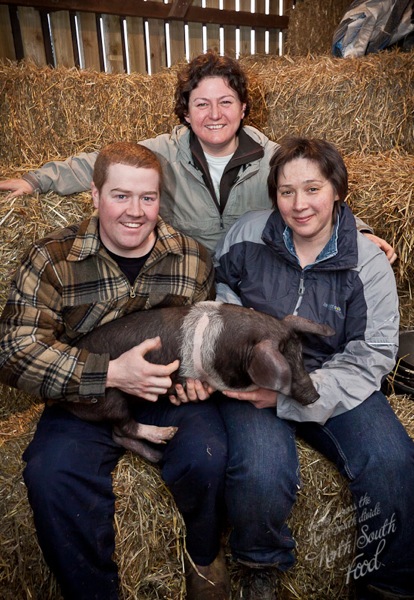
When we had to name our team for the recent ‘A Question of Taste’ TV show, I rather glibly chose Northern Stars… it chimed with our team’s all-northern roots, and echoed North Star Deli’s title as the genesis of our team. When we hatched plans for our recent supper club after the show, that name morphed to became a genuine manifesto for the evening. I was keen to make the JoinUs4Supper evening a showcase for some of our favourite local food stars and producers… the products I’ve known and loved for sometime… and those which I take down to Miss South in London, to bring a taste of the Pennines to the big city.

The combination for the night of farmer, chef and foodie gave us a chance to share some of these tastes with friends and fellow foodies in Manchester, and now we can share them with you too.

Northern stars local specialities 1

Read more

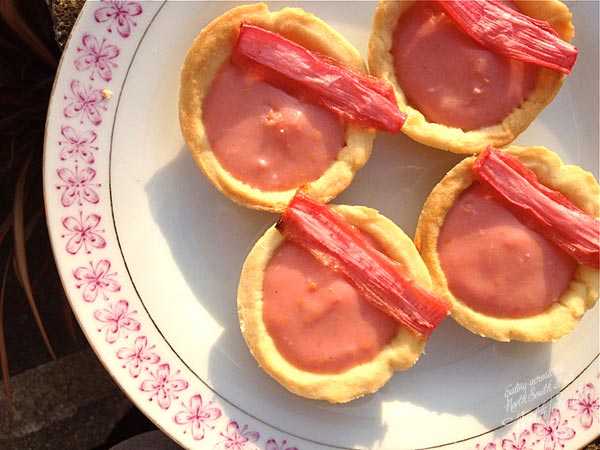
Rhubarb and custard tarts

Angled plate1 new

I love custard of any description. Whether it be Bird’s or Ambrosia’s Devon kind or fresh stuff poured over a crumble or a quivering baked version, I love custard. Sadly it has never reciprocated that love and everytime I’ve tried to make it, there have been problems. It’s split, ended up scrambled, been full of lumps and the packet version has resembled concrete. I’ve always thought if I wrote a book about my cooking exploits, it would be called ‘Custard is my Nemesis.’

Few things go better with custard than rhubarb so when I finally got my paws on some proper Yorkshire forced rhubarb for the first time this season (even though Mister North has been cooking up a storm with it for a while now this winter.) I decided that come hell or high water, this weekend would be the time that I tamed custard, even if it meant the kind of mayhem in the kitchen that accompanied the cartoon duo of the same name.

I’ve been eyeing Dan Lepard’s Bay Custard Tarts forever, even having cut the recipe out of the Guardian and kept it when it first appeared several years ago and thanks to the clear and foolproof instructions in Short and Sweet, I knew this was the place to start with custard, but decided to put a seasonal twist on it by layering the baked custard with a topping of tangy rhubarb curd, partly because it would no doubt be delicious, but because it might hide a custard malfunction…

I made the tart cases from scratch using Dan’s sweet shortcrust recipe and tips on pastry handling. The first time I made pastry it was exceptionally good and I wondered why people worry about it, but every subsequent time has been a mess of varying levels. I decided to try and teach myself better pastry skills while I was mastering custard, but you could just use shop bought if that’s easier. But do follow Dan’s tip to only blind bake the cases for 15 minutes and undercook them slightly to allow the custard to ‘stick’

Read more

Sticky, spicy ribs for a brilliant Bánh mì sandwich

Banh mi ribs 13

There’s been a bag of Porcus pork ribs in my freezer for the last couple of months, hiding under a furze of frost, waiting for the right recipe. Last weekend they received their calling when, leafing through the ‘Ginger Pig Meat Book‘ which I got for Christmas, out leapt an intriguingly simple recipe for spare ribs. Sounded perfect for bits of a ginger pig.

Over the years I’ve had a few goes at making slow-cooked, succulent sticky ribs – the last time was in the autumn, when I cooked them under foil at gas mark 1 overnight, before uncovering and getting a quick blast under the grill. They were good, but not gooey and crisp like proper BBQ ribs should be. Not enough time marinading beforehand, letting the flavours permeate every sinew of the meat. Miss South and I went to Bodeans in Clapham a couple of years ago, and enjoyed massive mounds of BBQ meat, and I’ve had good ribs in the States, but was never able to replicate that kind of taste at home. Until now.

Read more

Home cured uncooked bacon

Makin’ Bacon

I’m not actually a big fan of bacon. Yes, it was the one thing that caused me to fall off the wagon when I was a vegetarian, but that was more to do with the fact of it being 10pm on a cold April day in Ireland up a mountain and the choice of either eating the proffered bacon butty or going to bed hungry and chilled to the bone. I don’t actually remember the first time I ate bacon after stopped being veggie and I only buy it about twice a year.

A recent care package from the north stuffed with Porcus bacon and Bury black pud reminded me that it’s not bacon I don’t like, it’s cheap or mass produced bacon that doesn’t float my boat. So since I can’t get Mister North to pop to the post office every week with some rashers from the Porcus girls, I decided that I would try making my own bacon to see if I could tempt myself.

A quick Google search established that I wasn’t setting myself an impossible task. Basically I needed a hunk of pork belly, a surprisingly small amount of salt, saltpetre and some time. It sounded fairly simple and I was quite excited to get cracking. I went to Walters in Herne Hill and got him to cut me 1.8 kilos of pork belly into two pieces (including the bones) and skipped home to get curing.

Read more