
Saltfish and Parsnip Croquettes

When I was wee, you saw croquettes on the menu quite often, usually involved leftover potato and tinned fish in luridly orange breadcrumbs and often oddly accompanied by chips for triple carbing. This rather British concoction has fallen out of favour, replaced by the rich bechamel filled croqueta of tapas bars as we become more cosmopolitan. I rather miss the old version and when I was picking up some saltfish in the market the other week, my mind went toward reinventing, and hopefully reviving them.

I love the firm texture of saltfish or salt cod and since discovering that it freezes well after soaking, often have some to hand since it is eternally versatile. I also often have leftover mash as I find it a kitchen staple. I just needed something else to lift the croquettes from their bland reputation and when rummaging in the fridge on a damp Bank Holiday and sincerely hoping I wouldn’t have to go outside, I stumbled across a parsnip and thought its spicy sweet flavour would go brilliantly with the fish. I suddenly had the perfect leftovers brunch!

Saltfish and Parsnip Croquettes (best as leftovers, slower to make from scratch)

  • 150g saltfish, soaked according to instructions. (I do a big batch and then freeze it for quick dishes)
  • 250g mashed potato (I use a ricer for super smooth mash)
  • 100g grated raw parsnip
  • 1 egg, beaten
  • 100g panko breadcrumbs
  • oil for frying

These are super simple and should take about 30 minutes to make including chilling. Peel and grate a large parsnip. Mix it into the mashed potato with your hands until well combined and then flake in the soaked saltfish, checking for any bones as you go. Season to taste (most of the salt will have soaked off the fish, but be cautious in case it hasn’t) and mix up well with your hands. Then take about a handful and roll into a ball, then out into a sausage shape. This amount should make six. Place on a slightly oiled plate and chill for minimum 20 minutes or until needed.

When you are ready for the croquettes, either heat a frying pan with olive oil for shallow frying. Crack the egg into a bowl and beat. Tip the panko breadcrumbs onto a plate. Then roll the croquette in egg and dip in the breadcrumbs and then into the hot pan. The panko crumbs which are made without a crust will become golden and crispy while the inside is hot and fluffy. Turn regularly giving each side about a minute. Drain onto kitchen paper. You could use a deep fat fryer if you prefer as this will do all sides at once. Serve with salad as a starter or with a poached egg on top as a main course. Chilli sauce is essential either way.

I like all the constituent parts of these so I expected to enjoy them. I was pleasantly surprised to adore them.  The breadcrumb coating was light and crispy and not at all greasy, giving way to a smooth filling crammed with firm flaky fish and peppered with still slightly crunchy parnsip that really came into its own, leaving behind its bland reputation completely. This was the best brunch I’ve had in a long time and I look forward to making them again and trying oven baking them as fishcakes. If you’ve ever wondered what to do with either saltfish or a parsnip, I can’t recommend these enough. If the croquettes of my childhood had been this flavoursome, they would never have fallen out of fashion!

*This post originally appeared over at Brixton Blog where those lovely Brixtonians let me have free run of their kitchen.

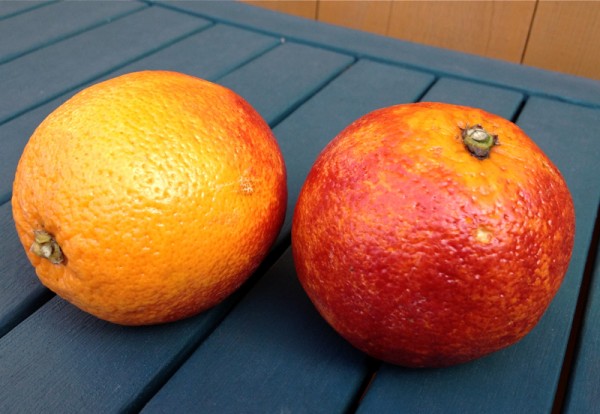
Blood orange marmalade

Bloody Old Lady Marmalade

Blood orange marmalade
When we were kids, we mainly took family holidays in Italy. In the sun and beautiful countryside of southern Tuscany, we ate wonderful food and relaxed away from day to day life. Our parents often combined the best of both worlds and relaxed as they cooked the evening meal with a long cool gin and tonic. Sometimes the gin was carried from home, but usually it was bought in the hypermarchés we stopped at across the Continent and were lesser known brands such as Bosford or Old Lady’s Gin. Even as a nipper, I was tickled by the name of the latter, especially one summer when the bottle bought came with a can of Orangina Rouge made with blood orange and the exortation that you mix the two to get the hilariously named Bloody Old Lady cocktail…

Despite only sampling the Orangina Rouge sans gin at the time, this drink further fuelled Miss Marple inspired dreams of being a wee old dear before my time. Pairs of slacks, snap clasped handbags and trips to the Post Office with my wheeled shopping trolley all help the illusion, but when I found myself in possession of a big bag of blood oranges and a bottle of Tanqueray Export a few weeks ago, I knew the time had come to be all Women’s Institute and make marmalade fit for a Bloody Old Lady.

Blood oranges, in the skin

Not being a big eater of marmalade, I obviously had very little idea of how to make the stuff. I was adamant that if I was to sample my own wares, it would need to be a thick cut marmalade as I like a bit texture in my preserves. Having made one decision, I failed to do anything else like decide on a recipe or a method of marmalade making and pretty much made it all up from there on in.

Bloody Old Lady Marmalade:

• 6 blood oranges
• 1 large pink grapefruit
• 2 kilos of sugar (I used half regular sugar and jam sugar)
• 2-4 tablespoons good quality gin

I used six blood oranges and one pink grapefruit, stripping the peel off the fruit with a knife. Being a lazy sort, I did not start removing all the pith from the peel and putting it in a muslin bag to go alongside the peel, but left it on the peel. I then juiced the fruit and squashed up the remaining segments to maximise the citrus hit. I had no pips, but if I’d had them I’d have kept them to put inside a muslin bag to help set the marmalade.

I then boiled the be-pithed peel in about 3 pints of water until the peel had started to soften and the water had started to turn the same colour. I then took the peel off the heat and keeping the citrussy water, divided it into two pans as I don’t have one big enough for both. Half the water went in both, along with juiced up fruit and a kilo of sugar in each. I mixed half a bag of each regular and jam sugar with extra pectin and bunged that in. I then boiled the mixture until it reached the magic alchemy point of 220℉ or 104℃ that turns a load of citrussy gloop into marmalade. This is easiest with a thermometer but having smashed mine to ribbons, I used the simple trick of finding the ‘wrinkle point’ on a cold saucer. Once a drop of the hot liquid sets and creases up when you run a finger over it, you have your set point and the marmalade needs to come off the heat immediately.

Allow the pan to sit for about five minutes, easing down from a scary pan of spitting sugar and potential burns, to a gentle pop and sigh of citrus deliciousness (do not forget yourself and put your finger in there). This gives you time to get your jars out of the oven where they have been sterilising, clear space for filling the jars and more importantly for the peel to settle so you don’t end up with it floating on top of your jars once they are filled. Once the marmalade is calm again, add 2 tablespoons of gin (I used Tanqueray Export. It needs to be robust for this) to each pan and stir through before filling the jars. If you add the gin too early, you’ll burn it off and lose the flavour, but don’t be tempted to pour lots in as the alcohol loosens the set of the marmalade and you’ll end up with something more like a lumpy cocktail. Seal the jars with wax circles and cellophane lids and leave to cool completely.

Sliced blood oranges, ready for marmalade

I recommend making a large loaf of bread while this is happening because the instant this marmalade is set and cooled, you are going to want to slather it generously on hot buttered toast with a good strong tea on the side. The blood oranges have a more rounded flavour than their non-red cousins and that slightly soft fruit taste comes through, given a tasty kick with the gin. The first jar I opened was all gone within 24 hours. The second didn’t last much longer. I ate marmalade for breakfast, lunch and dinner, only giving jars to those I love dearly. Giddy with my own preserve superpowers, I entered a jar in the novice category of the Marmalade Awards at Dalemain Mansion, hoping to get further tips on my scorecard. The good folk of Cumbria must have heard my shriek of ecstatic glee when a certificate arrived awarding me bronze! I celebrated by dispensing with the bread and eating more marmalade off the spoon while counting down the days til further blood orange crops. I’ll just make twice as many jars next year!

2012 Marmalade Awards, Fortnum and Mason, London


Top Hats! Or make more of your marshmallows!

Top down new

My childhood was punctuated by marshmallows. One of our aunts had a particular soft spot for them and visits to her house weren’t complete without dipping into the bag of pink and white numbers in the kitchen drawer by the table, even if it was before dinner. We often toasted them in front of my granny’s open fire on the end of a proper toasting fork and tried not to burn our tongues. Guide camps were never quite complete without trying to concoct one of those exotic sounding s’mores we’d read about in American books, even though we only had some Scotbloc and an own brand Rich Tea biscuit to hand. Every party had the Northern Irish classic of Fifteens which combined digestives, marshmallows and glace cherries to heartstopping goodness. And that’s before Mister North brought me a jar of Marshmallow Fluff when he moved to England…

I think we could safely say that I like a marshmallow. Yet as an adult I never eat them. In fact I haven’t seen a packet to buy for years. The humble marshmallow has fallen out of fashion it seems. Nothing would do but to make them. How hard could it be?

Read more

raw pork heart

I heart pork!

Pork heart new

It may have come to your attention that Valentine’s Day is upon us again. My reaction to the sea of helium balloons, fluffy teddy bears, reduced priced fizz, enormous boxes of chocolates and red roses in the shops is to say ‘stuff it’…

Not just because I’m a grumpy 30-something woman who happens to be single, but because I found some suckling pig hearts from wild boar at the farmers’ market last week and felt my customary urge to make and use stuffing coming on again, especially since it would be somewhat apt this week.

The cold weather at the moment makes it the perfect opportunity to make long slow cooked meals rich with flavour and red wine and served with roasted seasonal veg and after a trip to The Fruit Garden in Herne Hill where I came across some excellent beetroot and the new-to-me salsify, I had the makings of an excellent meal for one.

Read more

Sticky, spicy ribs for a brilliant Bánh mì sandwich

Banh mi ribs 13

There’s been a bag of Porcus pork ribs in my freezer for the last couple of months, hiding under a furze of frost, waiting for the right recipe. Last weekend they received their calling when, leafing through the ‘Ginger Pig Meat Book‘ which I got for Christmas, out leapt an intriguingly simple recipe for spare ribs. Sounded perfect for bits of a ginger pig.

Over the years I’ve had a few goes at making slow-cooked, succulent sticky ribs – the last time was in the autumn, when I cooked them under foil at gas mark 1 overnight, before uncovering and getting a quick blast under the grill. They were good, but not gooey and crisp like proper BBQ ribs should be. Not enough time marinading beforehand, letting the flavours permeate every sinew of the meat. Miss South and I went to Bodeans in Clapham a couple of years ago, and enjoyed massive mounds of BBQ meat, and I’ve had good ribs in the States, but was never able to replicate that kind of taste at home. Until now.

Read more